5 of the Toughest Places to Be Vegetarian: Top Survival Tips

Being vegetarian shouldn’t limit where you can travel, but some countries are especially tough to be in for the strict meat-avoider. However, even the most meat-loving of nations can accommodate your dietary requirements – usually. Here are five of the hardest places for a vegetarian to fill his or her belly – along with tips on what you can do to secure a nourishing flesh-free feed.

Argentina

In few other nations will you receive such looks of incredulity when you ask for the vegetarian option: indeed, in Argentina, that option may be the exit.

But it’s no surprise that veggies hardly get a look in here – this South American country is meat-central, where the average resident consumes around 70kg of the stuff per annum. But if you’re a meat lover, you may just have found your heaven. Settle down in a parilla (grill house) then prepare to drizzle chimichurri (olive oil with garlic and parsley) over your carne de vaca (beef) – and watch the hungry vegetarians tapping at the window outside.

Veggie Life Saver:

In Buenos Aires you’ll find a find a number of excellent vegetarian restaurants. In fact they’re so good in the capital, and so rare outside the city limits, that you may question the sense in leaving B.A. at all. Although given the wild beauty of regions like Patagonia, that would be a shame.

Central Asia

The wandering veggie may find themselves in real trouble in Central Asia. Whatever dish you come across, it will invariably feature horse or mutton, and if it appears to be only vegetables, it will have been cooked with horse or mutton fat. In Kazakhstan you may be presented with manti (steamed meat dumplings), in Kyrgyzstan you may be offered besh barmak (horsemeat and noodles), and pretty much everywhere in the region you’ll smell lagman (noodles in meat broth) steaming away. For vegans the options are: go back to the airport, or waste away; because if it isn’t meat, it’s dairy.

Veggie Life Saver:

None.

Germany

While certainly not the Anti-Veg that is Central Asia, Germany does appear at first glance to be a forest of sausages; 1,500 types of them in fact. Meat is everywhere, and, perhaps unlike Central Asia, it smells and tastes rather delicious. That is of course, unless you’re veggie. And when you do track down a ‘meat free’ option, you may find it features chicken stock or even pork. Many German chefs appear to think that vegetarians only omit beef from their diets!
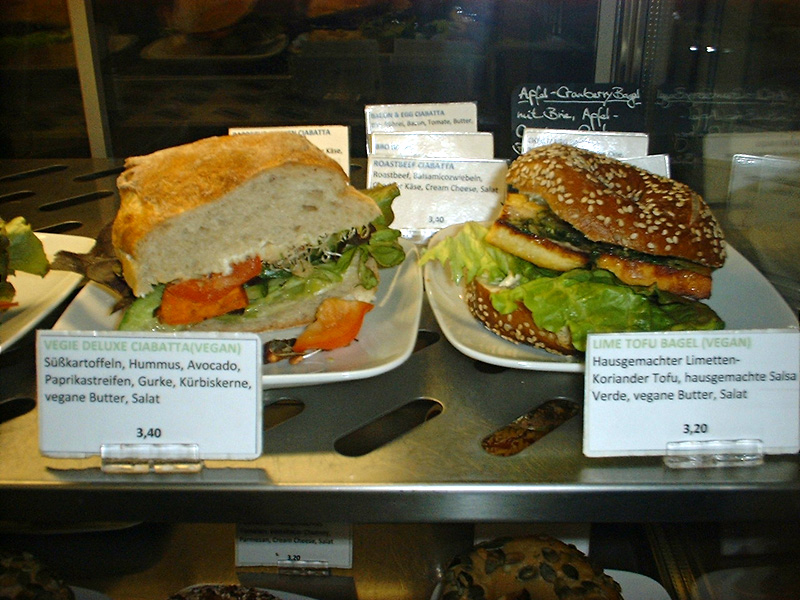
Veggie Goodies - Berlin

Veggie Goodies – Berlin

Veggie Life Saver:

It’s tough keeping out the meat in the Bundesrepublik, but there are some wonderful vegetarian options in that bohemian mecca, Berlin. And many German towns boast Indian restaurants – always a safe bet for food without a face.

Philippines

Feel your heart sink when you your Filipino waiter translates the items on the menu: tapa (cured beef), adobo (chicken/pork in garlic and vinegar), mechado (beef in tomato sauce), kalderata (meat and tomato sauce stew), puchero (beef with bananas in tomato sauce), kare-kare (oxtail, vegetables, peanut sauce)…the list goes on. But at least if you do ask for a vegetarian option, you’ll find most Filipinos will be able to understand and reply “No, sorry Sir/Madam” in perfect English.

Veggie Life Saver:

You can ask for dishes such as pinakbet (kabocha squash, beans, eggplant, okra, and tomato stew with shrimp paste) without the seafood additive. Pancit – a type of noodle – may also be available without meat. But if you’re in a hurry, you’re only option may be french fries from one of the many fast food outlets found across the Philippines!

Portugal

It is no surprise that this proud seafaring nation is rather fond of seafood, making it a tough place for the strict ‘ovo-lacto’ type of vegetarian (eggs and dairy ok, meat and fish not). But the Portuguese also love their meat; here you’ll find all manner of cooked and cured delicacies that once moved on four legs. Even vegetables tend to be cooked in meat-based stock, and the pastries sometimes contain lard.

Veggie Life Saver:

Unless you believe ‘ignorance is bliss’ and just eat whatever your Portuguese hosts call vegetarian, you should make a beeline for specialist veggie establishments, where no meat or fish are processed. There are plenty in the big cities and resorts, but meat-free fare is harder to come by in the countryside

Posted in Travel Advice | Leave a comment

Travel Insurance Stats and Facts – Young Brits Abroad

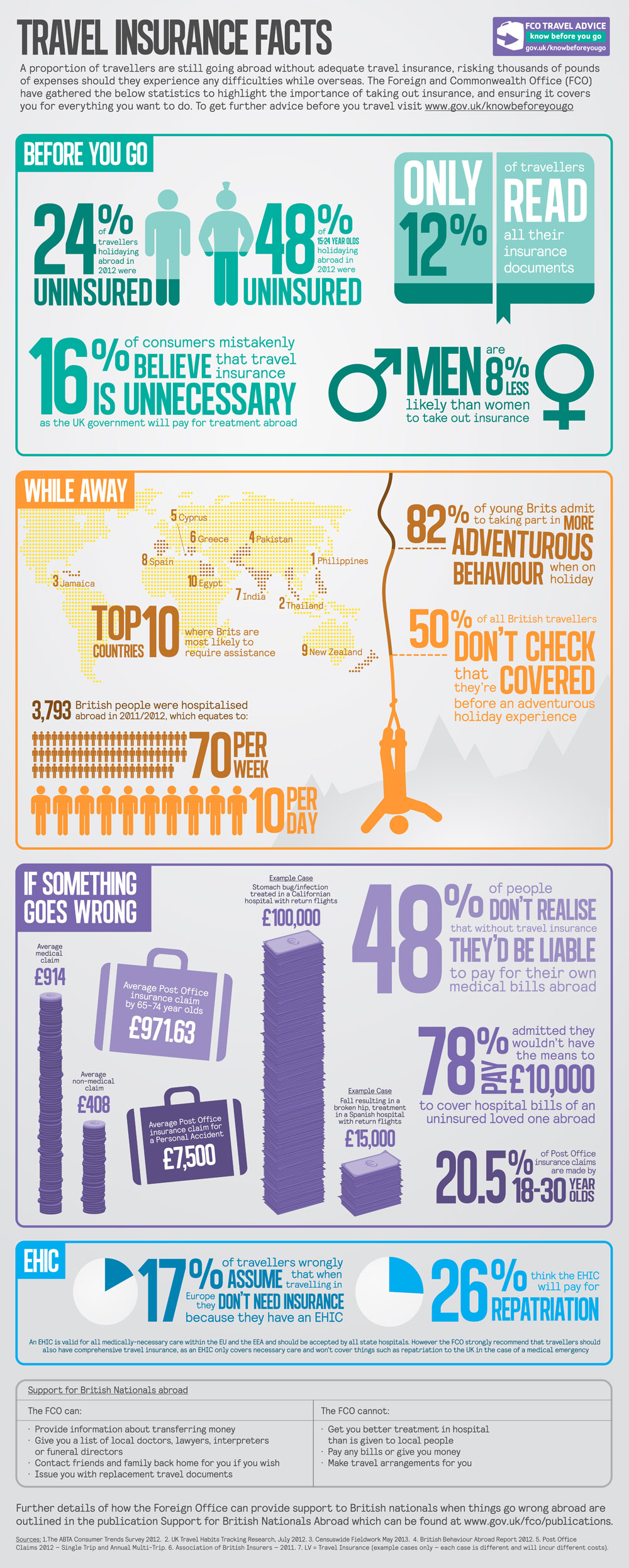
A staggering 48% of 15 to 24 year olds go away on holiday totally uninsured.

This statistic highlights the need for British youngsters to be educated about safe holiday travel, but when you consider that 24% of adults don’t take out insurance either – we wonder where that information is going to come from.

So, what is going wrong?

European Health Insurance Card Myths

Statistics show that misconceptions about the European Health Insurance Card (EHIC) may be to blame. While having a card entitles you to treatment abroad, it only entitles you to essential medical care to the same level as locals in that area.

EHIC will NOT cover repatriation to the UK, it will not cover the cost of an ambulance, and in EU countries where there is no National Health Service, you will be expected to pay what the locals pay to see a medical professional.

As many as 17% of Brits wrongly think that having an EHIC means that they do not need travel insurance. Whereas 26% think that the card covers repatriation to the UK.

The Cost of Accidents Abroad

Last season, nearly 4,000 British holidaymakers were hospitalised abroad. 48% of these people were statistically unlikely to know that they would be responsible for their medical bills, and a further 78% would likely admit that would not have the means to pay the costs of medical care abroad.

As an example, a fall that resulted in a broken hip and missed flights in a popular destination such as Spain could incur a bill of around £15,000. If you don’t have the cash to pay bills like this, it can mean losing precious assets back at home.

Young and foolish?

Last year the tabloids were full of stories about the rise in balcony falls abroad, a mishap that seems to affect the younger generations. In just one summer three young British travellers were killed, and another 10 injured. Whilst these accidents are tragic, we can’t forget the added stress that is caused at such a time if bills in the thousands come rolling in. In fact, the problem has been deemed so bad that the Foreign Office and ABTA (The Travel Association) are part of a campaign to help prevent young people from having accidents on balconies at popular holiday resorts.

Another common accident reported amongst young travellers is on a scooter. Figures released by the Foreign and Commonwealth Office (FCO) states that 82% of British tourists that hire mopeds or scooters are putting their own safety and that of others at risk. Common themes include not wearing a helmet and driving whilst drunk. The stats show that 35% don’t even check their travel insurance (if they have it) to make sure they are covered for scooter hire.

Which brings us on to another trend… the rise in extreme sports and dangerous activities.

Whether it is paragliding, jet skiing, bungee jumping or coasteering, it seems as a nation, we are getting more adventurous when on holiday. Over half of holiday makers don’t check if the travel insurance covers an accident while enjoying a dangerous activity, and even if they found out it didn’t, they would be quite likely to just go ahead and have a go anyway.

What you can do…

The cost of travel insurance is a drop in the ocean compared to footing a hefty medical bill abroad. It can be tailored to provide cover if you think you might want to take art in an extreme sport, and it can be tweaked to meet any aspect of an adventure, whether it is for a week or a year! A family policy can also ensure that the younger generation are covered, whether they know it or not – added peace of mind at a time when you need it most.

Get in touch with our travel insurance experts today to discuss getting travel insurance for the whole family.

For more information about the EHIC and whether or not you need travel insurance when you travel to the EU, visit our previous posts for more information.

What is a European Health Insurance Card

Do I really need travel insurance in EU Countries?

Posted in Safety when travelling, Single Trip Travel Insurance, Travel Advice, Travel Insurance | Leave a comment

Kuching Destination Guide

Grin Like a Kuching Cat in Sarawak’s Jungle Bound Capital

Kuching is the perfect base for exploring the rainforest-covered state of Sarawak in Malaysian Borneo, but is also a fascinating, vibrant city to explore in its own right.

Kuching, Sarawak, Malaysia

Kuching, Sarawak, Malaysia by Peter Gronemann

Both Buddhism and Islam co-exist here, a fact that has seen the construction of many stunning temples and mosques. Don’t miss Tua Pek Kong Temple – the oldest Chinese temple – or the striking Kuching City Mosque, an intriguing mix of mid-western and Italian architecture.

Astana

Translated literally as ‘palace’, this stunning building was built by Charles Brooke – the former governor of Sarawak – for his bride. It’s an ideal place to learn about the ‘White Rajahs’ who once ruled Sarawak. Don’t miss the Orchid Garden.

The Waterfront

Kuching Waterfront is a must – and the perfect spot to enjoy a quintessential South East Asian sunset. Here you’ll also see how the rich Kuchingnites live (property prices here are astronomical), and as such, you can expect to pay a lot more in the restaurants by the water. It is also a popular spot for young lovers.

Square Tower - Kuching Waterfront

Square Tower – Kuching Waterfront by Chipmunk_1

Museums

For museum lovers there is plenty to absorb in Kuching. Try the Sarawak Museum, The Chinese Museum, the Cat Museum (Kuching means ‘cat’ in Malaysian, so feline memorabilia is very popular here) or even the Timber Museum!

Shopping

If you’re looking for a beautiful gift for loved ones back home, Kuching offers a dazzling array of locally made handicrafts and fabrics.

Food

Delicious Malay and Chinese food is found everywhere in Kuching – and eating out a major pastime. If you buy fish from a stall, however, be sure it is heated thoroughly, as your stomach may not be as resilient as those of the locals!

Visiting the Sunday Market is essential if you want to see just how much produce comes out of Sarawak: find colourful displays of fruit, vegetables, fish and honey, alongside such items as potted plants and even pets.

Crocodiles

If you want to get close – but not too close – to some crocs, head along to Jong’s Crocodile Farm, where feeding time is an unforgettable sight.

Jungle Trekking

Tourists often use Kuching as a springboard for one of the many jungle trekking experiences available further east. Sarawak boasts some of the most unspoilt rainforest in the world, where orangutans and a host of exotic creatures can be viewed in their natural surroundings.

Proboscis Monkey

Proboscis Monkey by Peter Gronemann

Bako National Park is nearest Kuching, offering steamy mangrove forests and lots of proboscis monkeys.

Accommodation

There are options for all budgets in Kuching, from hostel dormitories (RM20) to mid-range hotels (around RM90) and of course the usual array of top-end establishments asking for around RM300. However, low season can bring some real bargains, even in the most expensive hotels.

Language

While Malay and Mandarin are widely spoken in Kuching and Sarawak, most Kuchingnites take English as a second language, so being understood here is usually straightforward.

Getting to Kuching

Intrigued by this unique rainforest citadel? It’s the ideal place to spend a few days before embarking on jungle adventures in the east of Sarawak – and is easy to get to from the UK. Most flights from London go through Singapore or Kuala Lumpur and usually take from 17 to 20 hours.

Posted in Longstay Travel Insurance, Single Trip Travel Insurance, The places we've been, Travel Advice | Leave a comment

Med Helper – Recommended Travel App of the Month May 2014

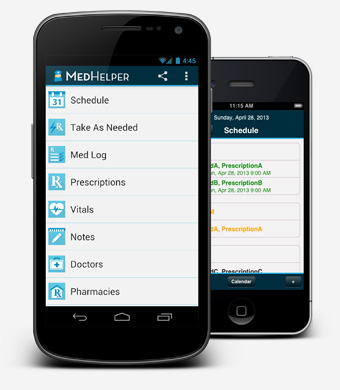
Going on holiday can wreak havoc with routine – great if you are looking to ‘get away from it all’, but not so great if you need to make sure you continue to take prescription medication at your usual time. Med Helper is an app that offers extra value by helping you keep track of what you have taken, and when, perfect when you are in a whole new time zone!


What does Med Helper do?

Med Helper has a range of features that are useful even if you aren’t travelling. Its main features include:

  • A schedule so that you know when you are meant to take which medicine
  • An alarm to remind you to take your medication
  • An inventory so that you know when stocks are running low

What makes it good for travelling with a medical condition?

As well as offering a way to schedule medication times, Med Helper also stores information about your prescription medicines. The prescription list feature contains details about:

  • Medication Name
  • Medication Alias
  • RX Number
  • Instructions
  • Reason for Medication
  • Description
  • Side Effects

In our last blog Taking Medication through Customs – Advice for Travelling with a Medical Condition, there were a number of recommendations to take information about your medication – this app has features that make keeping that information close by easy.

Additional Features

Amongst its many features, Med Helper also stores doctor and pharmacy information, dosage history, allows you to track vitals (such as pulse, weight, HbA1c, glucose, oxygen, blood pressure etc.) to manage symptoms and it has an exportable and printable reports feature.

Med Helper App Reviews

Med Helper is available for Android and iPhones/pads. Android users score Med Helper very highly indeed in online reviews – with M Stimpson stating:

Depend upon this! I forget my meds all the time without this app. It has saved my life literally with the available list of prescriptions, dosages & strengths.”

Other users include words such as Awesome, Brilliant, Simple, Helpful and Lifesaving in their reviews. Overall this app scores 4.3 out of 5 on Google Play.

Download Med Helper for Android: https://play.google.com/store/apps/details?id=com.earthflare.android.medhelper.lite

Unfortunately, the app has not had enough reviews on iTunes to be able to show a rating, but if the Android feedback is anything to go by, it is certainly worth giving it a go.

Download Med Helper for iPhone and iPad

https://itunes.apple.com/gb/app/med-helper-pill-reminder-medication/id438926478?mt=8


For more information, you can visit the Med Helper Website

Bon Voyage!

Posted in Medical Conditions, Safety when travelling, Travel Advice, travel apps | Leave a comment

Advice for Travelling with a Medical Condition

Travelling with a medical condition can bring with it a wealth of complications, from getting travel insurance down to what your fellow travellers should do in case of an emergency. In today’s blog we are going to be focusing on medication, highlighting the best way to take prescription medications through customs.

Although, if you have a medical condition and you are looking to get affordable travel insurance, we can help with that too because our insurance policies are tailored to meet your needs – just visit worldwideinsure.com.

What you should know

Are there any restrictions on the medication you take in the country you plan to visit? If the meds you take are restricted in the country you want to visit, you may have problems taking medication across the border. Ask your doctor for information, or check the relevant embassy websites for details. Another great resource is www.incb.org/incb/index.html

Narcotics and psychotropics are the main medications that are of issue. Morphine and Codeine are common medications in the narcotics class, whereas psychotropics are used to treat a range of illnesses from anxiety and depression to psychotic conditions. Some counties also have issues with the types of drugs used to treat epilepsy and Parkinson’s and even antihistamines that cause drowsiness! What these medications all have in common is their potential to affect the Central Nervous System – but don’t let that stop you checking that your medication is OK to take across a border. The UAE for example consider some non-CNS meds such as contraceptive hormones a breach.

How do you adjust to time zones? Ask your doctor for advice about taking your prescription at the correct time when travelling abroad. If you are just going on a European trip, it may not be an issue, but long haul travel could disrupt your usual routine.

Carry your medication in the original packaging. Many people will say that medication does not need to be in the original container, and that they have taken their tablets through customs with no problems at all. In fact, it is required that meds are in their original packaging, and these people have been lucky. Our advice? Why take the risk? Your medication is vital to your health; take it in the original packing to avoid risk of confiscation. This is especially important if you also need to take hypodermic needles with you. These must be kept with the medication they are for.

Make sure you keep your medication at the right temperature. Some meds need to be stored at a specific temperature. Consider an insulated pouch or flask for transportation.

Did you know? Prescription medicines are exempt from the usual aeroplane restrictions on liquids, aerosols and gels. This exemption also incudes cool packs and storage containers to keep the meds at the right temperature on board.

Only pack what you need, with a few extra. Taking more tablets than you need for the duration of your stay has the potential to cause issues, and many countries impose a 30-day limit on taking pills and potions across the border. Take enough for your holiday, and a few extra in case some get lost.

Take a copy of your prescription or a copy of a doctor’s letter. If you run into trouble at customs, having a doctor’s letter or copy of your prescription is a great backup to prove that your tablets are for you and they are what you say they are! To be totally safe, keep any paperwork you have with your medicine.

Always keep your medication in your carry-on. Having it on you ensures that it won’t go missing even if your luggage does!

Do you know the generic name for your medication? If you run out of medication, or it gets lost or stolen the local doctors and pharmacists may not be familiar with the brand name you know. Make sure you write down the generic name of the drugs you take and this will be easier for overseas medical professionals to recognise.

We hope that this advice has been useful, but remember – your doctor is the best person to ask about taking your prescription medications abroad. We wish you a wonderful trip, wherever you are going, and don’t forget, if you still haven’t sorted your travel insurance, we do great deals for people travelling with an existing medical condition. Just give us a call on 01892 628583 for a quote!

Posted in Medical Conditions, Travel Advice, Travel Insurance | Leave a comment

Top 10 Toys To Make Travelling With Children Easy!

Taking children on holiday, especially if traveling on a long haul flight, can be a testing experience for even the most patient parent and seasoned traveller. Last week we shared our top tips for travelling with children on an aeroplane – this week, we tell you the 10 best toys to take to keep them entertained!

1 Trunki

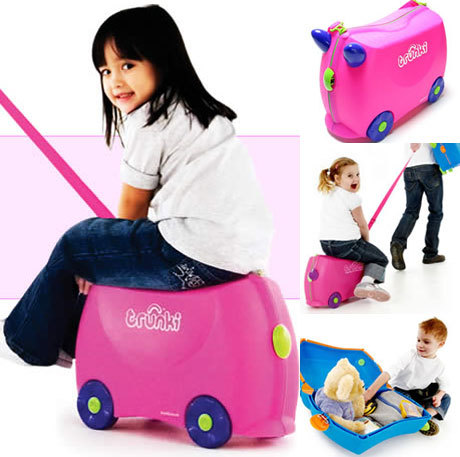
Trunki is a must if you are expecting to be in long queues, or waiting a while in an airport. It is a handy suitcase that doubles up as a ride-on toy, exciting in itself, but also ideal for packing in all the other things in our top 10 list! They retail for around £40 and come in loads of great designs (some cheaper than others). You can buy them (and some other cool travel stuff for kids) on the Trunki website: http://www.trunki.net/Shop/Trunki_Shop

Trunki


2 Stickers

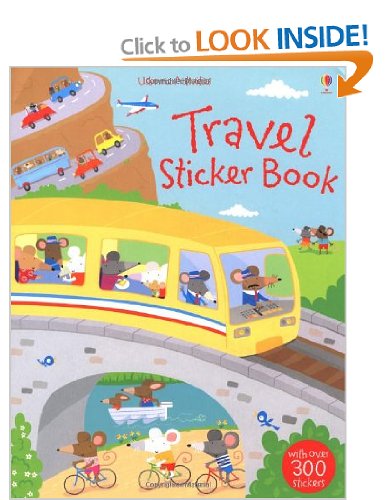
Simple, small, and cost effective entertainment. Sticker packs combined with a scrapbook are an ideal way to spur a child’s imagination, and keep them amused through play. Get creative and inventive with them too, maybe encouraging kids to decorate a finished water bottle as well as create make pictures in a book. Galt do a great travel themed sticker book, complete with 300 stickers, all yours on Amazon for under a fiver!

Galt Travel Sticker Book For Kids


3 Story Cubes

Rory’s Story Cubes are a fantastic way to create an epic story – who knows, one that might even last the length of a long haul flight! Simply roll the dice and weave a tale inspired by the pictures on the dice. You can pick up the starter set for just £9.99, and there are additional sets you can add to the mix too, excellent if you have lots of trips planned! Buy online at: https://www.storycubes.com

4 Travel Games

Travel games are great because they are small, light and easy on the pocket. Classics such as Guess Who? Pop Up Pirate and Connect 4 are available for about £5 each on Amazon.

5 Card Games

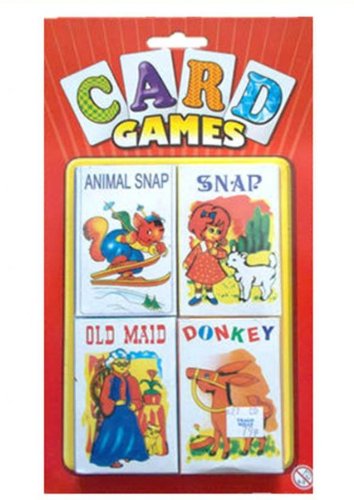
The original travel game? Maybe! Our favourites include classics such as the Snap, Old Maid, and Donkey card game compendium  as well as newer cards games like Uno, and of course Top Trumps! From just £3, you really can’t go wrong with this compact travel classic!

Card Games


6 Colouring Pens

Pens, pencils and a note book. Essential items for endless ways of having fun. Draw a picture, play noughts and crosses, create a guess the picture game, play hangman. It may be a cliché, but the only limit is your imagination. Why not get extra crafty and break out a few origami moves with some pages. You can always take things a little further with this dedicated origami farm book!  Just under £25 from Hobbycraft.

7 iPad or Tablet

Ok, not a cheapie here, but chances are you have a tablet, iPod or smart phone to which you can download videos, games and apps. There are obviously kerbillions of kids’ favourites out there, but we think that The Very Hungry Caterpillar™ & Friends – Play & Explore app is too cute to not get, and it is only £2.49 to download.

The Very Hungry Caterpillar App

Quick note about aeroplane etiquette…

Please offer your child headphones, or turn the sound off. If there is anything worse than the noise a toddler having a tantrum makes, it is the repetitive sounds of an electronic game!

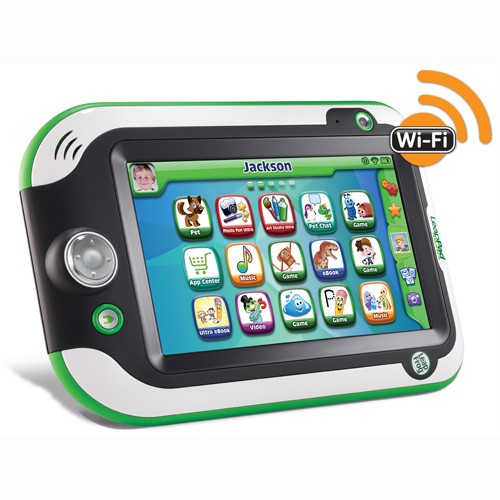
8 LeapFrog LeapPad

If you are reluctant to give a tantrumming toddler your very expensive mobile device, then a dedicated kiddie gadget is the perfect solution. LeapFrog are well established as a brand that produces gadgets that meet the rough and tumble of feisty children, and the games are specifically designed to entertain and educate – not just deliver a five minute distraction. A bit of a hefty investment at around £50, but it has plenty of life in it outside of travelling as well. Buy online from leapfrog 

Leappad Ultra


9 Good old-fashioned books

While iPads, iPods and mobile devices may woo the young traveller, you can’t beat a good old-fashioned children’s book. Obviously, pack a favourite, but also take along a couple of new treats. You’ll get more time to relax if the little ones are engrossed in something new! Why not try Where’s Wally – The Ultimate Travel Collection? It is sure to take up some journey time!

10 I Spy With My Little Eye… Games that need no supplies!

It’s free, it’s fun and it can take a while. As well as I Spy, you can chuck in the Shopping List Game (I went to the shop and bought a….), ABC Game – take it in turns to name something from a theme (food, dogs, names) to match the letter of the alphabet (Apple, Banana, Carrot…), Would You Rather…? Ask questions that will elicit a laugh such as “Would you rather cuddle a slug or a snail?”. Games that need no supplies are obviously cheap, and take up no room when it comes to packing. However, a mere £3.84 on the book, Kids Games To Play While Travelling  will fuel many hours of fun wherever you are in the world!

Posted in Fun, Travel Advice, travel apps, Travel Shopping | Leave a comment

Kids on a Plane! Tips for Travelling with Children

Get your holiday off to the best start possible with our essential tips for travelling with children on an aeroplane.

From babes in arms to toddlers prone to a tantrum, travelling with children in the confined space of an aeroplane can present a wealth of problems that parents, and passengers, would rather not face in the run up to a holiday. Luckily we are on hand to tell you our top tips for keeping those little tykes entertained on board.

Book the right flight

Does your child sleep through anything, or is he or she easily disturbed during slumber? Make sure you choose a flight that fits in with when they are happiest, or most at rest. Even if it costs a little extra, it will be worth every penny.

Forget airport etiquette

Waiting at the airport is the perfect time to get your child to let off steam, use up energy and explore the exciting airport environment. Find an empty(ish) area where you won’t be disturbing others if possible, and try not to let the little ones fall asleep while waiting.

Get a good seat

A comfy child is a happy child. On most flights, children under two fly free, but they will not have a seat. If this is the option you have chosen, it is well worth enquiring about any empty seats that may be available on the plane. This is more likely at off-peak travel times. The safer and more comfortable way to fly is to spend out on an extra seat and bring along an FAA-approved car seat. Check with the airline beforehand for any restrictions, for example, some airlines do not allow rear-facing car seats.


The Number One Tip For Parents? AVOID SUGARY TREATS!

Choose packets of dried fruit, savoury snacks such as crisps and cheese, and if you must turn to sweets, make sure they are sugar free. Sweets might work in the short term, but the fallout from refined sugar won’t be welcomed by fellow travellers!


Plan your time in 15 minute slots

Once on board, you need some serious tactics to get you through the flight. By diving the flight time into 15 minute activity slots, you have more chance of keeping your child amused. OK, this is not going to work with a baby, but it is pretty effective for toddlers. Ideas:

  • Story books
  • Colouring books
  • Board games
  • Card games
  • Small tasty snacks (they take a while to eat)
  • Drawing games
  • Sticker books
  • Finger puppets
  • Fuzzy felt

Take a portable DVD player or mobile device

The wonder of 21st Century technology is that we can download apps, games and films that will keep tired and potentially tantrummy youngsters amused, even if it is just for another 15 minute slot!

Make sure you have your own survival kit

Your kids may not care about anything other than toys and treats, but if they spill a drink and need a change of clothes you’ll soon know about it. Apart from packing a liberal change of outfits, you’d also be wise to pack additional food you know they’ll like, a few favourite toys, spare nappies, wipes, a blanket in case they get cold and even a surprise toy or two.

While we are not promoting bribery, in times of extreme need, a well-timed treat isn’t all that bad. Pulling a brand new, and even wrapped up cuddly toy out of your bag might well be just what you (and fellow passengers) need to get a few moments peace!

Top Toys To Make Traveling Easy?

If you want to know which toys make traveling with children easy, you’ll have to tune in next week! We’ll be showcasing 10 tried and tested favourites, with tips on which traditional toys to take along and advice on where to buy ‘new-fangled’ gadgetry that will guarantee some peace and quiet!

Posted in Fun, Travel Advice | Leave a comment

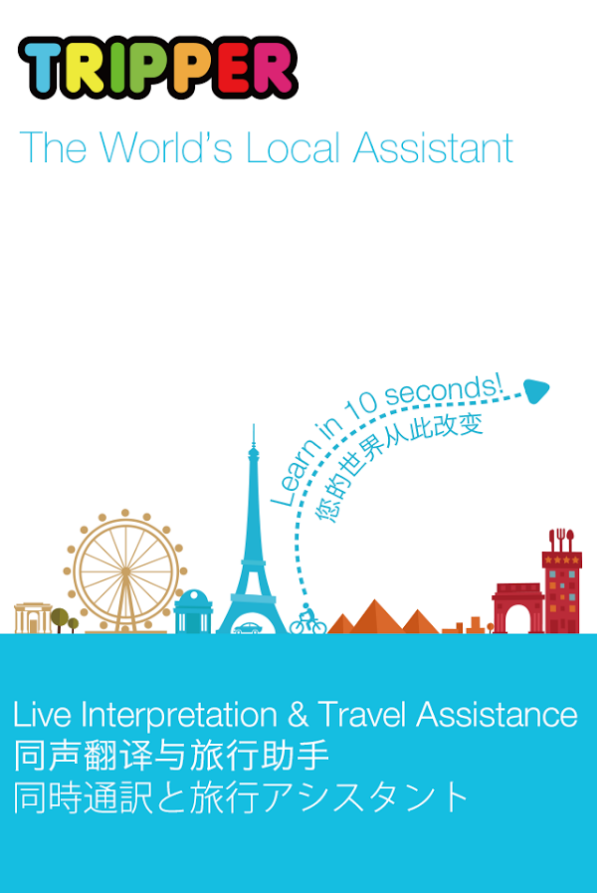
Tripper App Review – Travel App of the Month April 2014

Tripper App Review – Travel App of the Month April 2014

As much as we love technology, we can’t help but feel that sometimes what we really need is a holiday helper – a real person we can pop in our pocket and pull out when we get in a muddle.

Well, guess what… this concept really exists! Meet Tripper, the app that provides you with live help at the push of a button!

Tripper App

Tripper App Highlights

If you’re travelling to China or Japan on your holidays, Tripper is the must-have accessory for your trip.  Tripper connects you instantly to a live English-speaking personal assistant on the end of the phone who can coach you on issues related to interpretation and translation.

  • Tripper services are available 24/7
  • No pre-planning required
  • Tripper app connects predominantly via 3G and Wi-Fi
  • There are no hidden costs to incur


Ultimately, Tripper saves you a lot of stress, confusion, and embarrassment!


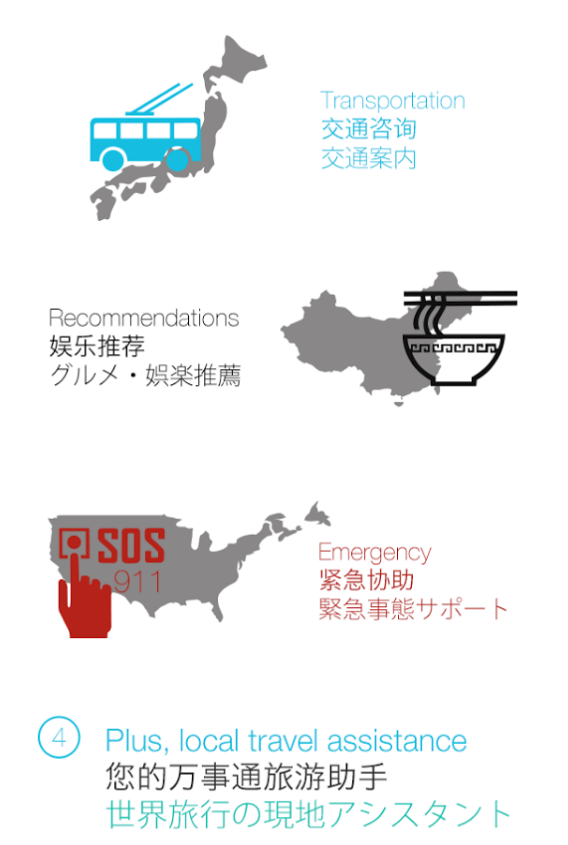
As well as the use of these fantastic services, there are added benefits to the Tripper app too! Tripper’s super-smart team of translators are also provided with all the best local knowledge and up-to-date information about (amongst many things):

  • Transportation
  • Emergencies
  • Entertainment
  • Food
  • Best local hotel deals

The in-app internet connection also allows for the exchange of photos and GPS to and from Tripper, making information easier to access and share.

Tripper App Travel Assistance

Free Help 24/7! What’s Not To Love About Tripper?

Not all of us can entertain the luxury of a personal assistant abroad, so the introduction of Tripper has been revolutionary! Tripper is the essential app item to have on-hand when you’re travelling through China or Japan, because nothing is more daunting than being in a foreign country and having to cope with an unexpected situation without knowing the language.

Free, accessible help and advice in seconds – what’s not to love? Try Tripper for yourself and relieve yourself of the language and location stress a holiday often brings. Happy travels!

Download for Android and Apple at http://www.trip-per.com


Posted in Travel Advice, travel apps | Leave a comment

Travel Advice For Volunteers Abroad

Travel Advice For Volunteers Abroad

For some of us, a holiday is a treat that we can’t always justify, but luckily there’s a solution to the moral dilemma of sunning it abroad – volunteering! Offering your help to those in another country is a fantastic way to explore new places, experience a different way of life, and give a helping hand to those a little less fortunate than yourself. If you’re thinking of taking a volunteering trip, here are some handy bits of advice to get you on your way.

Make sure you’re immunised


Wherever it is you’re looking to jet off to, you’ll need to make sure you have ample protection against any diseases that might be catchable while you’re there. Check out our comprehensive guide to getting yourself vaccinated.

Check your locations


It’s important to be as clued-up as possible when it comes to travelling, so be sure to check the conditions of where you’re staying. Depending on the weather, you’ll want to pack a certain selection of clothing to suit, and you might want to check variables such as the terrain and the daylight hours to figure out what sort of footwear would be appropriate, and whether you’ll need to bring additional items such as a visor or a torch, depending on when you’re working.

Consider your role


Are you volunteering as a teacher? Building houses in the jungle? Rescuing sea animals? Think about what you’re doing and what you’ll need – most likely, some comfortable clothing that you don’t mind getting ruined! Remember to make sure all of your shoes are broken in, you have plenty of plasters and the like, and don’t bother packing your nail varnish!

Be prepared


You’ll need to keep a savvy head when working abroad, so make sure you’re organised. Bring a plastic wallet or something similar to store your documents in a safe, dry place, and make sure you have all of the phone numbers and information you could need when you’re away. If you’re planning on using your phone, contact your provider to arrange a suitable plan that will cover the costs of your calls and texts back home.

Don’t put yourself at risk


Taking your time to volunteer is a good deed, and you don’t have to feel pressured into doing anything you aren’t comfortable with. Make sure you keep yourself clean and address any wounds in a proper manner, be mindful of the food and drink you’re consuming, and feel free to say NO to anything you think puts you in danger. If you’ve taken all of the precautionary steps prior to travelling, and follow your head when you’re away, you shouldn’t have any problems – but it’s a good idea to take out some travel insurance to cover any costs that come from the unexpected.

From all of us here at Worldwide Insure, we wish you a happy and safe trip!

Posted in Longstay Travel Insurance, Travel Advice, Travel Insurance | Leave a comment

20 Essential Travel Tips You Need To Know

There is an art to travelling well, and it can take a lifetime to learn all the tips and tricks that make traversing this planet a little easier. To help you out, we have gathered together the top 20 tips that will make travelling a total cinch.


1. Don’t fold your clothes, roll them – this prevents creasing and it also means you can fit more in because you pack more tightly.

2. Hide some cash – an empty lip balm stick is a great place as it is unlikely to be stolen should you get mugged.

3. Pick up maps as soon as you arrive at the airport or station – free maps are available at most terminals and stations – pick them up while you can , you’ll need them later!

Lost in Times Square by Kevin Dooley

Lost in Times Square by Kevin Dooley

4. Scan and email important documents – having electronic copies of passports, travel insurance documents, tickets and travel plans in your inbox will make life a lot easier if you lose the originals.

5. Learn language basics – “yes”, “no”, “hello”, “goodbye”, “please” and “thank you”, little words that will get you a long way when you are abroad – it pays to be polite wherever you go.

6. Pack a needle and thread – with limited belongings, it is good to be able to mend a wardrobe malfunction.

7. Tell your bank you are going away – sometimes banks will block a UK card if it is being used abroad in case it has been stolen. Not very helpful if it hasn’t and you are trying to pay for food, transport or accommodation!

8. Wear warm socks on the plane – cosy toes make it easier to sleep, and air con on aeroplanes means that cold tootsies are guaranteed.

9. Pack plastic bags for dirty clothes – this will keep your clean clothes fresher for longer, and make unpacking easier.

10. Take hand sanitizer and baby wipes – this will mean that you can keep clean if you find that you are delayed on your journey in a place that has questionable facilities.

11. Call your phone network provider before you leave – you may want to make sure you can call and text abroad, you’ll also want to know how much that might cost. Beware of roaming data use – this can cost more than a holiday itself if you aren’t careful!

12. Take tissues – works wonders for a snotty nose, but ultra useful should you find you are sans toilet roll.

13. Pack ear plugs and an eye mask – you will be grateful if you need to squeeze in some sleep after delays or during a long journey on public transport.

14. Get travel insurance even if you are only travelling within the EU – relying on your European Health Insurance Card is not enough, find out why you really need travel insurance in EU countries, then to go to the best place on the planet to get travel insurance (from us of course!).

15. Pack spares in your hand luggage – make sure you have essential toiletries and a change of clothes, if your luggage gets lost you will be most glad.

16. Take a first aid kit – painkillers, tummy settlers, plasters and antiseptic, whatever you know you might need to help you feel better if you get ill, or keep you in one piece until you find medical help.

17. Think about safe sex and sanitary needs – some countries don’t sell tampons, so ladies, pack some just in case; and it should go without saying that condoms should be a firm fixture in your wash bag whether you intend on indulging in carnal delights or not.

18. Avoid jetlag – stay awake until it gets dark on the first day. Your body clock will adjust better if you are out in the daylight when you arrive, and you avoid taking a nap during the first day.

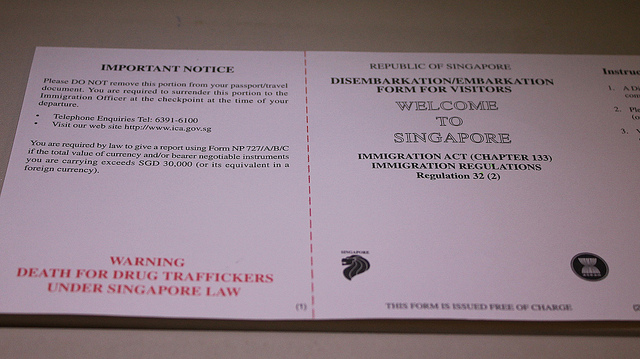
19. Brush up on local laws and etiquette before you leave – with the world wide web at your disposal there is no excuse for not knowing the local laws and customs of where you are going. Ignorance could end up costing you a lot if you don’t!

Laying down the law of the land by Kristina D.C. Hoeppner

Laying down the law of the land by Kristina D.C. Hoeppner

20. Check your passport a few weeks before you travel – there is nothing worse than finding out the day before you travel that your passport has expired. Believe me, I know!

Posted in Safety when travelling, Single Trip Travel Insurance, Travel Advice, Travel Insurance | Leave a comment