Travelling off the beaten path? Avoid these common travel insurance mistakes!

Whether you like to visit unusual destinations, remote parts of the world, or places regarded as hot-spots for dark tourism, you need to pay extra attention to the validity of your travel insurance. We highlight key considerations so you know what to ask your provider to ensure you have adequate cover.

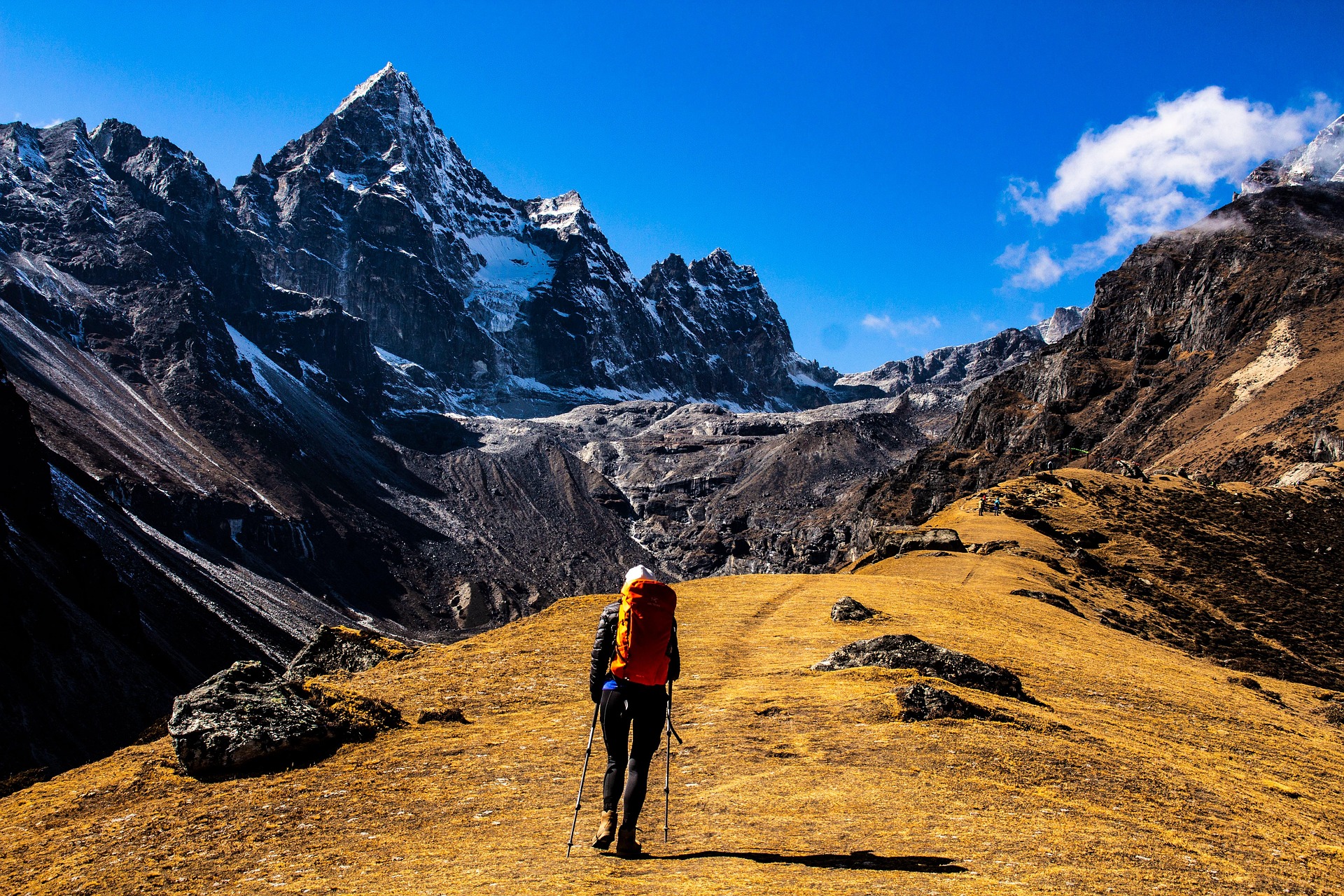
image of hiker out Everest

CC0 via pixabay

Travel insurance for destinations with FCDO travel warnings

The UK Government issues foreign travel advice for destinations worldwide. Some destinations come with environmental warnings, such as risk of landslides or earthquakes, social warnings such as crime, and political warnings such as civil unrest or war. Depending on the severity of risk the location will show as one of the following three:

  1. No Advice Against Travel (Safe to Travel) – Normal risk-levels where the usual precautions should be taken. Make sure you get adequate travel insurance.
  2. Advice Against All but Essential Travel – There are known serious risks to safety, only go if the trip is critical for business or there is a family emergency. Be warned: Travelling against this advice will typically invalidate standard travel insurance.
  3. Advice Against All Travel – The threat to your safety and security is unacceptably high. If you choose to travel expect a total invalidation of your travel insurance policy and accept that access to consular assistance will be either non-existent or very limited.

Travel insurance for remote areas

There are a number of risks that you need to be aware of when travelling to remote regions. Being aware of them means you can make decisions to mitigate risk or accept that there are some situations where help will not be readily available. You must declare these risks to your travel insurance provider.

Remote locations usually have limited emergency access. Know beforehand what is and isn’t available where you are going and pack supplies and equipment to keep you safe and well.

Rural emergency response times abroad can be very slow. Check how many hours, or even days you may be away from medical assistance if required. It’s all well and good getting a rabies shot, but if you are more than 2 days away from a hospital, you won’t get the help you need in time.

Lack of reliable communication could affect your trip, especially if your trip does not go to plan. Again, knowing the risks ahead of time can make a big difference to your safety. Let people know your itinerary so help can be sent if comms fail and you don’t return when expected. Do not rely on online or digital maps!
Isolated areas can make you more exposed to threats from other people such as assault or theft, or attacks from wild animals.

Travel predictability of remote locations raises risk of missed connections and tours, or not getting to pre-booked accommodation.

Good to know: Standard travel insurance can provide cover for medical assistance, repatriation, stolen belongings, missed connections and costs incurred should something not go to plan. Make sure you speak to your insurance provider about your specific itinerary so they can find the right cover for your needs.

Travel insurance for high risk activities

If you are on an adventure trip where the risk is higher than your typical getaway, the usual solution is to get specialist travel insurance that provides cover for the activities you have planned. High risk activities can cover a multitude of things from off-piste skiing to hiking the Sahara desert. The other options for hard-to-insure activities is to accept that you will be uninsured should anything happen.

Destinations where the environmental risk is high, such as entering radiation zones or places with extreme weather exposure require specialist cover, or are put down as an exclusion.

Travel insurance for adventure-style activities such as mountaineering, skiing, scuba diving, abseiling, white water rafting etc. is often part of a standard policy but there are likely to be restrictions or endorsements to ensure you are covered should anything go wrong. You must declare the activities you plan to do to make sure the level of cover is understood.

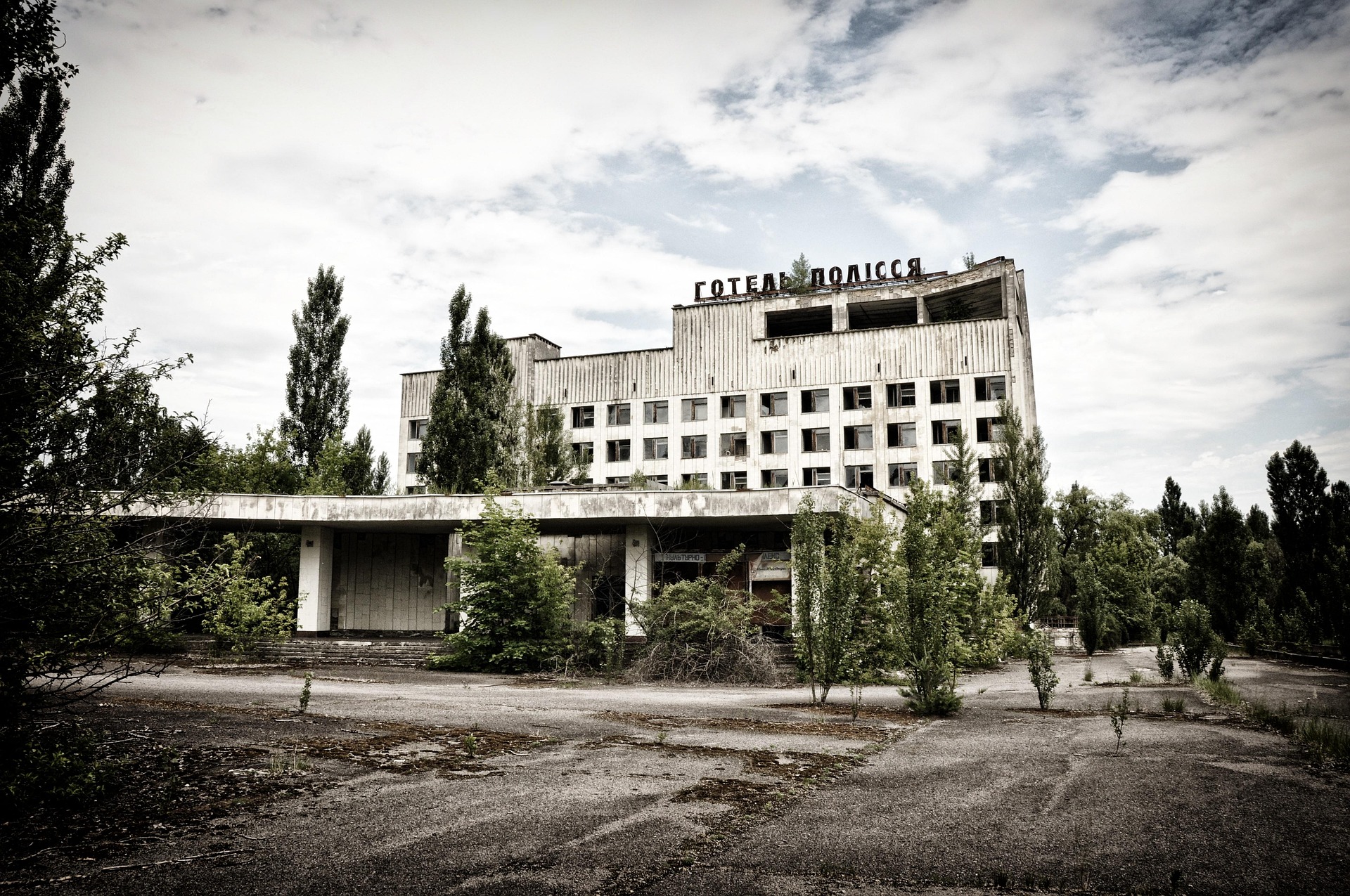
Visiting unstable ruins or abandoned buildings should only be under the supervision of an insured, licensed tour operator. It is an error to assume that abandoned sites have permitted access, and tours operated by unofficial or unlicensed tour guides are not covered by travel insurance. Remember: Unlicensed or Illegal access = no cover

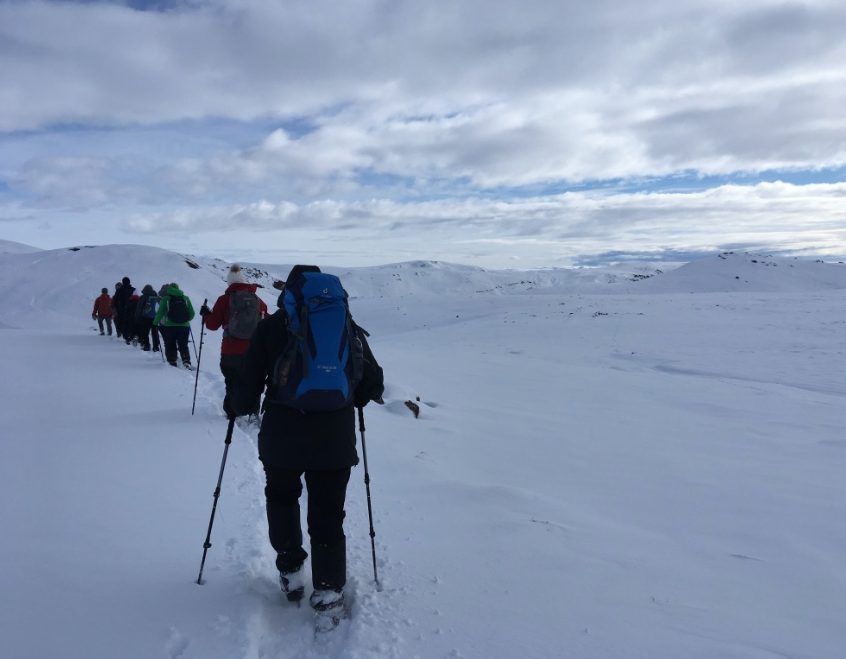
backpacking Iceland travel insurance Image © 43kcreative.com

Image © 43kcreative.com

Activities that will typically invalidate your travel insurance

Even if you’ve disclosed your itinerary in great detail with your travel insurance provider, you could still be at risk of invalidating your insurance – here are some of the most common things people do without realising the consequences:

  • Assuming abandoned sites allow access
  • Going off-route from guided tours or permitted areas
  • Partaking in undeclared adventure-style activities
  • Urban exploration in abandoned, restricted, or unsafe areas
  • Going on unofficial or unlicensed tours
  • Visiting politically sensitive regions

Get Adventure Travel Insurance Today – No Fuss Instant Quote!

Get an instant online travel insurance quote or call us on 01892833338 to get the cover you need in case the unexpected happens on your next adventure.

Posted in Travel Advice, Travel Insurance | Comments Off on Travelling off the beaten path? Avoid these common travel insurance mistakes!

Responsible Dark Tourism – What you need to know before you go

Education, authenticity, and a deep emotional experience – these are the key factors that draw independent intrepid travellers to lesser-known destinations for an alternative adventure holiday. We take a look at how you can make sure your trip is ethical, respectful, and safe; as well as showcase some key locations accessible from the UK.

CC0 via pixabay

Dark tourism, the antithesis to a beach-front all inclusive

Dark tourism encompasses more than just going on a day-trip on holiday. Typically it is a way of experiencing another culture and location, well away from “holidaymakers” and the comfort of a package deal from the likes of Jet2.

It is for the curious, seasoned traveller who has a thirst for deeper knowledge of some of the more uncomfortable truths about the destinations we go to. Sites connected to historical conflicts, disasters, and tragedy rank highly, as do places currently associated with hardships and upheaval. It is not about voyeurism or sensationalism, it is about learning, understanding and experiencing history first-hand.

Is dark tourism safe?

It can be as safe as any other holiday, after all you need to be mindful of environmental hazards and activities in locations wherever you go. Dark tourism however is more likely to be associated with higher risks due to the extreme nature of some of these sites.

Here’s what to look out for:

Remote locations – there may be limited help or accessibility in case of an emergency e.g The Aral Sea Ship Graveyard in Kazakhstan/Uzbekistan

Environmental risks – we’re thinking exposure to radiation and other hazards at dark tourist sites e.g. Chernobyl Exclusion Zone, Ukraine

Structural hazards – exploring abandoned buildings and unstable ruins is a VERY high risk activity even if it’s not in a  remote location e.g. Beelitz-Heilstätten, an abandoned WWII-era military sanatorium near Berlin

Political sensitivity – border regions and areas of instability of ongoing conflict e.g. sites of attacks in Israel and Palestine

Check out the FCDO travel warnings for your destination ahead of when you go, and bear in mind that some areas and activities will not be covered by travel insurance as they are deemed unsafe to visit.

How to have an ethical trip

Having a high degree of cultural sensitivity, self-awareness, and decent level of “spidey-sense” goes a long way when ensuring a dark tourist trip remains ethical.

Here’s what to consider:

  • Go for the education and understanding
  • Sensationalism should never be part of your agenda
  • Respect photography rules
  • Learn the local etiquette
  • Respect local customs
  • Consider the impact you are having on the local community
  • Do not trespass, and stay well within permitted areas
  • Hire a local licensed tour guide
  • Do not remove artefacts
  • Leave no trace of your visit

These ethical tips don’t just relate to a clear conscience – they also impact the validity of an insurance claim. Illegal activity whether that is trespassing, or not adhering to local customs can invalidate a claim. Incidents on tours by unlicensed guides would also not be covered.

CC0 via pixabay

Dark tourism mistakes you don’t want to make

Your safety is paramount, especially in remote and exotic locations. By following the advice above, you can definitely minimise the risk associated with Dark Tourism, but to be on the safe side, consider these mistakes that you don’t want to make!

  • Assuming abandoned sites are accessible for sightseeing – they may be prohibited
  • Going off-route from guided tours
  • Underestimating rural emergency response times abroad
  • Not declaring adventure-style activities to your travel insurance provider
  • Booking unofficial or unlicensed tours
  • Not sharing your agenda with friends, family and accommodation providers
  • Failing to memorise the local emergency number
  • Letting your mobile battery drain
  • Not taking essential supplies on remote trips
  • Neglecting to research specific safety advice for your destination

Ready for an adventure? Dark Tourist Hotspots from the UK

Now you know the risks and what to consider for an ethical trip, you probably want to know where all the dark adventure seekers go. Here are some top destinations:

Abandoned & Urbex

Beelitz-Heilstätten WWII military sanatorium, Berlin – former military hospital with regular guided tours.

The Aral Sea Ship Graveyard in Kazakhstan/Uzbekistan – a remote and desolate desert location makes guided tours essential for exploring.

Nuclear & Disaster

Chernobyl Exclusion Zone, Ukraine – tours are temporarily closed due to the ongoing conflict. It is not recommended to travel there at this time, but the tour operator is hoping to resume tours once it is safe to do so.

Ground Zero, New York, USA – a free memorial and heritage site dedicated to those who lost their lives on 9/11.

War & Genocide

The Tuol Sleng Genocide Museum, Phnom Penh, Cambodia – interrogation and detention centre of the Khmer Rouge open daily for tours.

Auschwitz, Poland – memorial site open daily with numerous tour options and operators.

Paranormal & Occult

Catacombs, Paris, France – make sure you take an official tour to see the remains of over six million Parisians though. Entering the 1.5 km maze of tunnels 20 meters beneath the city unguided is not recommended.

The Witch House, Salem, Massachusetts, USA – there are guided tours of the last standing structure related to the witch trials. The nearby Peabody Museum is home to a huge collection of authentic 1692 Salem Witch Trials material.

Travel Insurance for Dark Tourism Adventures

Make sure you know what cover you have before you travel – get a tailored quote to fit your adventure visit us online or call us on 01892833338.

Posted in Destination Guide, Safety when travelling, Travel Advice | Comments Off on Responsible Dark Tourism – What you need to know before you go

Mexico – A Colourful Journey That Didn’t Quite Deliver

A multi-stop adventure through Mexico promised vibrant culture, rich history, and unforgettable food. From the buzzing capital to charming Oaxaca and the beachy shores of Tulum, this was a trip filled with contrasts, surprises, and a few underwhelming moments. While there were definite highlights, it’s fair to say this wasn’t quite the love story we expected.
Mexico City Image via Pixabay cc0

cc0


Why Mexico?

Mexico had been on the list for a while, mainly for its deep-rooted history, ancient civilisations, and diverse landscapes. From pyramids and colonial towns to jungle cenotes, it seemed like the perfect mix of culture and adventure.

But in reality, it felt a bit like the American version of Spain, a popular, easy getaway that’s heavily geared towards tourism. And coming all the way from the UK, it didn’t quite feel worth the long journey.

Where We Stayed In Mexico

This trip was split across three very different destinations:

Mexico City

We stayed at Hotel Milan in Roma Norte – a lively, central area that made getting around easy with Uber. The city itself felt safe overall, but the contrast was striking. One moment you’re in a polished neighbourhood, and just streets away, you’re faced with visible poverty, particularly near public hospital areas.

Oaxaca
We stayed at Diaza Rooms in the city centre. This was easily our favourite base: simple, well-located, and full of character. Everything felt walkable, local, and much more authentic.

Tulum
We stayed in an Airbnb in Tulum Centro. While comfortable, the area itself felt very tourist-focused, with a strong American influence.

Luche Libre masks Mexico © Simran Kabotra

© Simran Kabotra

Things To Do In Mexico

Mexico offers a huge variety of experiences, though some stood out far more than others:

Lucha Libre – A Must-Do in Mexico City
This was easily one of the best experiences of the trip. The atmosphere inside Arena México was electric – dramatic wrestling, theatrical performances, and a crowd that fully commits to the chaos. Buying a mask and getting involved made it even better.

Anthropology Museum (Plan Ahead!)
This museum is huge! Without a guide or a clear plan, it becomes exhausting very quickly. There’s a lot to learn, but you need to be selective, otherwise it can feel overwhelming rather than enjoyable.

Oaxaca Square on NYE
Spending New Year’s Eve in the Zócalo was a highlight. The square is filled with locals celebrating, waving sparklers, and enjoying live music. It felt intimate and festive,  although the loud firework-style explosions might not suit everyone.

Árbol del Tule & Hierve el Agua
The Árbol del Tule is an incredible natural landmark – enormous and ancient. But Hierve el Agua was the real standout. The rock formations look like frozen waterfalls, and the natural pools overlooking the valley make it a surreal place to swim and relax.

Tulum cenotes
Tulum itself is pleasant but very touristy, feeling heavily tailored to American visitors and lacking some of the authenticity found elsewhere. That said, the cenotes completely made this part of the trip.

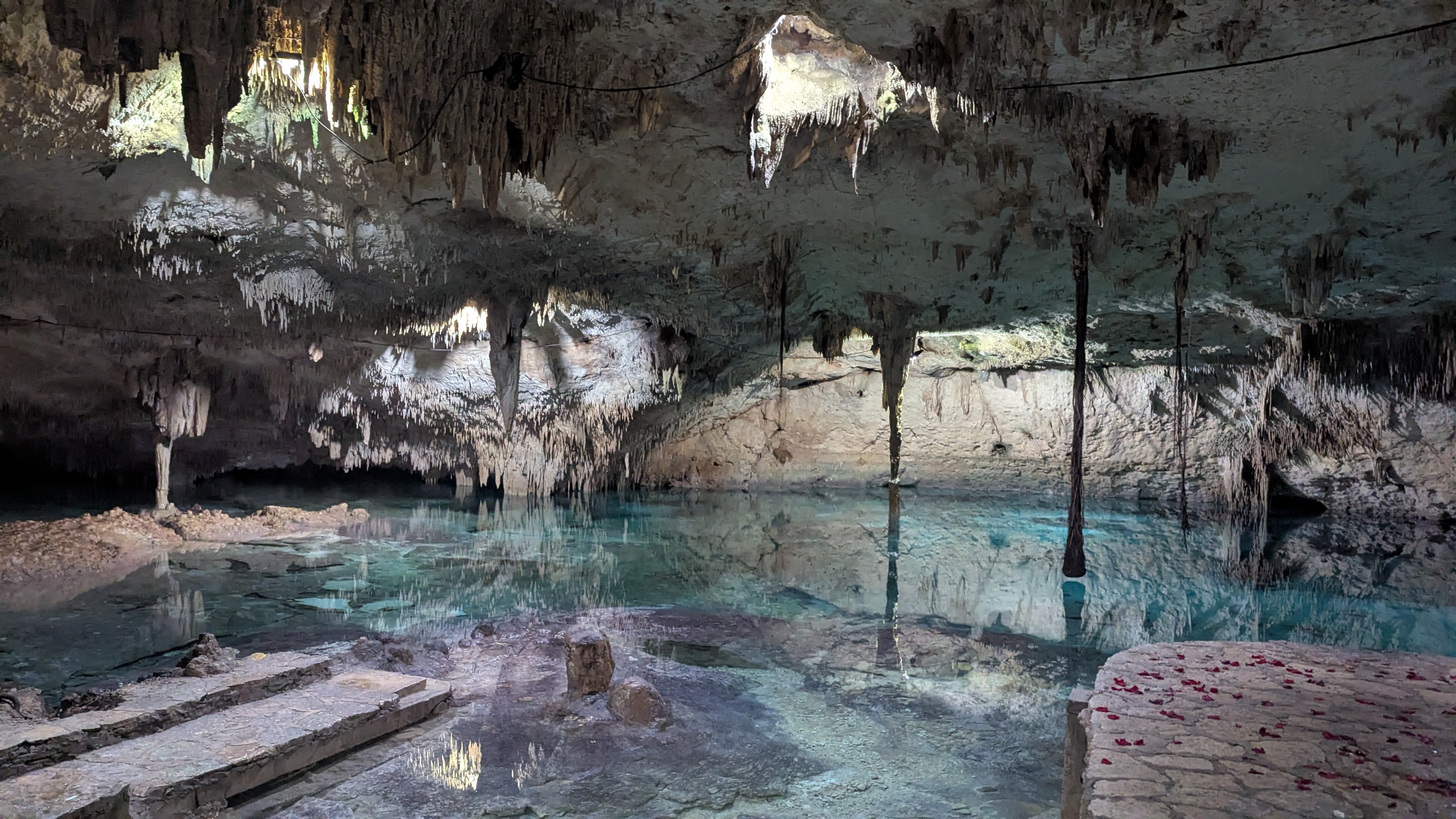
Aktun Bej and Taak Bi Ha were our favourites. Both felt like hidden gems, tucked away from the crowds. Aktun Bej, set inside a cave, was peaceful and atmospheric, while Taak Bi Ha offered that same underground magic with fewer people and crystal-clear water. Swimming in these quiet, otherworldly spaces was easily one of the most memorable parts of the trip.

Taak Bi Ha Cenote Mexico © Simran Kabotra

© Simran Kabotra

What We Ate In Mexico

Let’s talk about the food because this is where expectations didn’t quite match reality.

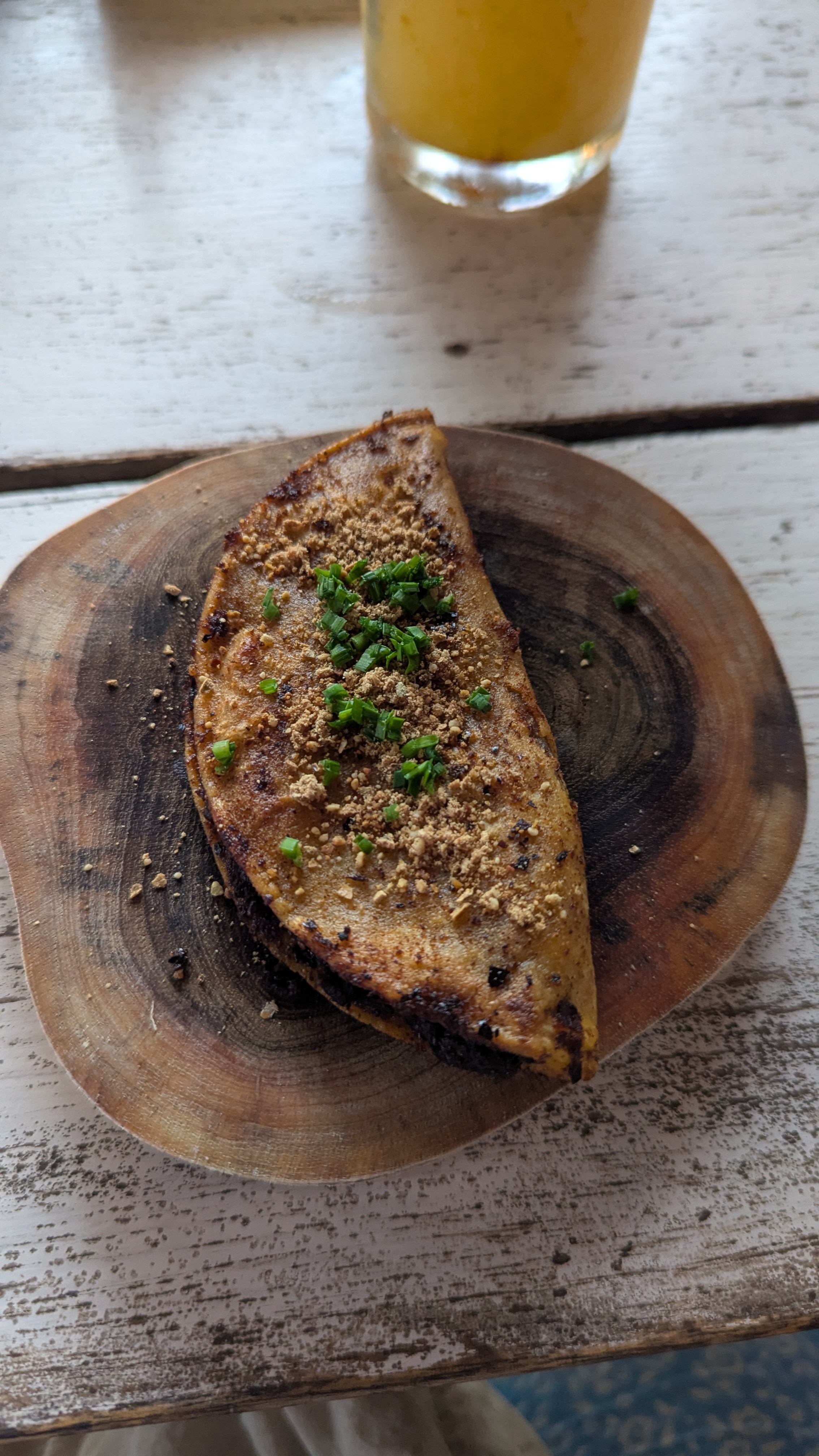
Mexico is known for its cuisine, but we found it surprisingly repetitive. Many dishes relied heavily on maize-based flavours, which felt quite earthy and heavy. After a few days, it became difficult to enjoy meals as much as we’d hoped.

Oaxaca did offer a slightly better experience, especially in local markets like Mercado 20 de Noviembre, where the atmosphere added to the enjoyment. But overall, the food wasn’t a highlight for us.

Mexican food image

What To Love (And Not To Love) About Mexico

What to love:

  • The history is fascinating. From ancient civilisations to cultural traditions, there’s a strong sense of heritage throughout the country.
  • The cenotes are truly unique and a definite highlight,unlike anything you’ll find in Europe.
  • Oaxaca stands out as a destination full of charm, authenticity, and culture.

What not to love:

  • The food didn’t live up to expectations for us – flavours felt repetitive over time.
  • Mexico City was underwhelming overall, with only a few standout experiences.
  • Tulum and Cancun felt overly touristy and catered heavily to Americans.
  • And most importantly – the distance. From the UK, it’s a long trip for a destination that didn’t fully deliver.

Would I Go To Mexico Again?

Probably not from the UK.

While there were some amazing moments – Oaxaca, the cenotes, and Lucha Libre – the overall experience didn’t quite justify the long-haul journey.

However, if you’re already travelling around the Americas, it’s definitely worth considering. There are unique experiences here that you won’t find elsewhere. For us, though, it’s a one-time visit – memorable in parts, but not somewhere we’d rush back to.


Travel Writer Bio

Simran Kabotra is a writer, avid reader & crocheter who loves travel. She has travelled across Southeast Asia and is currently searching high and low for new adventures, beautiful landscapes and rich history.

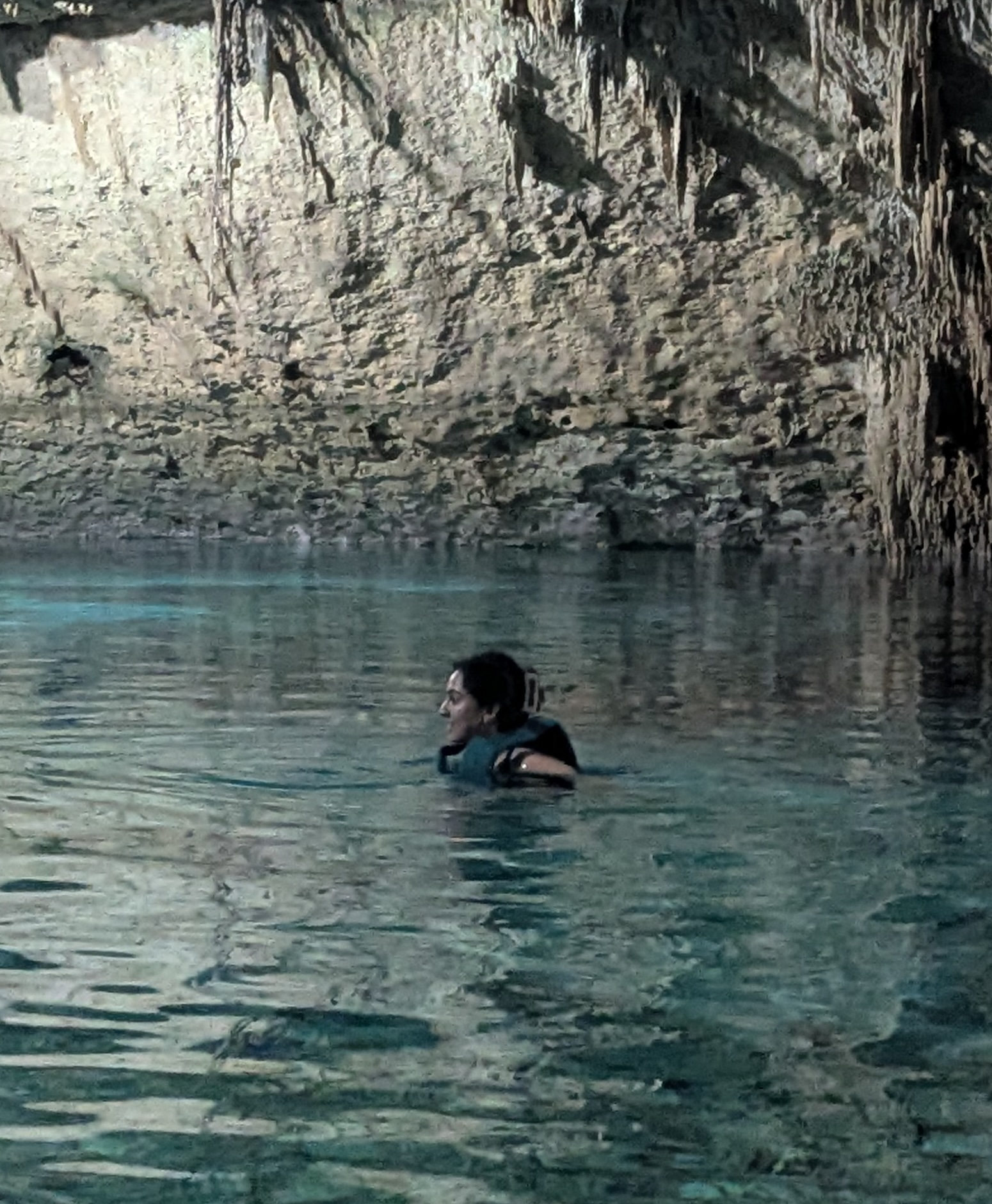
Simran Kabotra swimming in Taak Bi Ha Cenote

Simran swimming in Taak Bi Ha Cenote


Worldwide Travel Insurance for Total Peace of Mind

Get an online travel insurance quote now or call us on 01892833338 to make sure you’ve got the cover you need.

Posted in Destination Guide, The places we've been | Comments Off on Mexico – A Colourful Journey That Didn’t Quite Deliver

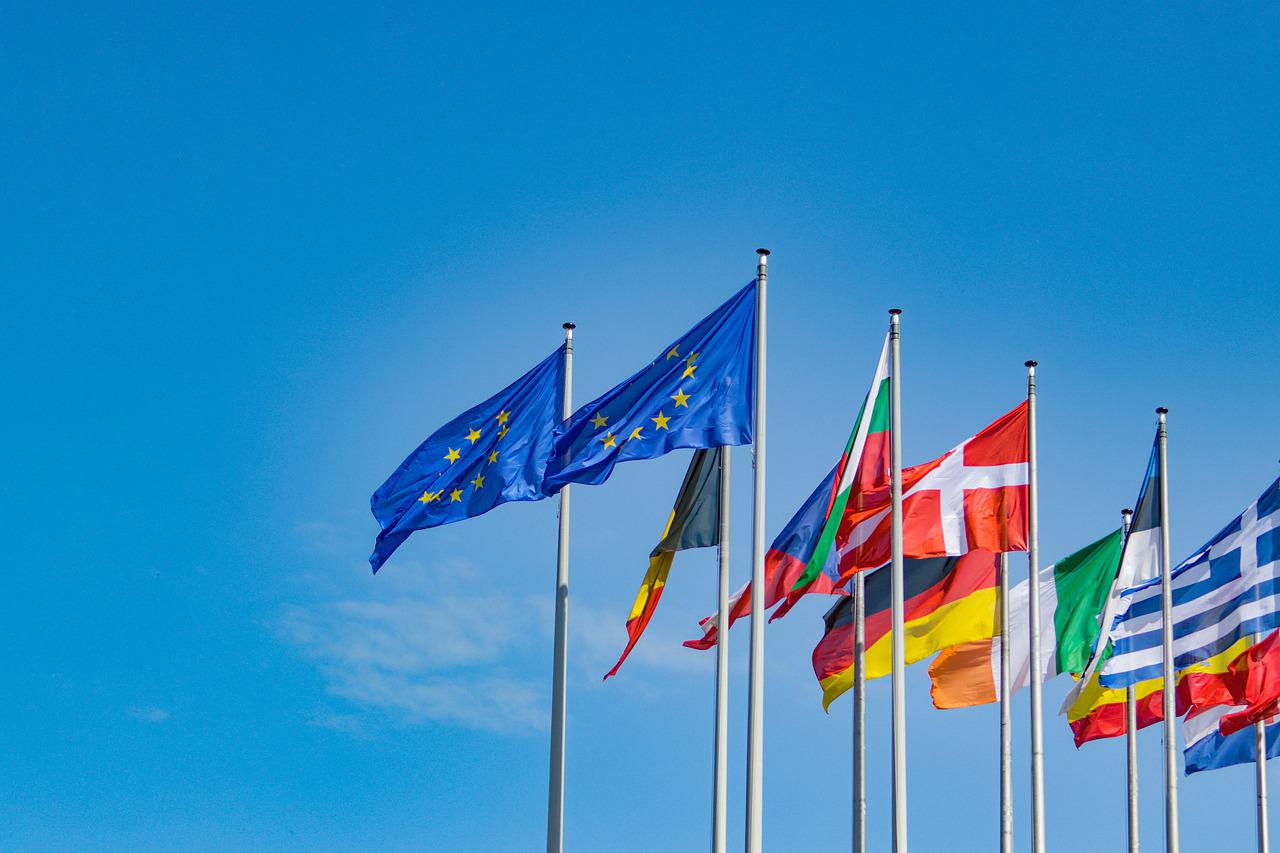
Biometrics and Travelling to Europe – Could It Affect Your Holiday Plans?

With new rules in place, travel to and from the EU for British holidaymakers is set to change – and it could cause more disruption than you’ve bargained for. We take a look at how the The EU Entry/Exit System (EES) could impact your travel plans, and whether you can do anything ahead of time to minimise disruption to your upcoming holiday.

GHIC travel insurance image

Image by Dusan_Cvetanovic CC0

What is the EU Entry/Exit System?

It is a new form of border security that uses biometric data (photo and fingerprints) to keep track of non-EU nationals visiting any EU country in the Schengen area. It has been designed to replace having a passport stamped on entry and exit, but it has added levels of security to ensure that anyone entering provides information about where they will stay and that they can afford to be in the country.

Digitising this process also means that border forces can keep tabs on people going over the 90 day rolling limit. You can read about it in great detail on the .gov website.

How will the EU Entry/Exit System affect me?

The new system has been phased in since October last year, with the official “switch on date” being 10th April this year.

Just a few weeks on and it is clear that the phasing in did not go as planned, with many border controls still not having sufficient equipment to process travellers yet to register their biometrics. Ones that are already established have also faced technical difficulties with the software adding to the delays.

This means that more people than expected need to still register as they enter the EU, causing significant delays at border controls, and instances where these delays have caused people to miss their flights. Even with additional time planned in for the delays, travellers are still experiencing huge queues both to get into the EU and to exit again.

Once I’ve completed biometric registration is it guaranteed that the EES won’t cause me further delays?

Sadly not. Travellers have reported that border control at many entry and exit points does not have a separate queue for those who have already registered. So while you might well save a few minutes because you don’t need to provide the information, you could very likely be stuck behind many passengers who are yet to register.

How to reduce the risk of delays ahead of the busy holiday season.

The European Commission has acknowledged that the new system is having a negative impact on travel, and to help ease delays at certain borders it has said it will temporarily suspend checks at extremely busy times over the upcoming holidays. But there are some things that you can do that may help – or not – depending on whether various border controls sort a separate queuing system out for those who have already registered.

1: See if you are exempt from EES requirements. There are some people who will not need to register their biometrics, knowing that you don’t have to could ease holiday anxieties.

2: See if your departure point completes the biometric registration before you arrive in the EU – doing it this side could mean you avoid delays on entry to the EU.

3: Download the EES app and register as much as you can in the run-up to your holiday.

4: Consider taking a day trip via Eurostar, Eurotunnel, or by Ferry just to get the biometrics done. The process is slightly different for these types of entry in the EU, there are special kiosks where passengers can add their biometric information before travel, and in some cases the requirement is deemed discretionary.

Good to know before you go:

  • Children under 12 only need to register their photo, no fingerprints are required
  • If you are on a cruise that stops at EU ports but starts and finishes outside the Schengen area, you will not need to use the EES.
  • Your reasons for travel – such as for study or work could mean that you do not need to use EES – see the full list of exemptions.
  • Your information is held for 3 years, so once it is done, that’s it for a while!

Anything else you should know about EES?

There is a wealth of information out there – check out the official EU EES website, or go straight to their FAQs!

Get EU Travel Insurance Today – No Fuss Instant Quote!

Get an instant online quote or call us on 01892833338 to get the cover you need in case the unexpected happens on your next trip to the EU!

Posted in Travel Advice, Travel Tips | Comments Off on Biometrics and Travelling to Europe – Could It Affect Your Holiday Plans?

Riu Palace Hotel Boa Vista: Sun, Sea, Sand… and Shigella?

Of late the tabloid press has been awash with horror stories of a shigella outbreak tearing its way though some of the Riu hotels in Cape Verde, with a firm focus on the islands of Sal and Boa Vista. With a family holiday on the horizon, we were of course concerned – this is what we experienced when we got there… plus some advice on how to avoid getting ill while you are there!

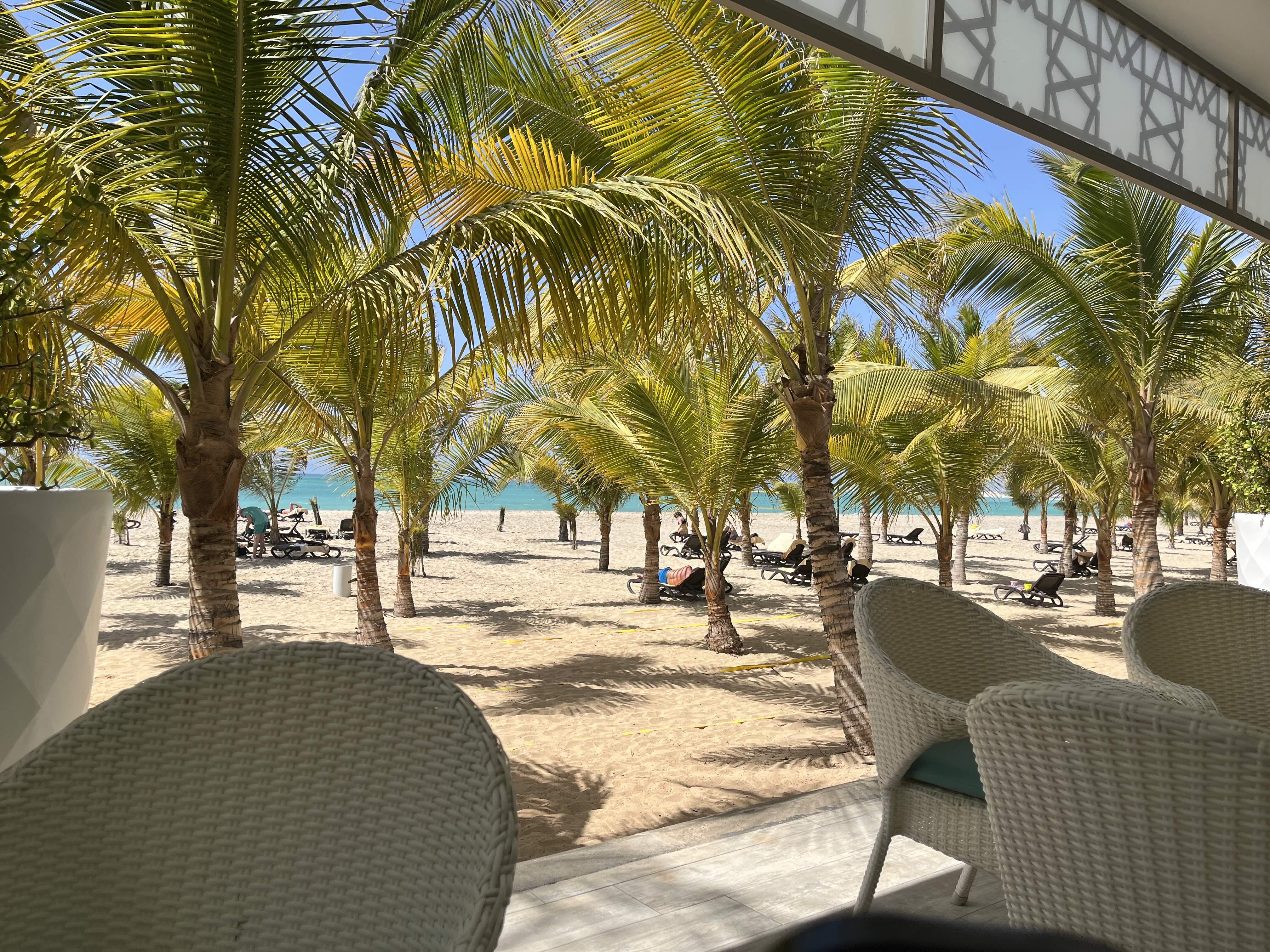
beach bar boa vista cape verde image

Beach Bar at Riu Palace © Kerry McCarthy

Staying at Riu Palace 

I must start by saying that from the moment we arrived, I felt all of my worries about one of our party getting ill melt away. Riu Palace Boa Vista’s 5-star status is well justified. And spoiler alert – none of our party got ill. 

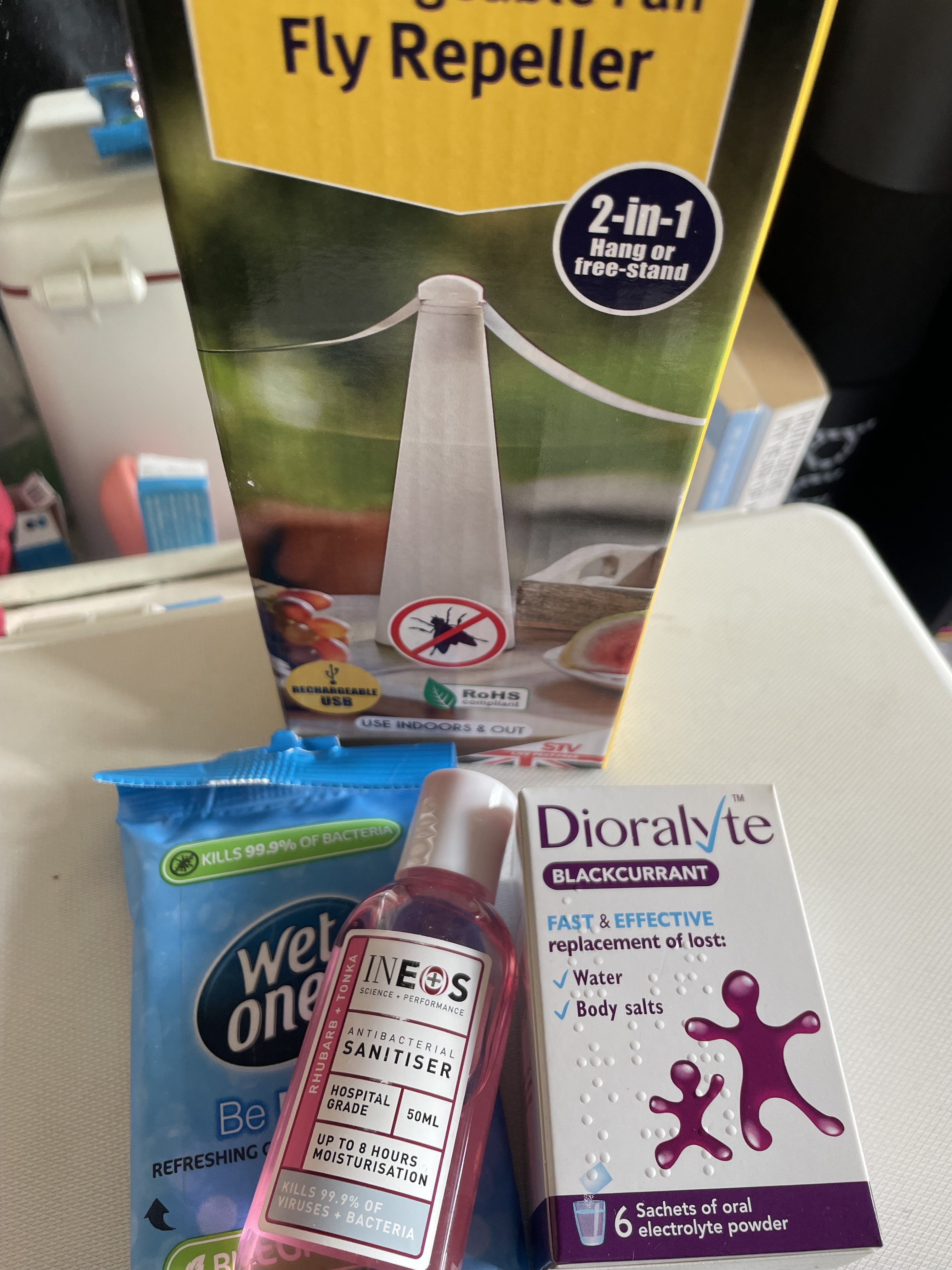
We did go in well informed and well prepared though, whether it would have been a different story without our fly fans for the dining table and our hospital grade sanitiser, who knows? I do think the hotel did everything in their control to minimise the risks for guests though. 

There is a whole section below dedicated to the Shigella risk, but first I want to share the high points of our choice of holiday!

Why we chose this holiday destination

We wanted a hot sunny break where we could focus on being together as a family and relax at the same time. Cape Verde is a pretty predictable sunny 25 degrees (plus) all year round and Boa Vista in particular is known as a place to go if you just want to relax to the max.

We were 6 adults and 1 child in total, making the most of the all-inclusive vibe with a variety of activities to choose from.

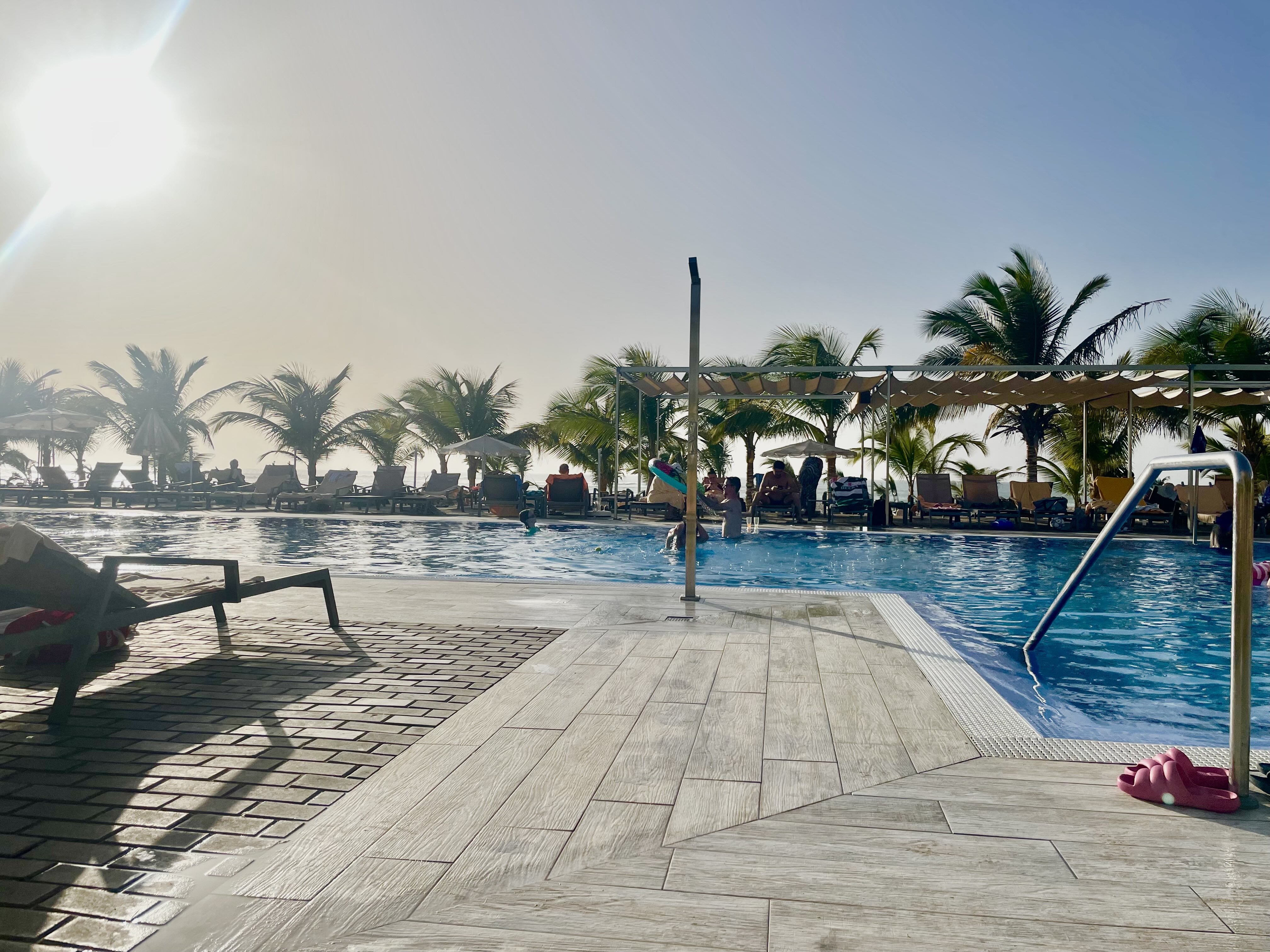
pool at riu palace boa vista cape verde image

One of three pools to choose form at Riu Palace © Kerry McCarthy

Facilities and things to do at Riu Palace

Boa Vista translates as Beautiful View, and if all you decide to do on your holiday is sit on the beach under a palm tree and stare out to sea you’d be a very happy bunny indeed! 

As it is, Riu Palace is a large complex with plenty going on, and you could certainly be here for a couple of weeks and not get bored!

  • Swimming pools – 3 in total, two with swim-up bars, plenty of space to splash, loads of loungers with parasols, and wonderful views of the beach from them all.
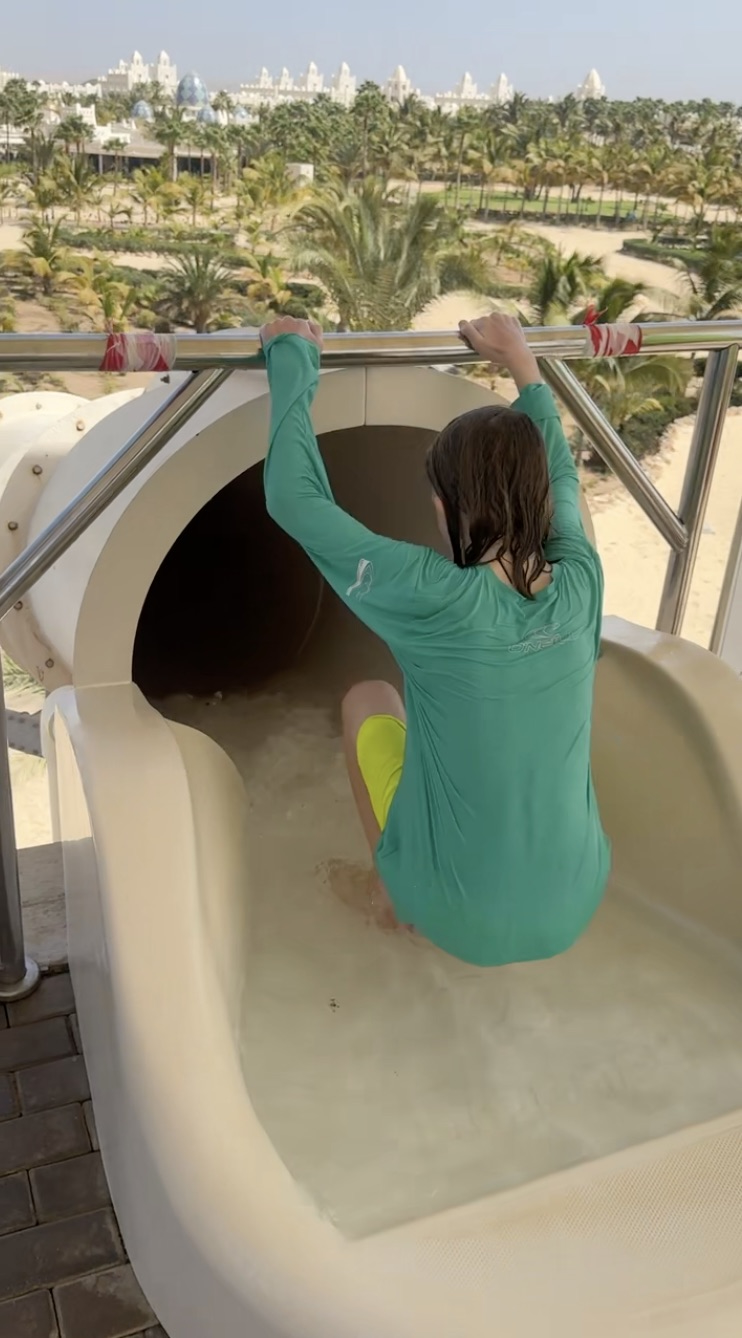
  • Water park – this was actually in the next hotel along, the adults only option, Riu Karamboa. The two hotels are connected down by the beach and access is easy and the slides were a LOT of fun for kids and adults alike.
  • Water sports – the hotel offers snorkels and kayaks to guests for free, but the time of year might dictate what you can do. In February the sea was really quite rough.
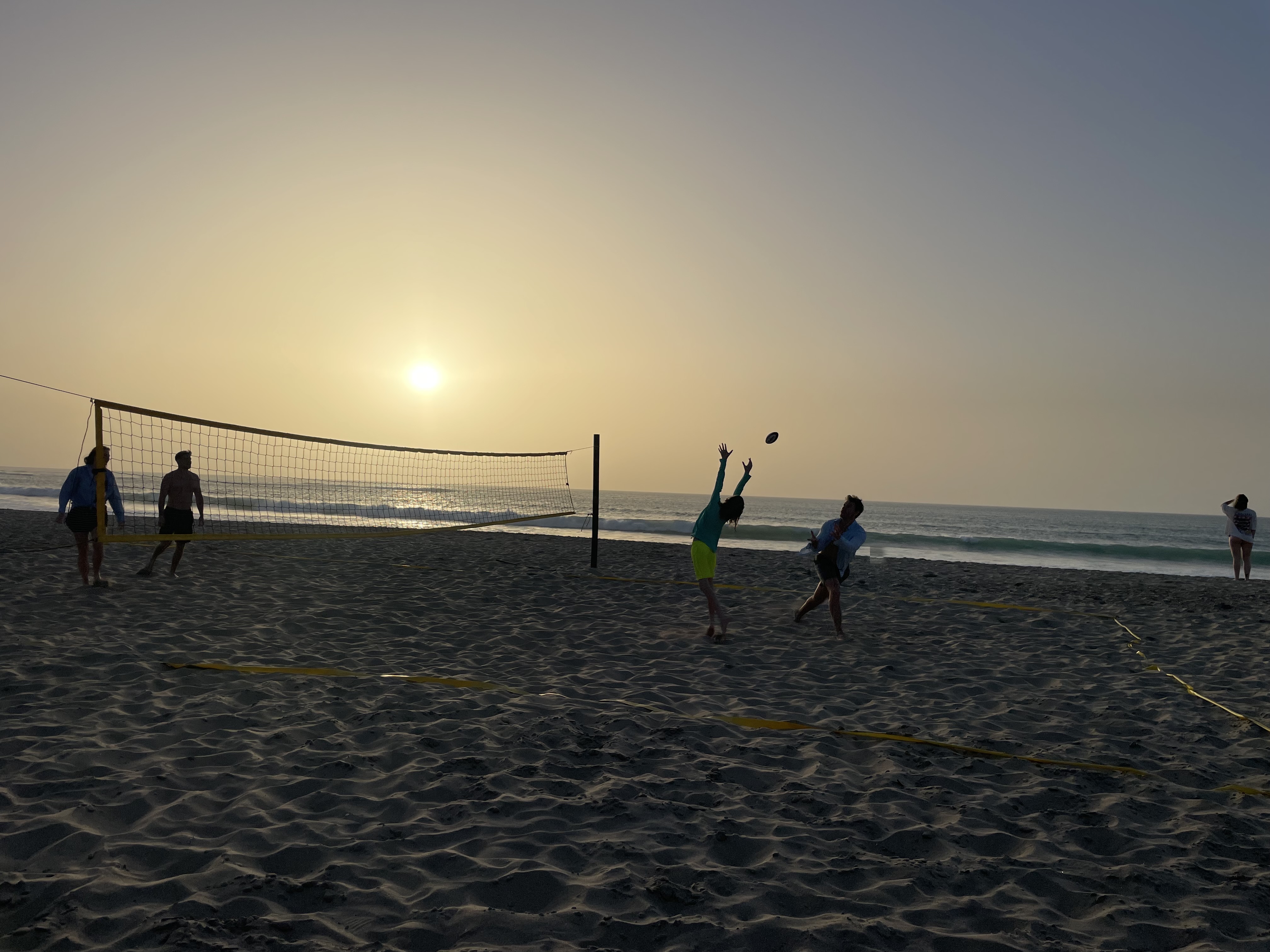
  • Beach games – volley ball and other beach-based games were available to guests
volleyball boa vistacape verde image

Volleyball on the beach © Kerry McCarthy

  • Activity classes for adults – yoga, zumba, HIIT and other gym class staples were held daily down by the beach.
  • Activities for kids – one pool was very activity focussed for the kids, and there were also kids club facilities.
  • Spa – a serene space for a massage and numerous beauty treatments available. I had a massage which was DELIGHTFUL!
  • Gym – really quite well equipped with bikes, free-weights, benches, and a couple of weights machines.
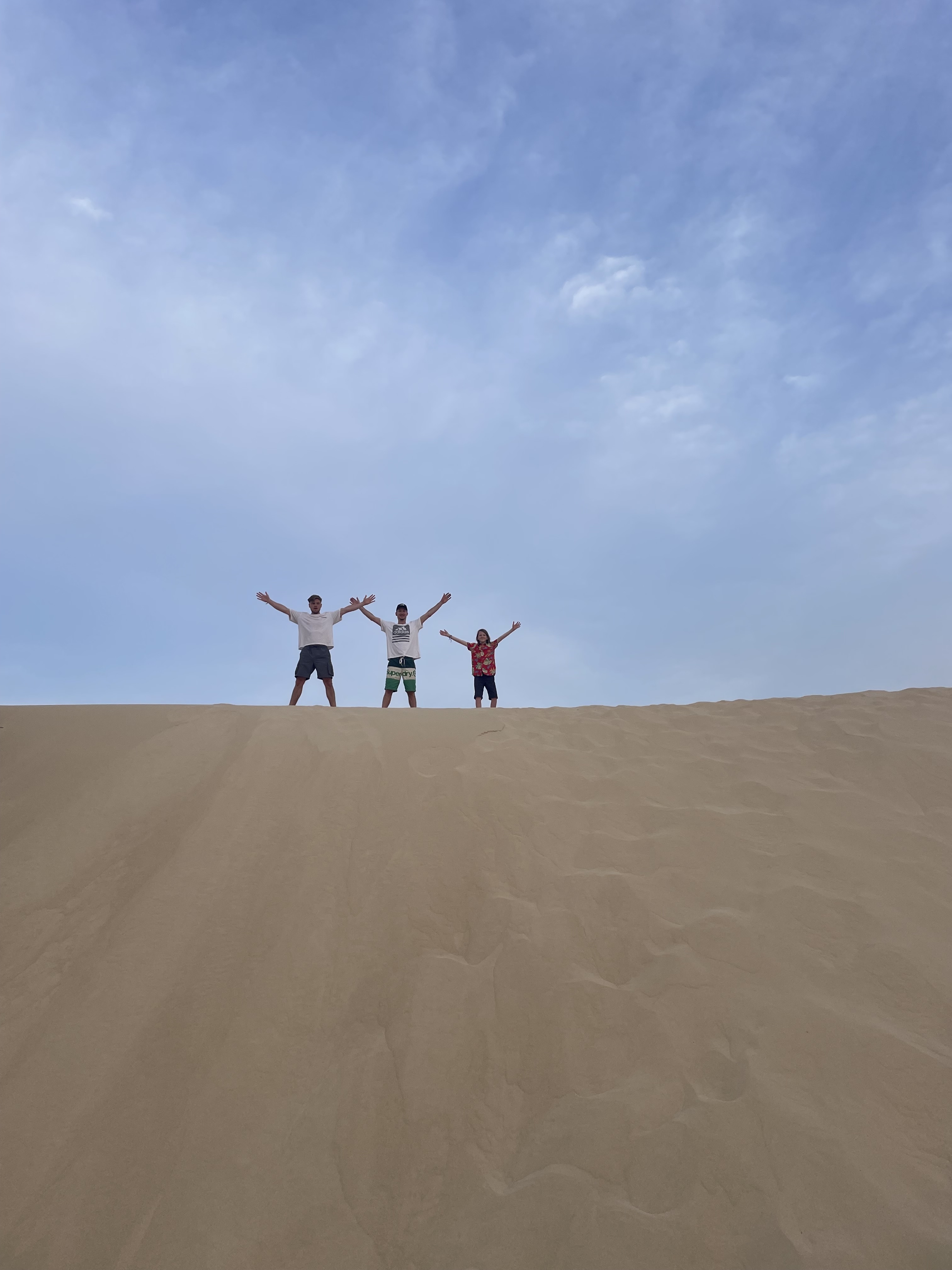
sand dunes boa vista cape verde image

Sand Dunes in Boa Vista © Kerry McCarthy

  • Entertainment – evening shows, cabaret, and access to “nightclub” experiences at the hotel next door.  
  • Retail therapy – the shop has a stunning selection of locally crafted trinkets, ornaments and jewellery, plus holiday clothes and gifts to take home.
  • Excursions – explore the sand dunes, go on a boat trip, visit local towns, hire quad bikes… plenty on offer daily if you book early!
water park boa vista cape verde image

Water Park with a view at neighbouring Karramboa Hotel © Kerry McCarthy

Food and Drink at Riu Palace Boa Vista

The quality of the cocktails seemed to vary by staff member, but there was certainly a wide selection of tipples to choose from and plenty of well-known alcohol brands to choose from!

The wine in our humble opinions was nothing to write home about and we wouldn’t ordinarily class ourselves as having a particularly well-educated palate! Avoid if you know your vino!

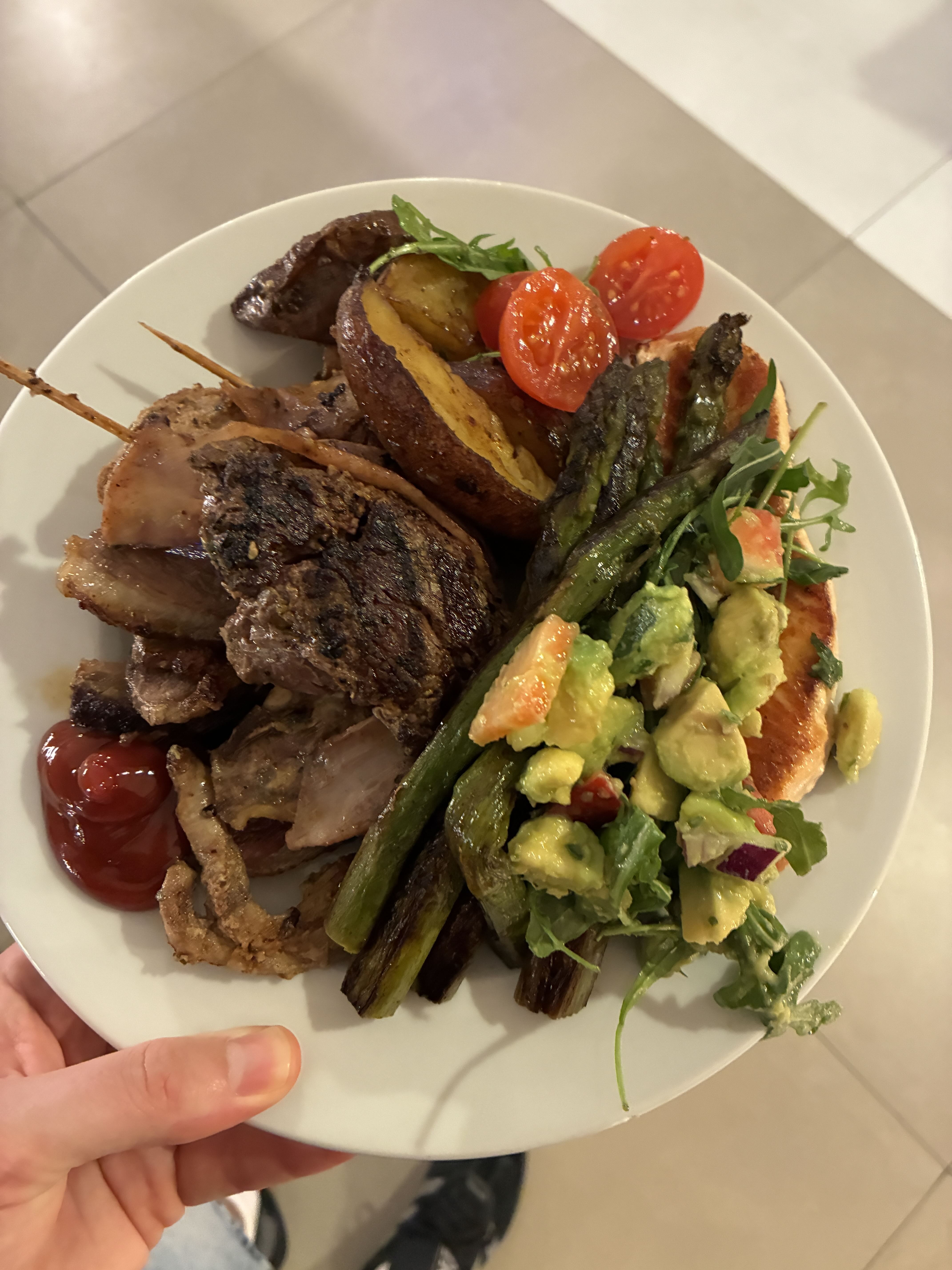
The food in the buffet was actually incredible. High quality, tasty, and a huge range of options to choose from. 

The only restaurant we ate in (included in the all-inclusive package) was Mitsuki, an oriental-themed eatery that sadly served up plate after plate of disappointment and had an even more disappointingly limited choice when it came to ordering.

Honestly, the buffet experience was so much better, and the quality of service was also better at the buffet that we cancelled our other restaurant bookings based on this experience.

Buffet Delights at Riu Palace Boa Vista Cape Verde image

Buffet Delights at Riu Palace © Kerry McCarthy

Hotel hygiene

It was 5-star standard throughout – in the lobby, spa, restrooms, hotel rooms and pools were kept meticulously clean and I didn’t once spot anything that had been overlooked in terms of cleanliness.

The restaurants, buffets, and bars were also top notch, the food had a high turnover and for the most part was well covered and there were automatic doors to keep flies out from the service area as guests went in and out. There were plenty of hand sanitiser dispensers throughout so even if you didn’t pack your own, the hotel was giving you every opportunity to keep hands clean!

What is shigella and why has it been so hot in the press?

Shigella is a bacteria that can cause a particularly nasty infection (shigellosis) causing severe diarrhoea, sickness, fever and dehydration. It is very easily spread, it doesn’t take much to cause an infection, and in some cases people who have been infected have died as it comes with a whole host of potential complications.

It is these cases, along with particularly high rates of infection at certain hotels and locations, that have been the centre of media attention. Sal and Boa Vista in Cape Verde are two such locations, and the Riu hotels that host holidaymakers on behalf of Tui and First Choice are the centre of attention. You can  see what the .gov website has to say about it here.

How to avoid shigellosis

Pretty simple – good hygiene. But it takes two to tango. 

Firstly the hotel needs to be notching 5-star cleanliness EVERYWHERE, and the guests also need to make sure they are doing their bit too by thoroughly washing hands after using the loo. Yes, it is a fecal-bourne disease, the sheer thought of catching it is enough to give anyone the chills.

Aside from clean facilities, the hotel needs to make sure that flies are banished, especially wherever a buffet is involved. A few flies on your food that have been in contact with infected faeces is all it might take to catch this nasty bug. But there is only so much a hotel can do. 

To minimise risk the following is recommended:

  • Wash hands after touching shared surfaces
  • Use hospital grade hand sanitiser where handwashing isn’t practical or possible  – such as using items at a buffet
  • Stick to freshly cooked hot food – flies are much less likely to land on this
  • Choose foods that have just been laid out, or are under a cloche
  • Take a fly fan and use it whenever you are dining in the open

Other measures:

  • Pack some electrolyte/rehydration medication in case you become unwell as the risk to health from dehydration is severe.
  • Get decent travel insurance as this could easily wipe you out for your whole holiday, and should you have added complications, getting the medical help you might need isn’t as easy as it is in the UK.
Holiday first aid kit image

Holiday first aid kit

What we loved (and didn’t love) about staying at Riu Palace Boa Vista

It was beautifully laid out, the staff were friendly, the facilities did not disappoint, the buffet food was great and honestly, this is such a fabulous location to “get away from it all”.

The views are just stunning and you can really feel the difference a 5-star experience makes compared to other Riu hotels in the area.

As mentioned the restaurant was really not worth going to, and the reception staff on arrival were not entirely welcoming, but neither of these things were a dealbreaker.

Rui Palace Boa Vista image

Rui Palace Boa Vista © Kerry McCarthy

Would we stay here again?

In a heartbeat! In fact due to issues with Tui and disrupted travel, (more on that in a separate article!) we had most of our holiday costs refunded and plan to spend it on a return trip as soon as we are able!


Travel Writer Bio

Kerry McCarthy is a Writer and Artist who loves to travel. You can find out more about her adventures over on instagram at @kerrymccarthystars

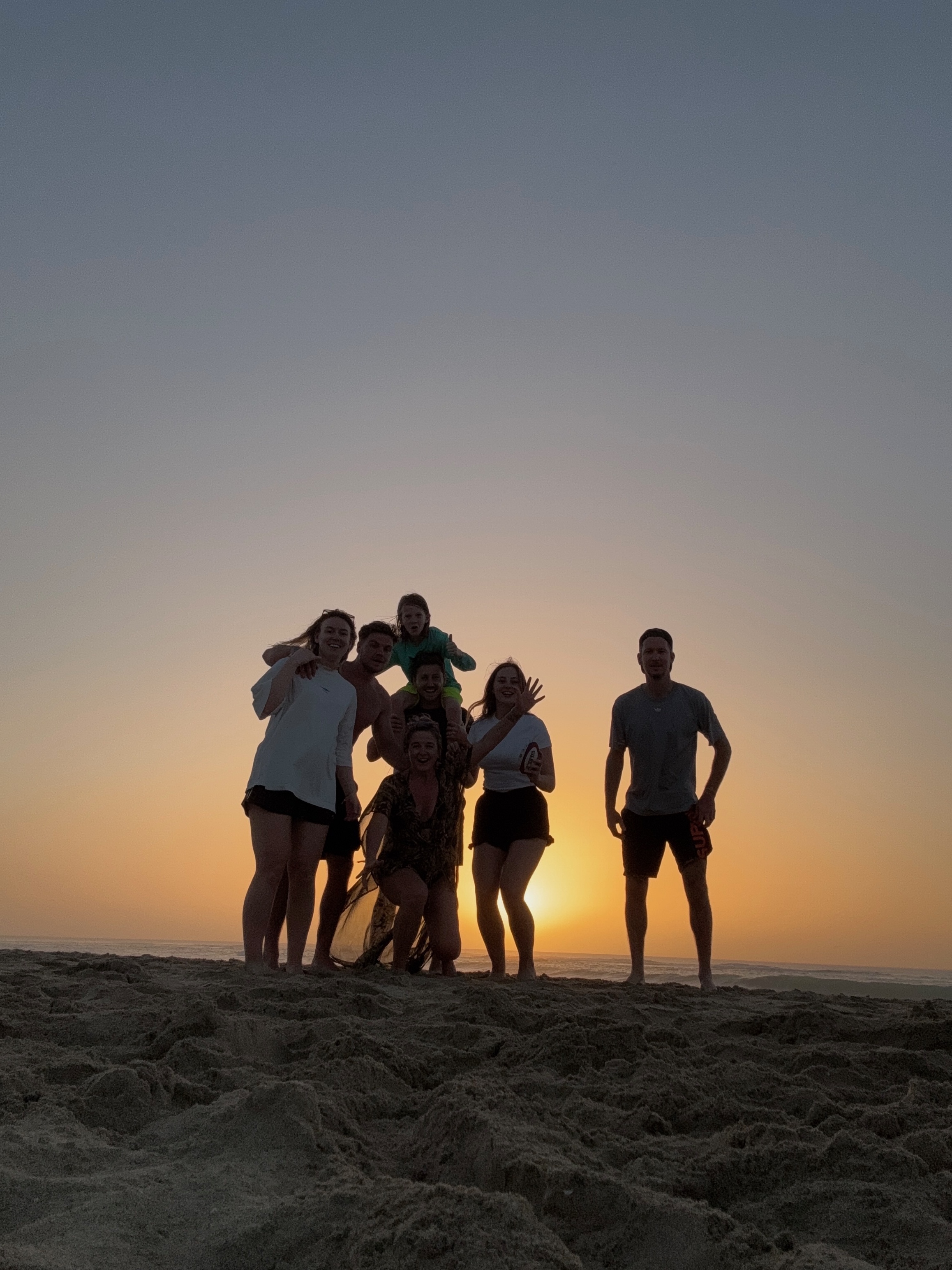
Family Photo at Sunset in Boa Vista © Kerry McCarthy

Worldwide Travel Insurance for Total Peace of Mind 

Get an online travel insurance quote now or call us on 01892833338 to make sure you’ve got the cover you need.


Posted in Safety when travelling, The places we've been, Travel Advice | Comments Off on Riu Palace Hotel Boa Vista: Sun, Sea, Sand… and Shigella?

When A Package Holiday Goes Wrong: Can I Claim On Travel Insurance If It Is The Tour Operator’s Fault? 

One of the reasons people hesitate getting travel insurance is because tour operators (and travel regulations) offer compensation if a flight, ferry, or train is delayed. So, if you are going to get a payout if the tour operator messes up, then why pay for travel insurance? We cover how travel insurance can top up the compensation even if the tour operator is at fault!

sandstorm salk boa vista cape verde image

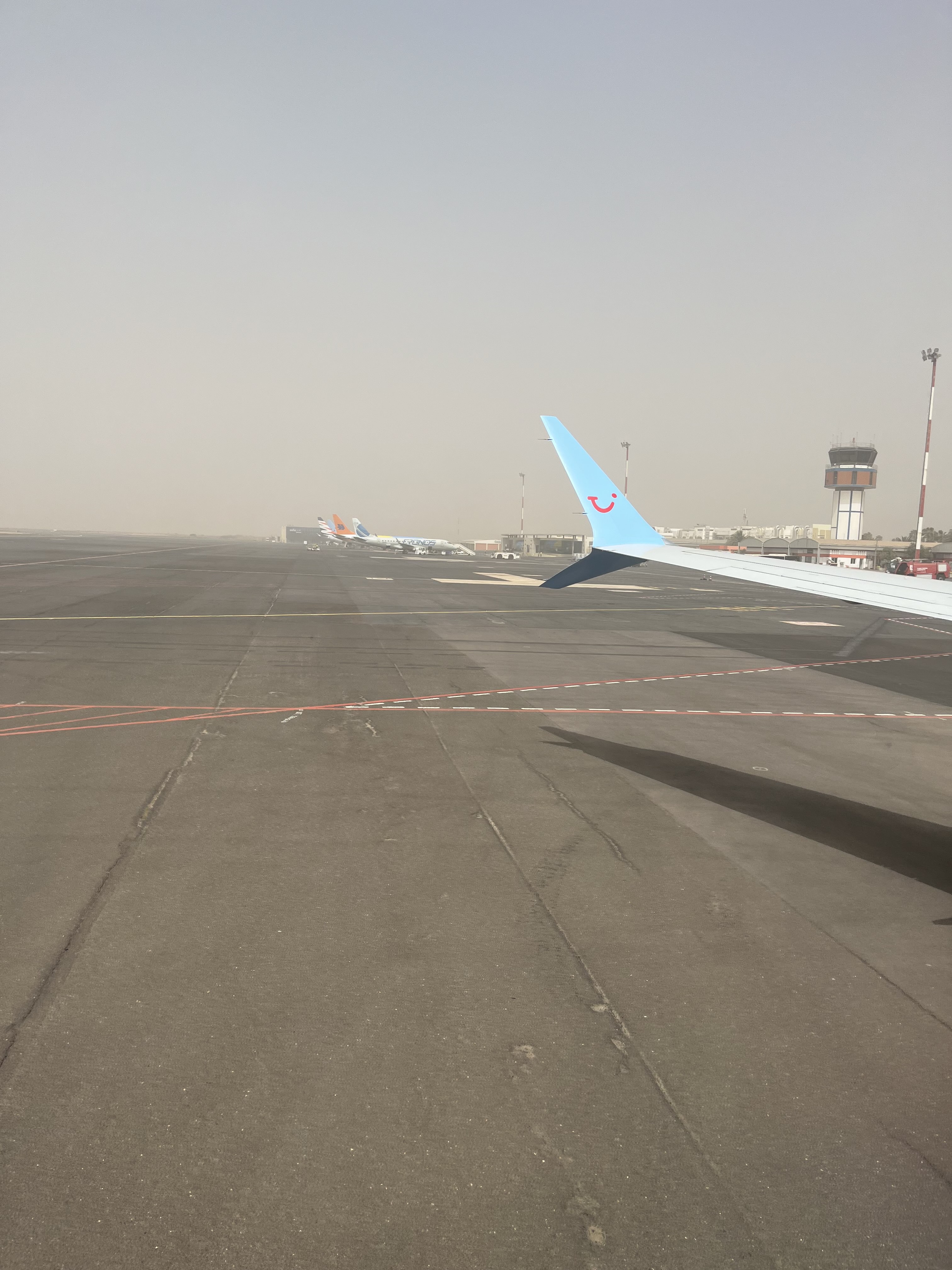
Sandstorm stops travel – Sal Airport, Cape Verde © Kerry McCarthy

So, why pay for travel insurance if the tour operator will compensate?

Firstly, travel insurance offers so much more protection against all the other things out of your control. Anything from lost, damaged, or stolen luggage, belongings, and passports to medical assistance and even repatriation.

Travel insurance may also offer compensation when the tour operator has already offered their but too. Much of it will depend on your travel insurance provider and the level of cover you have chosen.

Real world example – a recent trip to Boa Vista, Cape Verde

A plane full of expectant holidaymakers were heading out on an all-inclusive break to Boa Vista. Most had booked via Tui, some via First Choice holidays – all had high expectations that they were about to have a restful week (or two) relaxing in the sun after a mere 6 hour flight to Rabil, Boa Vista.

The flight departed from Gatwick airport one grey Tuesday morning in February, but the holidaymakers didn’t land at their chosen destination until midday Thursday morning!

What went wrong?

Tuesday:

  • On the approach into Rabil a pretty hefty sandstorm made it impossible to land – Boa vista doesn’t have the same bells and whistles as other airports, not even lights for the runway.
  • The pilot elected to abort the landing – thank fully not as hairy as one might imagine – and we carried on to the neighbouring island Sal where the airport has a bit more tech and the sandstorms don’t hit quite as hard.
  • After a few hours waiting in Sal airport we had an update that the sandstorm was not abating, and with no rooms available on the island to put us up for the night (it was half term after all, so most places were fully booked) they were going to fly us 2 hours back north to Tenerife and try again the next day to get us on our way.

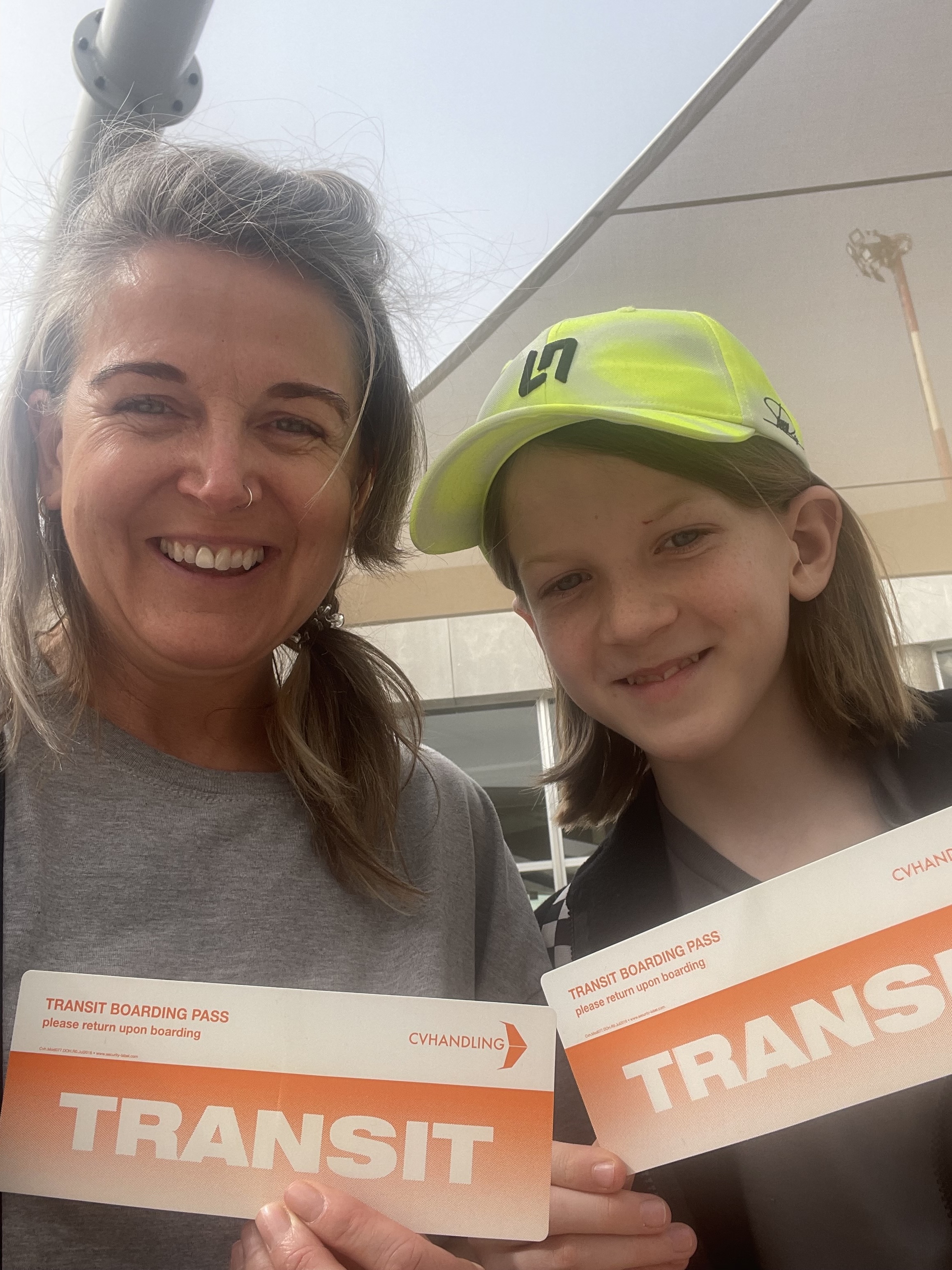
In transit at Sal Airport © Kerry McCarthy

Wednesday:

  • We were collected from various hotels we had been dropped off at the night before – more on that below – and dropped off to catch an early afternoon flight.
  • There aren’t usually flights from Tenerife to Boa Vista so there were problems checking in and getting through security, and passport control wasn’t prepared for a planeload of extra people to process – cue massive queues and the inevitable delays!
  • The flight lost its slot to take off, the flight was removed from the board, we were ushered away from our gate and told there would be updates.
  • At around 4pm we were finally told we could board – we got comfy in our seats and then the captain announced that we would not be departing after all. No reasons given.
  • Back off the plane, and back to being allocated yet another hotel to spend the night in in Teneriffe. Fingers crossed for tomorrow.

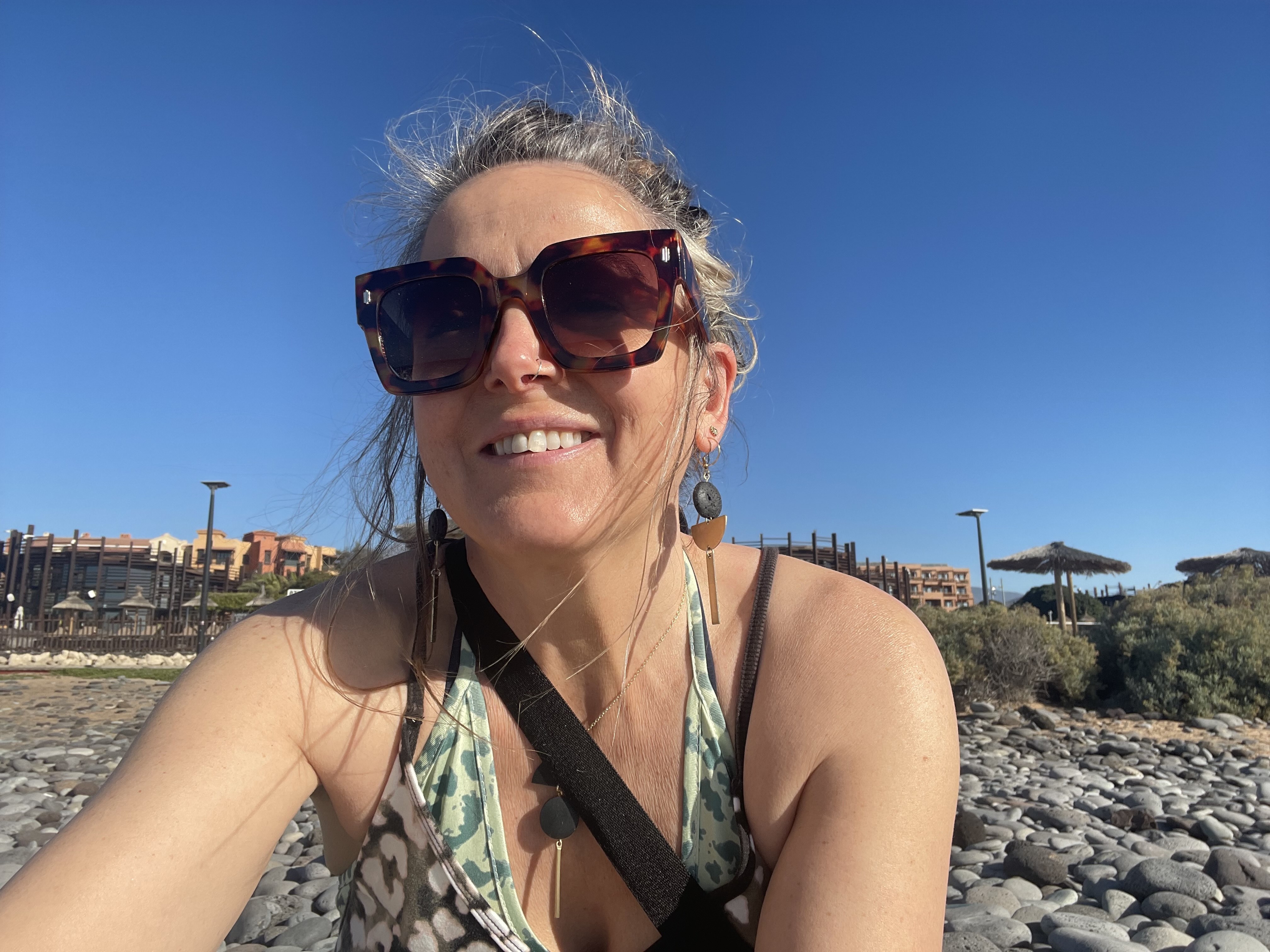
Making the most of Tenerife before attempt two © Kerry McCarthy

Thursday

  • 6am pickup from the hotel
  • On the plane by 10
  • In Boa Vista by lunchtime clutching a well-deserved cocktail!

What did the tour operators do?

Sadly not a lot. They seemed ill-prepared to have reps on hand, and even less prepared with alternative arrangements. 

  • No food or drink tokens were given out at any point
  • There was no service on the flight to Tenerife, or back to Boa Vista due to strict service legislations.
  • It was first come first served to bag a spot at a hotel – some got 5-star penthouse suites, others got 2-star shared accommodation.
  • Not everyone got a space on a transfer.
  • Arrival at the temporary hotel the first night was too late to get food.
  • The following night we were not granted “all inclusive” access.
  • Those with children were most affected as it was half term so most family-friendly hotels nearby were already full. The adults-only groups fared much better.
  • The passenger list for the new  flights did not have everyone accounted for and there wasn’t a rep in sight to help.
  • There was no explanation as to why the flight on the Wednesday could not take off once we had boarded the plane.


What kind of things did holidaymakers have to pay for out of their own pocket?

  • Food & drink – not something you would have budgeted for having already paid for an all-inclusive holiday! For a family of 4 over what was essentially 2 days this is not an insignificant amount – especially when you consider all we had access to was airport food and drink. We were a party of 6 adults and 1 child – and we were grateful to have a credit card to use!
  • Taxi transfers – so many passengers were left as good as stranded at the airport waiting for a hotel allocation that most took it into their own hands to find a palace to stay. As you would once it hit 10pm and you have babes in arms. This meant footing the bill for a taxi from the airport to a hotel.
  • Hotel accomodation – those who found their own hotel had to obviously pay for their accommodation. However, even those who were allocated a hotel by Tui or First Choice had to pay a full room deposit upon arrival with the promise that the hotel would refund the next day.
  • Food and drink for flights – because the flight had not returned to the UK, regulations state that there can be no service on board. The best the crew could offer was to fill water bottles – so more airport food needed for travel.

What compensation was offered?

  • Everyone on the flight was entitled to the statutory EC261 Flight Delay Compensation – this has nothing to do with the tour operator but at least they did provide a link to fill out the form. Each person was given the maximum compensation of £520.
  • Tui refunded two days pro-rata for loss of holiday. For us this was  £400pp
  • Tui also gave each booking a holiday voucher worth £150 per person – redeemable against their own holiday packages. No cash alternative and no splitting of vouchers. Not ideal for 3 couples travelling together!
  • Tui opened up lines of communication for those to make a claim for expenses incurred – they were very heavily restrictive about what could be claimed and by all accounts quite few of the passengers remain heftily out of pocket for food, drink, transfers, and accommodation.

The one thing that could not be compensated for was unexpectedly being in an EU country for 2 days. Travel rules state that UK citizens must not stay in a Schengen area for more than a total of  90 days out of 180. Frequent travellers and those who work abroad could well have exceeded their limit, or found future travel plans impacted by landing in Tenerife as opposed to Boa Vista, which is outside the Schengen area.

What extra compensation could be available from travel insurance?

  • Delays – even if you have had statutory compensation, you travel insurance may well offer added compensation for your delay – check your policy or give your insurance provider a call.
  • Expenses – having to pay for unexpected transportation, accommodation, food and drink due to a travel disruption may be covered under an expenses clause in your travel insurance – again, check your policy or give your insurance provider a call.
  • Bookings and excursions – if a delay meant that you missed out on a pre-paid bookings, tours, or experiences this may also be covered in your travel insurance. 

Is it worth making a claim?

Does making a travel insurance claim increase your premium?

Making a claim won’t harm any kind of rating that will affect your insurance premiums. Worst case scenario is that your insurance doesn’t cover what you are trying to claim for; best case, you get additional compensation. Your premiums next time you come to renew will not be impacted by previous claims, successful or otherwise.


Get Travel Insurance Today – No Fuss Instant Quote 

Get an instant online travel insurance quote or call us on 01892833338 to get the cover you need in case the unexpected happens!


Posted in Travel Advice, Travel Insurance, Travel Tips | Comments Off on When A Package Holiday Goes Wrong: Can I Claim On Travel Insurance If It Is The Tour Operator’s Fault? 

Extreme Day Tripping – The Travel Trend for 2026

While it isn’t quite Around The World In 80 Days, extreme day tripping is a travel trend guaranteed to satisfy your wanderlust. So dust off your passport, or  maybe get a bumper-size one, download the app to track your EU travel allowance and get ready to adventure!

Travel Insurance Airport Image

Image by JoshuaWoroniecki CC0

What is an extreme day trip?

Put simply, an extreme day trip is a fast-paced, itinerary-packed break where you get the first flight out and the last flight back. The idea is to have a day-long experience of your chosen destination and the magic is in the planning. 

Either your express trip overseas will be a sample holiday to know whether you want to go back for deeper cultural immersion, or it is a taster on your travel menu and you’ll feel like you’ve enjoyed what you came for and don’t need any more.

Why are people choosing to do extreme day tripping?

At a time when time and/or money may be limited, extreme day tripping offers the best of both worlds. It doesn’t eat into valuable holiday time, it is perfect for a mid-week escape when flights are cheaper (£30 return anyone?), and in the long run it can help you decide where you want to spend your “big” holiday budget.

It’s also a great way to pack in more destinations given the 90 day EU Travel Allowance


Fun Fact: The UK is perfectly placed for extreme tripping!

To make an extreme day-trip work you need to be within a short flight of your chosen destination. The UK has several airports that are well connected to a whole host of must-visit places in Europe, whether you want to head for sun or snow; city or seaside; mountains or… you get the picture. 


Does a day trip abroad count towards the 90-day EU travel allowance?

Yes it does, even if it is just part of a day. So while you can’t cheat your way into having more allowance – you can (in theory) sample 90 different destinations and then choose where to go for an immersive break once your allowance re-sets!

What about travel insurance – does it cover extreme day tripping?

As long as you have the right travel insurance! Day trip insurance provides cover outside of your home country for all the usual things you’d want protected on a longer trip. Lost or stolen luggage, passport, belongings… medical assistance, missed connections, tours or trips… you’ll be glad you have it should things not go to plan!

The best places for an extreme day trip from the UK

So, the best places are locations with a flight time of 2 to 3 hours maximum, to a location where the airport is close to where you want to be, and for budget reasons, destinations with frequent daily flights. 

The best UK airports to fly from are Stanstead, Luton & Manchester. Obviously if you aren’t located near one of these then an extreme day trip might need even more planning.

Here are the best places to start when embarking on this new type of travel:

  • Amsterdam 
  • Paris 
  • Palma de Mallorca 
  • Venice  
  • Milan 
  • Copenhagen
  • Lisbon

Image by djedi CC0

How to plan for an extreme day trip

There are a whole host of online communities and booking sites dedicated to this travel trend who are actively sharing itineraries and experiences. Here’s what to look for when planning or researching your own trip:

  • Best airport for shortest travel time, most convenient outbound and inbound flights, and less than 30 minutes from where you plan to spend your day.
  • Best times of the week/month/year to get convenient but cheap flights.
  • Locations that tick your interest boxes – whether that is art, culture, cuisine, shopping, sightseeing, rollercoasters, surfing, drinking…
  • Locations where you can create an optimised route to see all the highlights in as little time as possible.
  • Choose places where you can pre-book tables, excursions, museum entries etc so you don’t waste time queuing.

Does it feel rushed and is it worth it?

That my fellow traveller depends on you! If you are the high energy type who loves a jam-packed day of sightseeing and exploring, then yes, extreme day-tripping will probably tick your travel boxes. If however you like to relax over a long lunch and take a meander along unknown streets to see what delights there are to discover, then probably not. 

Ultimately you need to be someone that is great at researching and planning so you can maximise your time while you are there. You’ll arrive already knowing what route you want to take to see all you want to see, where you will go to eat, and likely what you’ll choose once you are there!

What next?

Get planning! And get your travel insurance – tight schedules can lead to missed connections or flights, which can impact the things you have pre-booked for your day. Travel insurance can help recoup the costs so you can budget for another day.

Short Stay Travel Insurance for Total Peace of Mind 

Get an online travel insurance quote now or call us on 01892833338 to make sure you’ve got the cover you need.


Posted in Travel Advice, Travel Tips | Comments Off on Extreme Day Tripping – The Travel Trend for 2026

Cambodia & Vietnam – Essential Info for Remote Working on a Longstay Adventure

Working online while travelling is the pinnacle of “living the dream” for  many professionals that can earn their living with little more than a laptop. And while Thailand used to be the destination of choice, the zeitgeist is choosing a new place to call “home”, find out why, and what you need to know before you pack up and go!

Longstay Alternatives to Thailand

Thailand has long been the darling of the long-term traveller circuit: stunning beaches, a well-developed tourist sector, and low prices have all made it super-attractive to those planning a sabbatical away from the UK. It has been especially popular among remote workers – i.e. those who only need a laptop and wifi connection to earn a crust.

But remote workers staying in Thailand – alongside general long-term travellers – often struggle to remain in Thailand for more than a few months due to strict visa rules. Additionally, doing “visa runs” into neighbouring countries is often dimly viewed by immigration officials.

 Both Cambodia and Vietnam are quick and easy to reach from Thailand. Here’s what you need to know about getting visas and longstay insurance, so you get the most out of your trip.

Please note that if you are 55+ insurance requirements will differ for some visa categories in Cambodia and Vietnam. Retirement visas are available from age 55 in Cambodia, while there is no specific ‘retirement’ visa for Vietnam as yet.


Cambodia

In terms of visas, for UK citizens, Cambodia is arguably one of the easiest countries on the planet to stay long-term.

Ordinary (E-type) Visa

  •     Get on arrival (or e-visa).
  •     Initially valid for 30 days.
  •     Can be extended inside Cambodia.
  •     Extensions available for 1, 3, 6, or 12 months.
  •     6- and 12-month extensions allow multiple entry.

Importantly:

  •     You don’t need to show large savings.
  •     Retirement, business, or general stay extensions are often straightforward.
  •     Less paperwork compared to Thailand. Visa specialists often do it all for you – you simply hand over your passport and fee!

I’m a remote worker/long term traveller: what should I know?

As far as remote workers are concerned, the rules for undertaking such work in Cambodia are not clearly defined, but many people do work while staying in the country long term.

The long-term E-class extensions (especially EB business extensions) are commonly used by: freelancers, remote workers, online teachers, small business owners etc.

For long-term travellers, or those who simply wish to live in Phnom Penh, Siem Reap or Kampot for a longer period, the visa situation in Cambodia is extremely liberal. It’s often a case of “pay the money, get the visa” (at least for now).

What about longstay travel insurance in Cambodia?

 It’s extremely important that you have adequate travel insurance while staying in Cambodia for an extended period (even if it’s not legally required). 

Here at Worldwide Insure, our Longstay Travel Insurance policy provides short-term medical coverage of up to 180 days – which is ideal for many remote workers and long term travellers. However, it can also be extended while you’re away if necessary, and if you want to get covered for certain activities, you can add protection as required.

Need even longer term cover? Our Globehopper policy can be taken out for periods of up to three years – and extended while you’re out of your Home Country.  

Both Longstay and Globehopper travel insurance policies also cover you for things like missed connections, cancellations, curtailment, lost or stolen baggage – and much more.

What’s medical care like in Cambodia?

 Cambodia’s healthcare system is not as well-developed as Thailand’s. Its public care is inexpensive but limited, while private care can be costly. With this in mind, having a suitable long stay insurance policy with medical coverage is critical. Complex procedures may need to be carried out in Thailand or Singapore (which could cost many thousands of dollars without insurance).


Vietnam

For a UK passport holder, long-term stays in Vietnam are possible but nowhere near as easy or flexible as in Cambodia (and generally more restrictive than Thailand for retirees).

As a UK citizen, you get a free 45-day visa on arrival (visa exemption). You can then apply to get a 90-day visa (single or multiple entry).


I’m a remote worker/long term traveller: what should I know?

If you have remote work – such as online teaching, account management, web development etc., – then in all honesty carrying such work on a 90 day tourist visa is a legally grey area. However, many people do it without issue. 

There is currently no ‘digital nomad’ visa for Vietnam.

And if you’re a general long-term traveller, then a 90 day visa can be ideal (assuming you consider 90 days to be “long term”!). However, getting back-to-back 90 day visas may lead to issues (and denial of entry in some cases).


What about longstay travel insurance in Vietnam?

As mentioned, there’s no legal requirement to have travel/health insurance while staying in Vietnam. However, it is highly recommended that adequate travel insurance is taken out.

Worldwide Insure’s Longstay Travel Insurance policy could be the perfect solution: it provides short-term medical coverage of up to 180 days – which is ideally suited to a lot of remote workers and long term travellers. 

Better still, it can also be extended while you’re away if required. Add-on cover can be bought for certain higher risk activities like watersports.

If you need longer-term cover, our Globehopper policy can be taken out for periods of up to three years. It can also be extended while you’re out of your Home Country. 

Both Longstay and Globehopper policies also cover you for things like cancellations, curtailment, lost or stolen baggage – and much more.


What’s medical care like in Vietnam?

While not up to the high, internationally-comparable standards of Thailand, Vietnam’s healthcare system is rapidly improving. Good private hospitals, widely spoken English in expat clinics, and affordable prices (lower than Thailand), mean you should be able to get the medical attention you need – especially in larger cities like Hanoi, Ho Chi Minh, and Da Nang.

But while minor treatments and check ups are cheap, serious operations can cost the equivalent of thousands of pounds (think evacuation or serious surgery).

With this in mind, getting quality long term travel insurance with medical cover is essential. 


Bottom line: Medical care cover and much more

Both Cambodia and Vietnam are unique and rewarding countries to stay long term, whether you’re seeing the sights, or getting a bit of remote work done.

But it’s essential you have adequate travel insurance that covers you for medical eventualities/emergencies, as well as things like cancellations, curtailments, lost or stolen baggage and more (all of which might see you return home early without the right travel insurance).


Get Longstay Travel Insurance – No Fuss Instant Quote 

Find out more about our wide selection of travel insurance policies and specialist medical cover with instant online quotes or call us on 01892833338 to get the cover you need.


Posted in Travel Advice, Travel Insurance | Comments Off on Cambodia & Vietnam – Essential Info for Remote Working on a Longstay Adventure

My Secret Snowy Escape To Finnish Lapland

With just a week to go before Christmas I headed to the arctic circle for an adventure of a lifetime complete with a total wellness re-balance. Cue serious sub-zero temps, steamy saunas in the arctic tundra, snow sports, spectacular northern lights, and some much needed stretching with a world-class yoga instructor! 

Arctic Cirlce Finland Lapland image

© Kerry McCarthy

Where to stay in Finnish Lapland

This secret escape was in the Yllas region of Finland, almost as far north as you can get. The experience was curated by acclaimed UK wellness retreat provider Reclaim Yourself. So why the secrecy? Well, owner  Jools has managed to secure some of the most exclusive accommodations and experiences in incredible destinations around the world – and we wouldn’t want to ruin the surprise for future guests now would we!

Home was a luxury lodge with 10 bedrooms, cosy lounge areas, log burners and of course a dedicated sauna space – luxuriously large and very very hot! The retreat chef, Lucy Charlesworth, was on hand to whip up hearty and wholesome food four times a day and Faye Shekhar delivered a spectacular yoga, breathwork and meditation programme themed around the Pancha Vayus, the five currents of lifeforce in yoga philosophy.

Finland Lapland image

@ Kerry McCarthy

How to get to Yllas, Finland

It is possible to get a direct flight from the UK to Kittilä, but to save a few pennies we split our journey, flying from London Heathrow to Frankfurt, then on to Kittilä on the way there and on the way back our stopover was Munich. All flights were with Lufthansa and overall travel time was 6h, not including the 1h transfer from the airport to our secret escape destination!

kittila airport finland lapland aeroplane image

Kittila Airport © Kerry McCarthy

What is the weather like in Finnish Lapland?

Cold. Very very cold! The lowest it got during our stay was -29°C. At this temperature nose hairs and eyelashes freeze, and you really do need those thermals! 

So… what do you pack to stay warm in Lapland?

  • You need layers. Thermal base layers, comfy clothes to go on top, then out gear on top of that. 
  • Snow boots are a must for adequate insulation – my moon boots were perfect, but someone else had Sorrel Glacier winter boots which feature a reflective lining to retain body temperature. Trust me, you’ll need it – especially if heading out on winter sport adventures.
  • Thermal socks, or heavy wool socks, because seriously, it is COLD! 
  • Hot hands air activated hand warmers and foot warmers – you’ll need these even with ski gloves, glove liners and glacier-ready boots.
  • Swim suit – this should probably come top, but every house, lodge, space and place in Finland has a sauna, which is where you’ll really get warm!

Top tip: Also pack t-shirts and light trousers, because it may be cold outside but it’ll be super toasty in your accommodation, log burners blazing and underfloor heat pumping!

Finland Lapland Reindeer image

© Kerry McCarthy

What to do in Yllas

Jools has created a retreat that delivers beyond all expectations. Each day, as well as yoga, there was a different arctic adventure to choose from. Here’s what the itinerary looked like.. Even if you aren’t on this retreat, this is a solid itinerary for a week-long stay in Yllas.

Snow shoe adventure

Local guides take you on a three hour journey through the Finnish forest, sharing their deep knowledge of Lapland’s landscape, flora, and fauna, and giving you a chance to spot native wildlife such as white reindeer. On the journey time and space is given to be still in the silence of this arctic wonderland while savouring a traditional warm berry juice. 

arctic circle finland snow lapland image

arctic circle sauna adventure! © Kerry McCarthy

Skiing & Snowboarding

Ylläsjärvi ski resort offers some of the longest slopes in Finland, which attracts advanced snow-seekers from all over the world. If you are new to the sport, don’t fear, there is an extensive network of slopes and lifts that offers something for everyone. The views from the peak on a clear day are simply sublime, with the polar light bathing the slope in pastel hues, and once the sun dips there’s plenty of lighting to guide you down to enjoy some apres action after a long day.

Ylläsjärvi ski resort finland lapland arctic circle image

Ylläsjärvi ski resort -29°C! © Kerry McCarthy

Traditional arctic sauna and ice hole dip

On the shore of a Finnish lake, surrounded by panoramic views you’ll find a spacious sauna just waiting to warm you up after a snowy adventure. And in true Finnish style, you’ll be expected to take an icy plunge to cool down before going back in for more. This custom is embedded in Finnish culture; it’s invigorating, boosts circulation, and may well contribute to Finland being top of the happiness index!

arctic circle finland snow ice hole lapland image

ice hole dip  © Kerry McCarthy

Husky sledding

This is the number one activity for anyone on this particular Reclaim Yourself adventure! With being a B-Corp, and having ethical adventure at the heart of every retreat it is super important that guests get to enjoy a husky experience that is as kind to the dogs as it is to the environment. This family-run ranch has a spirited pack of affectionate Alaskan Huskies who live for the thrill of the trail through the taiga forest. The trail winds through untouched forest and Europe’s largest wetland, offering spectacular Arctic scenery along the way.

Snow mobiling & arctic wilderness adventures

Choose between an easy track through sublime scenery to hone your snowmobile skills, or a full-day adventure way into the arctic circle where you can stretch those skills to the max! 

The full day tour takes you well into the arctic circle, culminating at a frozen lake where a spot of ice fishing is on the agenda before hitting the wood-fired sauna hut. Just like any traditional sauna experience here, there is a hole in the ice so you can take a dip in the lake before heading into the heat again. The day is rounded off with a bowl of  Finnish lohikeitto (salmon soup) in a secluded hut before making the 1.5h journey back to base on your snowmobile.

snowmobile arctic circle finland snow lapland image

© Kerry McCarthy

What to eat and drink in Finland

  • Finnish lohikeitto (salmon soup) – simple, delicious and hearty
  • Reindeer and fries – trust me, it works! 
  • Traditional Finnish Karelian pasties – savoury pastry filled with rice or porridge
  • Karelian hotpot – hearty slow-cooked stew made with chunks of pork, beef or lamb
  • Pickled herring – tastes better than it sounds and will put hairs on your chest
  • Finnish cinnamon buns – the Fins are fabulous when it comes to a pastry!
  • Mintu hot chocolate – Finland’s famed peppermint liqueur in a hot choc
  • Hot cloudberry juice (shot of vodka optional!) – hot berry juice is served everywhere, try and find the fresh cloudberry juice though, enjoy it warm, and it’s the norm for it to be served with a shot of vodka to, well, keep you extra warm I suppose!


What I loved and didn’t love about Finland

Finnish Lapland is truly magical, the moment I arrived it felt like I was travelling through some sort of fairytale. The polar light makes it look like the sky has been smudged with pink and blue pastel chalks, the deep snow creates a silence that I thought was impossible out in nature, and the vastness of the wilderness is almost unfathomable. The forests are spectacular, the Finnish people are incredibly friendly and an air of laid-back adventure is embedded in the culture.

Finland Lapland Snow image

Finnish Lapland in full glory © Kerry McCarthy

While I expected the sub-zero temps and the many hours of darkness to be difficult to deal with, they were actually part of the spectacular novelty and adventure of it all. It most definitely is a totally different way of life experiencing such extremes!

If I had to pick anything that I was less enamoured by, it’d be the price of food and drink once you are there. Not an issue when you are on a retreat that caters for your every need – FYI, these ones run twice a year – the next one starts 28th Feb 2026 and there is another in December –  but definitely something to consider if you were planning to go and self-cater.


Travel Writer Bio

Kerry McCarthy is a Writer and Artist who loves to travel. You can find out more about her adventures over on instagram at @kerrymccarthystars

kerry mccarthy finland lapland image

Kerry McCarthy in Finnish Lapland

Travel Insurance for Arctic Adventures!

Get comprehensive travel insurance policies that will give you peace of mind should the worst happen on holiday. Get an online travel insurance quote now or call us on 01892833338

Posted in Destination Guide, The places we've been | Comments Off on My Secret Snowy Escape To Finnish Lapland

Thailand’s Wild Side: Jomtien & Pattaya Beach Resorts

There’s no denying it: Pattaya has something of “a reputation”. For my part, I had only ever used it to break the long journey to Koh Chang, one of my favourite Thai islands. However, on this occasion I was travelling with a friend who was keen to see what this famous – perhaps in some ways infamous – city was all about.

pattaya beach resort Thailand CC0

Pattaya beach resort Thailand CC0

Where to stay in Pattaya & Jomtien

I needed to do a little work while in Pattaya, so I needed a desk, a fast internet connection, and proximity to restaurants – oh yes, and an affordable price. We Residence fit the bill. The large rooms were a little outdated – however at 600 baht (£14) I wasn’t complaining. A big plus was the proximity to Pattaya Central Road, which meant we could hop on a “baht bus” for 10 baht (24p) and get to Beach Road in minutes.

After a few nights in Pattaya – which in many ways was not what we expected – my friend and I felt it was time to move down the coast to Jomtien: a more laid back resort town. Here we stayed in Sorot Darika (750 baht/ £18), a recently refurbished guest house located on one of the many streets (“sois”) that run from the beachside road. The room itself was very modern and comfortable, although the AC unit for the adjacent room seemed to be fixed outside my balcony – which meant my sleep was disturbed by my neighbour turning their cooling system on and off through the night. Sorot Drika was managed by an affable German man, who also owned a hotel in Spain (he said he much preferred Thailand due to the better-behaved tourists!). 

After a couple of nights enjoying the more placid environment of Jomtien, and its long, Miami-esque beachfront, we returned to Pattaya (where we’d board a bus to Bangkok the next day). We found affordable rooms in Peter’s House (700 baht/ £16.50). For some reason, my room had a serious over-supply of plug sockets! Otherwise, the guest house was only a short walk from Beach Road and many good places to eat. There was a 7-Eleven next door, too, which made it easy to get my morning coffee – and something called a “Choco-Pie”!

Jomtien & Pattaya Beach Resorts beach image Craig Hindmarsh

© Craig Hindmarsh

What to do in Pattaya

Pattaya is nothing if not surprising. The eye-popping “Walking Street” is perhaps the main draw: a thoroughfare of nightclubs, drinking spots and go-go bars – each of which had very loud and competing sound systems. There were street performers and various funfair-like games. One game involved two (clothed) women sitting above a large bath of water, behind a kind of grill. Tourists would pay to throw rubber balls at a tiny target which, when successfully hit, would cause the women to fall – very suddenly – into the bath. Walking Street was a little over-the-top for my friend and I, and we decided to leave. 

Even more “over-the-top” was Soi 6, which we stumbled upon the next evening. We didn’t even manage to get to the end of this daunting street, which is quite unlike anything I’ve ever seen.

Aside from the risque night life, there were many “weed cafes” dotted around the city. This is despite the fact that cannabis is technically illegal in Thailand. The potency of their wares, my friend assured me, was beyond question!

The best thing about Pattaya, arguably, is the food. You can eat everything from Middle Eastern to Indian to Italian cuisine here – as well as some top-notch Thai dishes. There’s also a huge choice of fresh seafood on offer. 

The shopping is also very good. Of the 10+ shopping malls, Central World is one of the biggest and most modern. My friend felt that shopping in Pattaya was a lot more convenient than in Bangkok, because so many outlets were concentrated along the Beach Road, unlike the labyrinthine capital where stores were more spread out.

Jomtien & Pattaya Beach Resorts buffet image Craig Hindmarsh

© Craig Hindmarsh

Jomtien

 After Pattaya, we were delighted to reach the relative peace and quiet of Jomtien. Although I’ve never been to Miami, this resort town was what I imagine the Floridian ocean-side metropolis might resemble (although, perhaps, considerably safer). 

The nightlife here was much more up our street – particularly as regards live music. A case in point is the Country Club, where the friendly band encouraged guests to perform on stage with them. My friend, who recently released his first music video, was up on stage like a shot.

Later that night, as we walked back to our guest house, we came across a very jovial busker, who let my friend give another live performance! There’s no denying, Thailand is a very friendly, welcoming place, even in tourist hot spots like this.

Jomtien & Pattaya Beach Resorts music venue image Craig Hindmarsh

© Craig Hindmarsh

What I loved (and didn’t love) about Pattaya and Jomtien

As mentioned, the choice of food in Pattaya was incredible – and that’s speaking as a vegetarian. One of my favourite finds was Five Star J, where I tried a meat-free Penang-style curry with pleasantly chewy brown rice. Another favourite was Sizzler. This is actually a chain of eateries that specialises in steak. However, they also have a very large all-you-can-eat salad bar, which is 90% vegetarian-friendly. Access to this smorgasbord costs just 199 baht (£4.50), although the staff will try to upsell drinks and main meals. 

 Normally I would gravitate towards Indian cuisine, but to be honest this seemed a bit over priced compared to other options.

As far as beach relaxation – and nightlife – went, Jomtien certainly had the edge over Pattaya. 

Both resorts were very easy to get around, either on foot, or by using the local “baht bus’ – a kind of Hilux vehicle with seating in the back. When you want to get off you simply ring the buzzer.

 What about the bad?

While it was certainly interesting to see Pattaya’s legendary nightlife, it was all a little overwhelming for us. Indeed, although we saw a fair number of families on holiday here (mostly from Russia and India), this city might not be considered “family-friendly” by most Brits. 


Undeniably unique, the neon lights of Pattaya are worth visiting for a night or two – just so you can say you’ve been there – before moving eastwards towards islands like Koh Chang and Koh Samet. 

Jomtien & Pattaya Beach Resorts bar image Craig Hindmarsh

© Craig Hindmarsh

Top Tips for Visiting Pattaya and Jomtien

Reach Pattaya from Bangkok’s Ekamai bus station: Ekamai is the eastern bus station of Bangkok, located along Sukhumvit Road. A single to Pattaya cost just 160 baht (£3.50). These are regular-sized coaches – and are a good option if you get claustrophobic in minivans (as I do). 

Take advantage of the ‘baht bus’: These Hilux-based vehicles make it easy to get around, and cost just 24p per trip! Simply raise your arm to flag one down.

Use the grab taxi booking app: If and when you decide to move hotels, or transfer from Pattaya to Jomtien, Grab makes it easy and affordable to get from A to B. As well as regular taxis, you can also book motorbike taxis – if you feel brave!

There are lots of fancy hotels with pools and more: While we stayed in budget-friendly accommodation, it’s worth noting that there are many top-notch hotels with big pools, gyms, and other facilities – available for much less than you’d pay in Europe.

Would I go to Pattaya again?

If only for the huge array of food options and bargain shopping opportunities, I would consider visiting Pattaya again. It makes for an “illuminating” pit stop on the way to the Koh Chang or Koh Samet, and will doubtless contribute to your sense of worldliness!

Writer Bio

Craig enjoys exploring exotic places globally, but has a particular affection for Southeast Asia. From his base in the steamy backwaters of Cambodia, he strikes out in search of adventure, wisdom – and excellent coffee.

Jomtien & Pattaya Beach Resorts beach image Craig Hindmarsh

© Craig Hindmarsh


Get Travel Insurance Before You Go!

We have specialist travel insurance policies to suit a range of budgets and needs. All of our policies come with 24/7 multilingual helpline access and each policy can be tailored to suit your unique needs, no matter where in the world you are!

Get in touch with us for a quote or call us on 01892 833338


Posted in Destination Guide, Travel Advice, Travel Tips | Comments Off on Thailand’s Wild Side: Jomtien & Pattaya Beach Resorts