Kampot – Cambodia’s riverside idyll: Still fun in the rainy season?

From exploring caves, to tootling around the verdant backwaters on a scooter, to enjoying fresh seafood platters – my friend and I found that Kampot and its surrounds has something for every mood and budget. And the occasional rainy season downpour only added to the sense of drama and adventure (but do watch out for those potholes!).

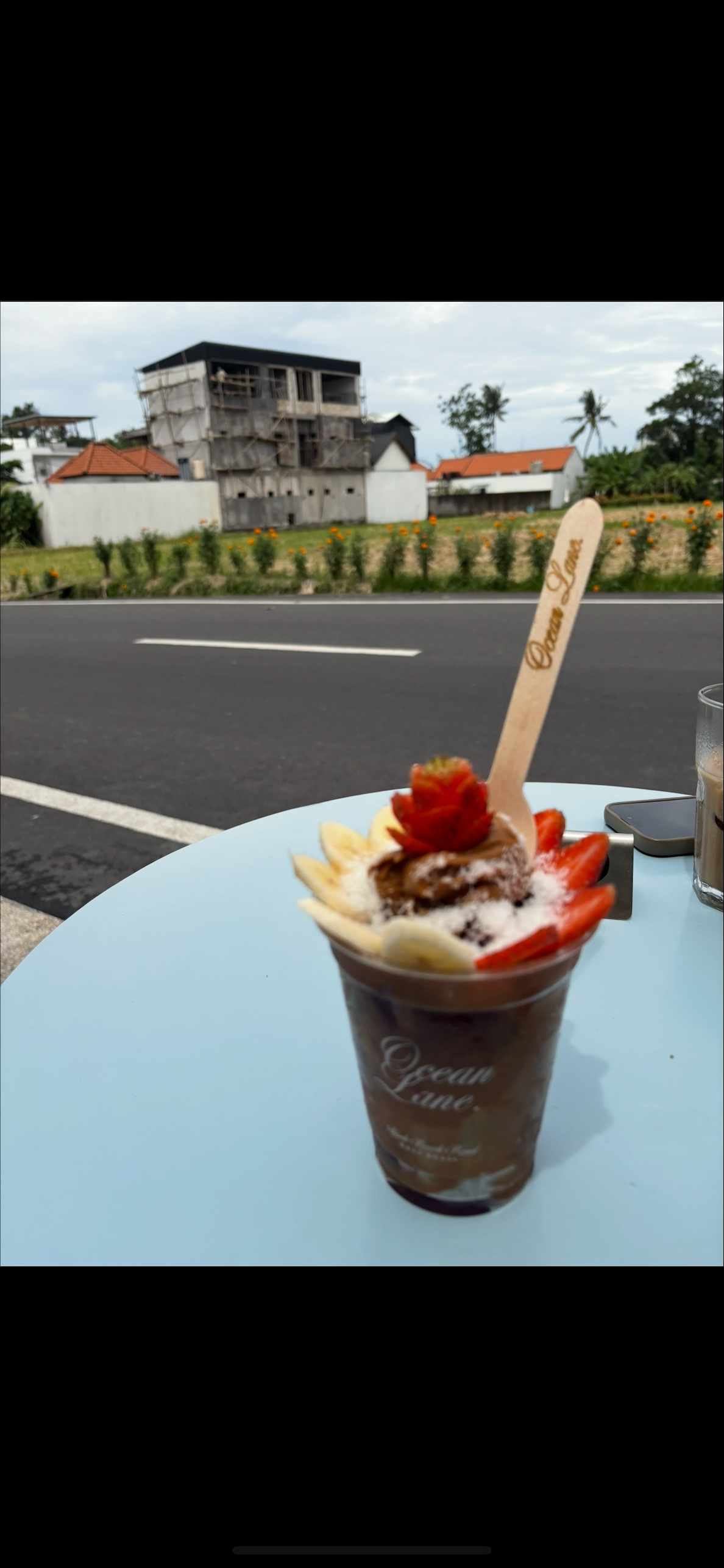
Kampot Cambodia Image © Craig Hindmarsh

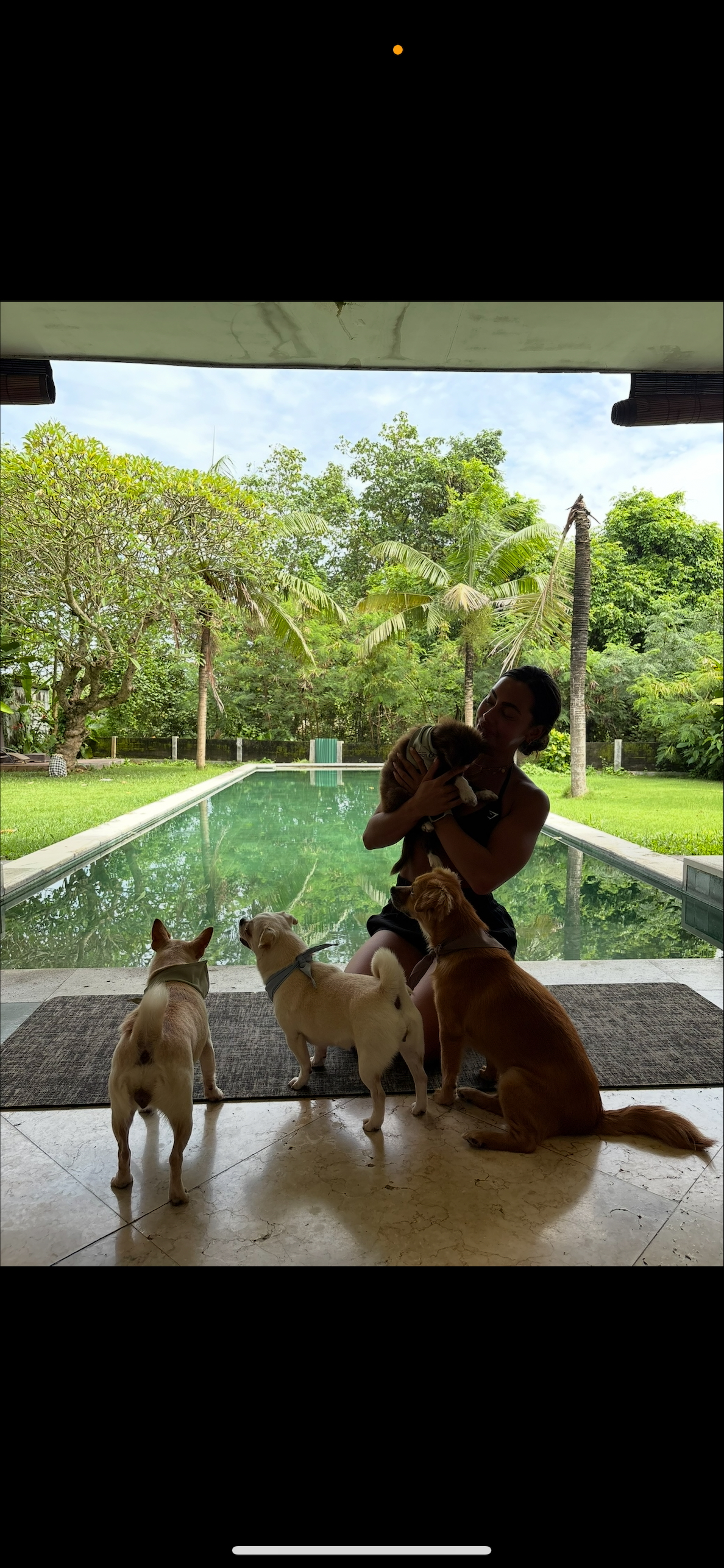
© Craig Hindmarsh

Where to stay in Kampot

 My friend and I arrived in Kampot slap-bang in the middle of the rainy season – not something the guidebooks generally recommend. However, there were plenty of hot, sunny spells, and the evenings and nights were cool (ensuring we could get some good sleep).

A big benefit of rainy (i.e. low season) is that hotels and guest houses are more affordable.

 A case in point is V-Relaxing Resort, where we booked King Rooms, with lake views, for just $67/£49 each. True to its name, this jungle-enveloped resort placed Kampot’s natural beauty on our doorsteps, while giving us comfortable – almost luxurious – rooms to retreat to. 

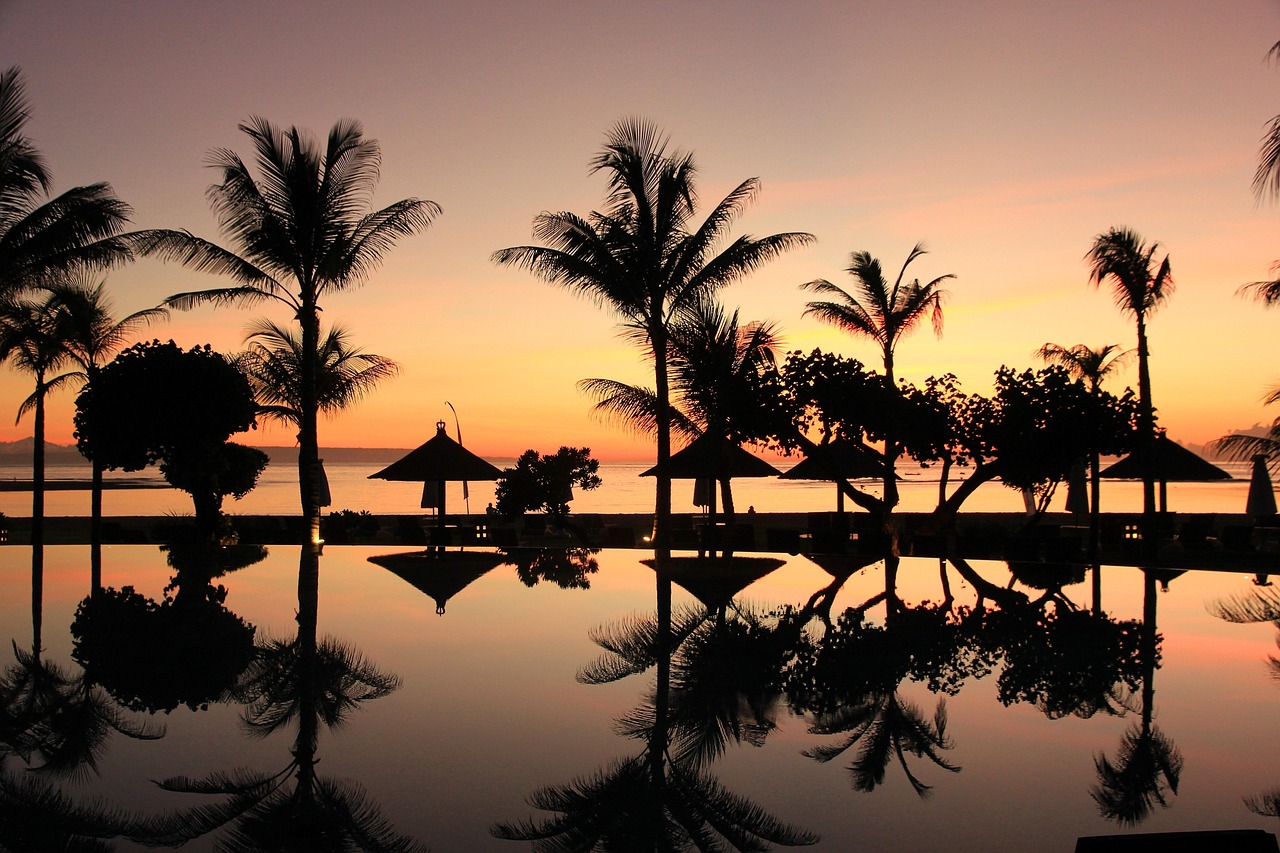
 After two nights at V-Relaxing, we moved to Eden Eco Village which was set right beside the river. The bamboo bungalow ($16/£12) had a fan and mosquito net. While the accommodation was a tad austere, the private balconies were superb – and the perfect locations to enjoy the sunset for our one night here. 

For the final two nights we stayed at Sawadee Suorsdei Boutique, located in the heart of Kampot. Our comfortable double rooms ($15/£11) offered the perfect base from which to enjoy Kampot’s night life – which proved a lot more vibrant than my previous visit some years ago! 

What to do in Kampot

Explore the area on bicycle

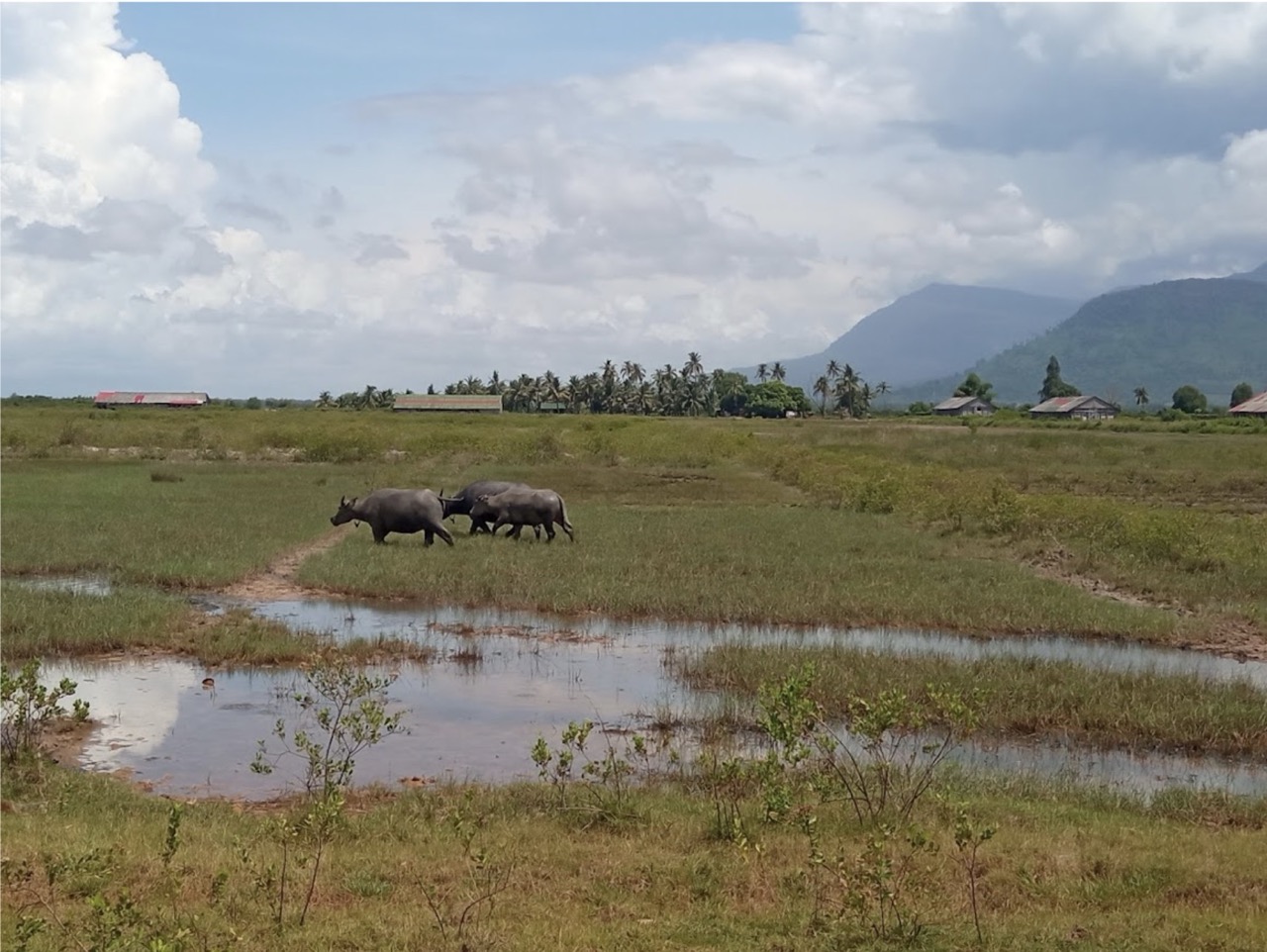
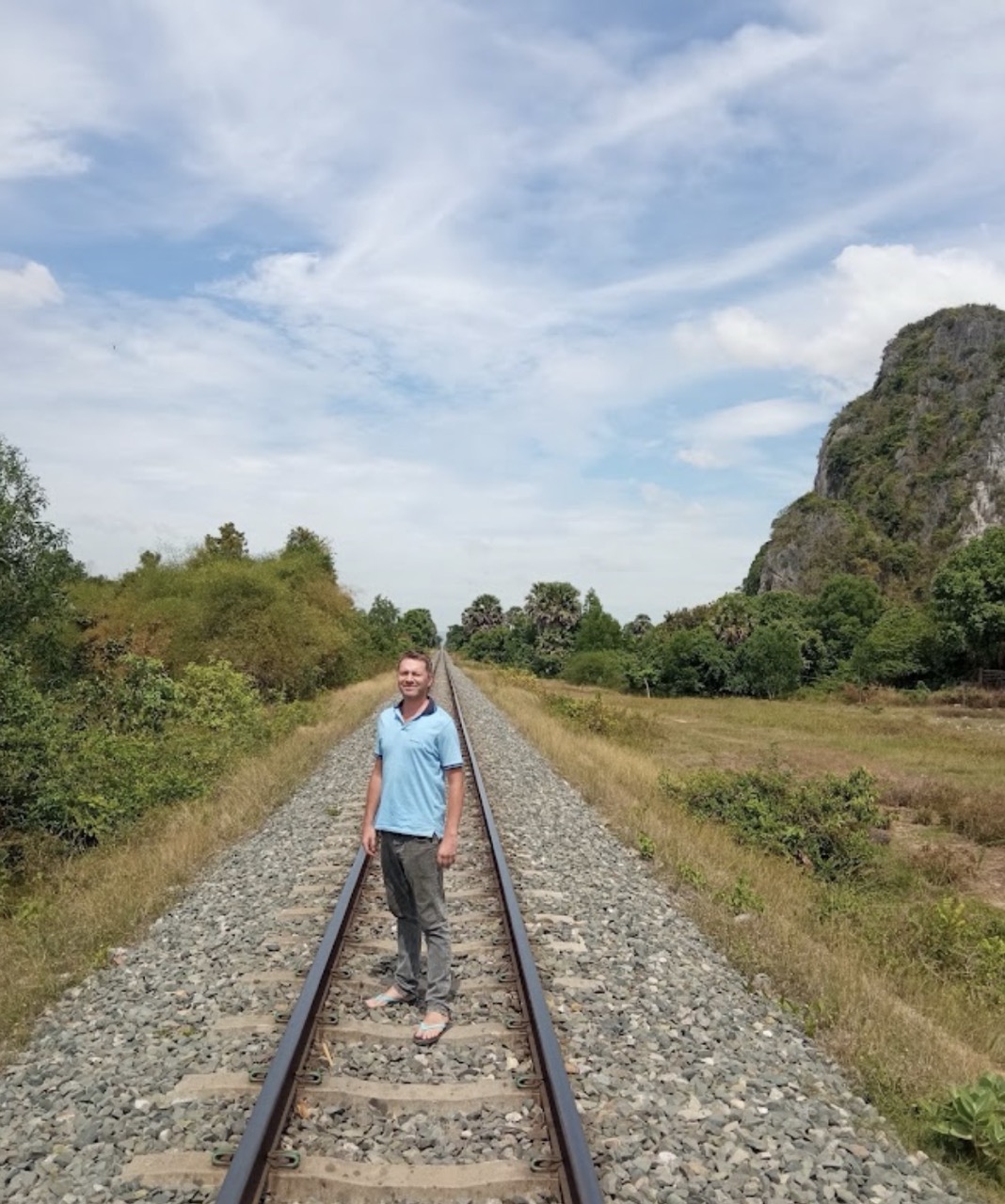
Kampot is all about chilling in the heat (and occasionally the rain). One of the best and most relaxing ways to explore the local area is on a bicycle. We rented ours from Tree Travel Tours – for just a few dollars. A bicycle trip offers the perfect pace to soak up the sights – the highlight was seeing a herd of hefty-but-graceful buffalos on a place called Fish Island (connected by bridge) to the south west of Kampot. Many of the roads are unpaved and caked in dusty red dirt – so don’t wear your finest clothes!

Fish Island © Craig Hindmarsh

Visit Phnom Kampong Trach Cave

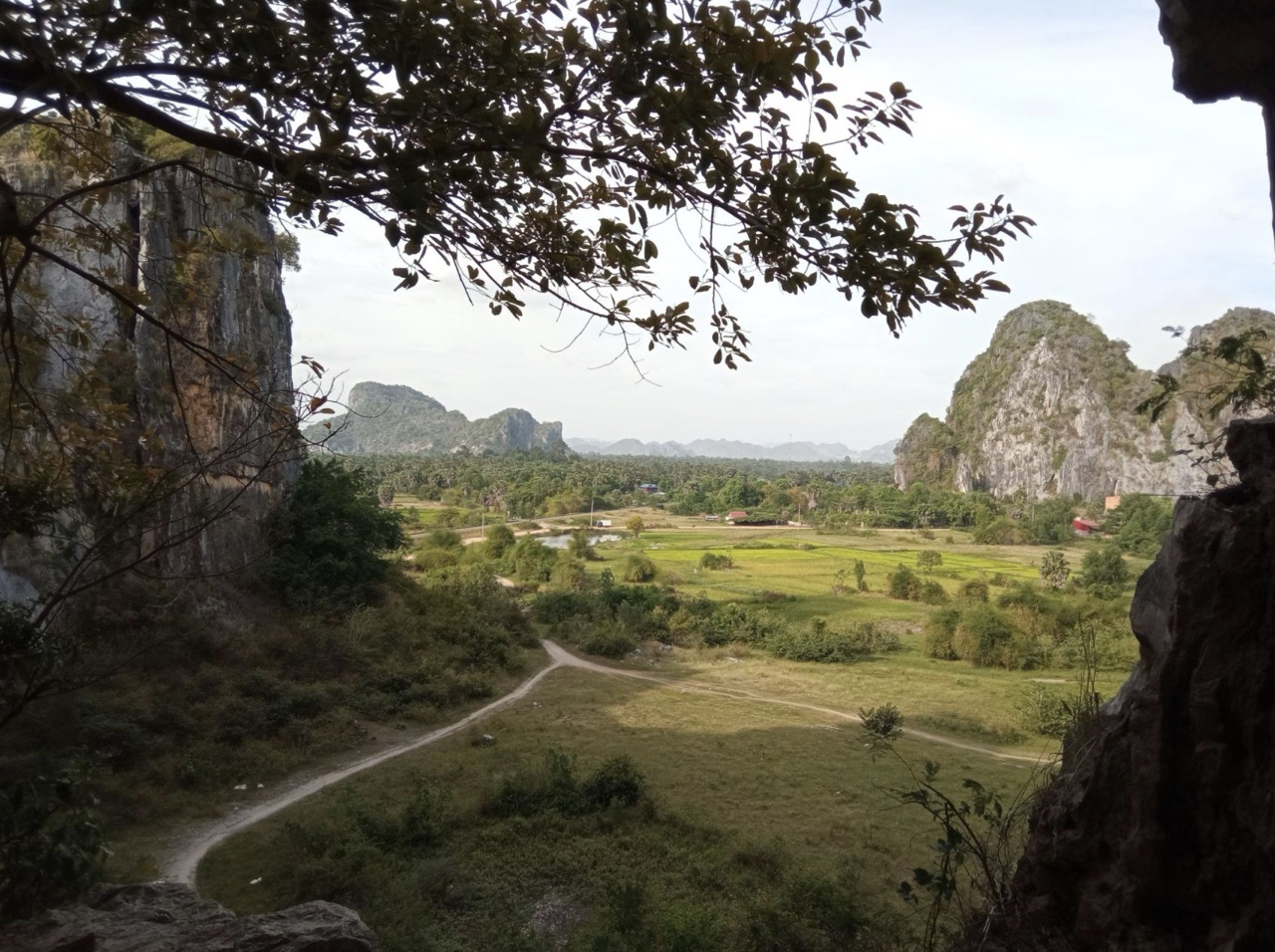
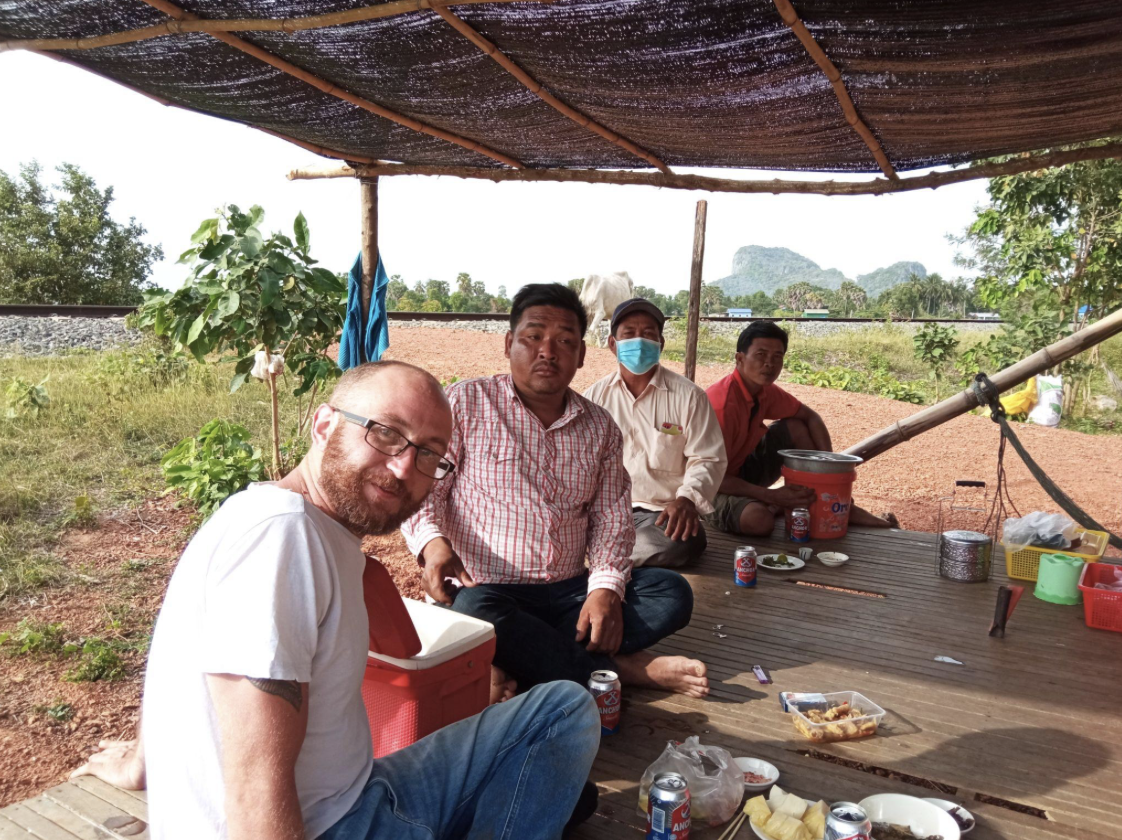
Phnom Kampong Trach Cave is about 10km to the east of Kampot. The friendly guy at Tree Travel discouraged us from attempting the trip on bicycle (poor roads, unsympathetic traffic) – so we rented 125cc scooters from him instead. I’ve been to a few limestone karst caves in Southeast Asia, and Kampong Trach gave them all a run for their money. After exploring the Hindu shrine and stunning vistas, we bumped into some locals and had a small beer – but had to depart swiftly when they urged us to buy an entire box of the stuff for them!

Kampong Trach Cave Cambodia Craig Hindmarsh image

Kampong Trach Cave © Craig Hindmarsh

Eating in Kampot

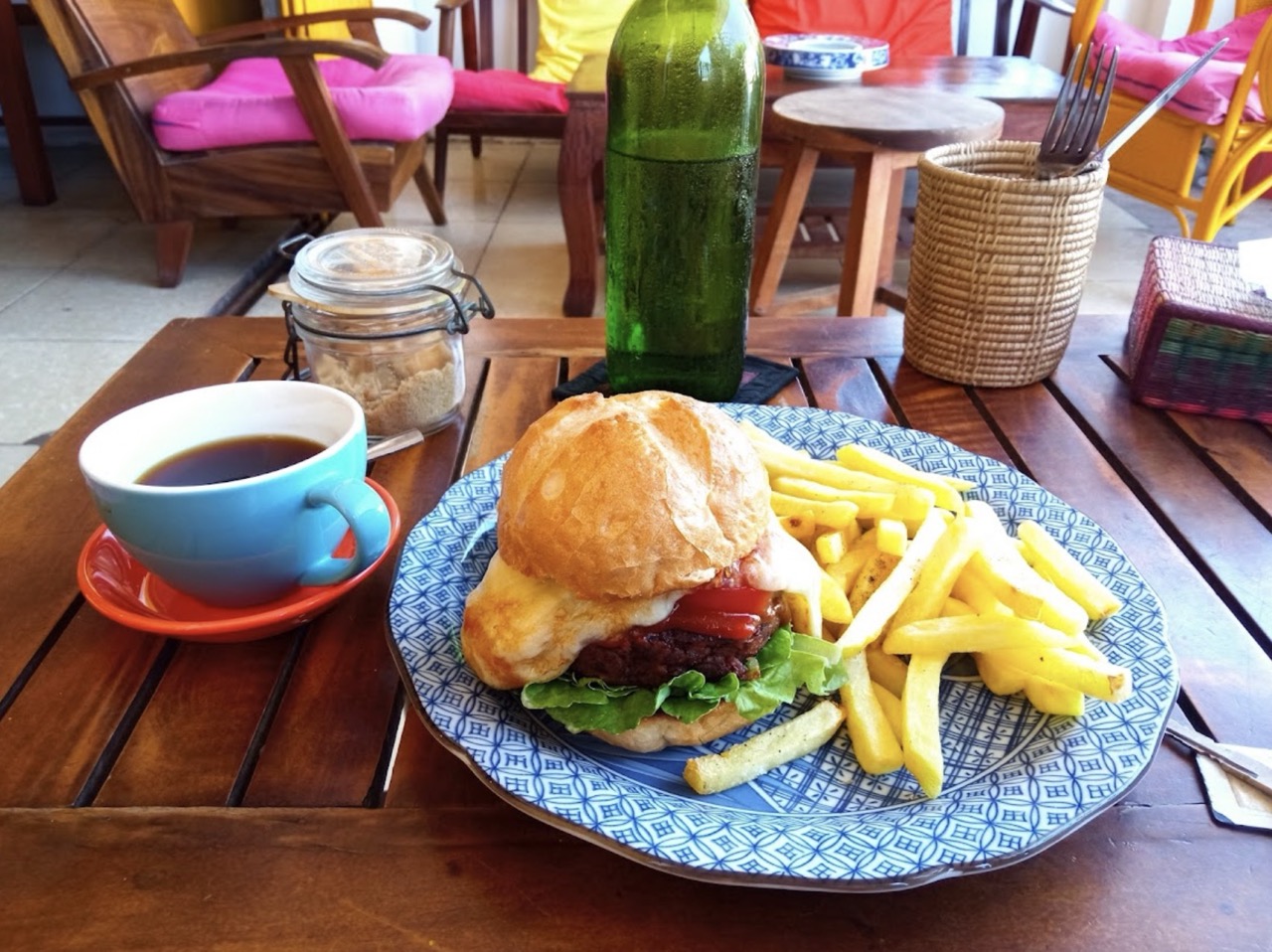
Nearby Kep (15km south east) is famous for its fresh crabs. However, as a vegetarian, I wasn’t too enamoured with this dining option. My friend did the trip by himself, and assured me the seafood was excellent. Luckily there were lots of other top-notch restaurants for me to choose from – including Mexican, Indian and Italian. One of the best meals I had, however, was at the vegetarian restaurant Simple Things, where I wolfed down one of their superb veggie burgers.

Kampot Cambodia image © Craig Hindmarsh

© Craig Hindmarsh

NyAnn Pepper Farm

Despite several visits to Kampot, I had never been to one of its pepper farms before. However, my friend was keen to see one, so we opted for the NyAnn Pepper Farm, to the east of Kampot (again reached by scooter). Like so many experiences around Kampot, it was the countryside that was the highlight. Relaxing in the large veranda-cafe, located at the top of the farm’s main, and very modern, building, we enjoyed excellent coffee as we gazed out over the rows of pepper bushes and verdant landscape beyond. The open-sided cafe gave us respite from the heat, although clouds formed before we left – resulting in a rather wet return journey!

 Splurging on adrenaline sports

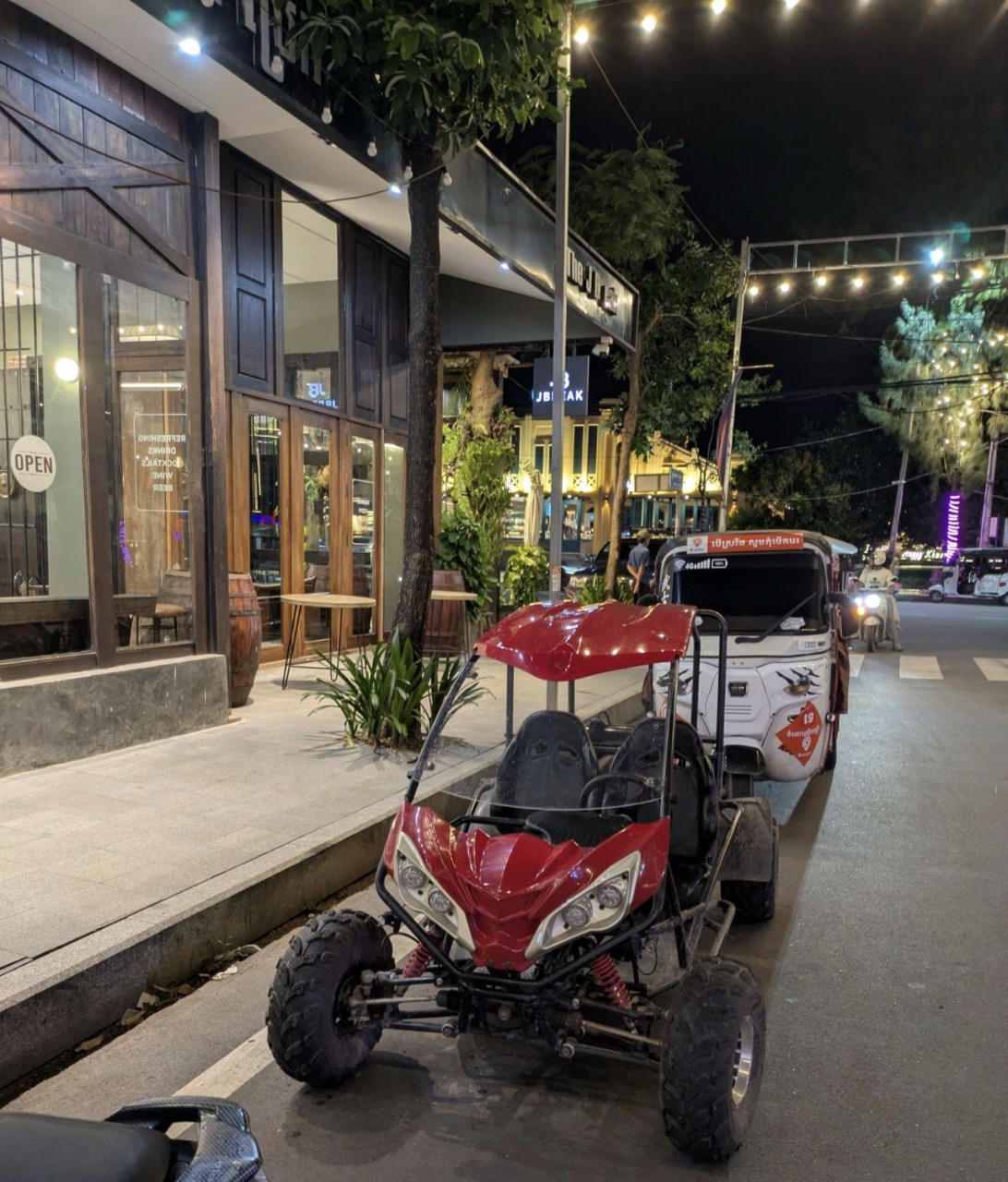
Our Kampot adventures were fairly low-budget, relaxing affairs. But we spotted a few other adrenaline pumping pastimes. For example, you can rent a jet-ski and zoom under Kampot’s bridges, for a cool $120-160 per hour (Cam Sea Jet Ski Rental Tel: 011 38 7777 (Telegram) or 097 822 0577), or rent a quad or buggy and enjoy an offroad tour Kampot Quad Bike Veal Pouch – for $20 an hour. But do watch out for those rainy season potholes!

Kampot Cambodia Buggy Image © Craig Hindmarsh

© Craig Hindmarsh

What I loved (and didn’t love) about Kampot

Kampot looks like a fairly small countryside town on the face of it, but there are many activities and special restaurants to enjoy along the river, or hidden in the jungle. And it remains a place where you can spend as much or as little as you want – with high-end villas complete with pools, to quirky budget hostels where you can meet like-minded travellers. The locals are incredibly friendly, and don’t seem as jaded as some over-touristed parts of Thailand, for example.

 One downside to note is the roads – or rather the people who use them! If you’re using a smaller vehicle (e.g. a scooter) then you will get muscled over by larger vehicles. Additionally, driving skills are poor by European or US standards, so you need to check your mirror constantly, while also watching out for vehicles entering the main roads at speed, not to mention dogs, chickens, and pedestrians! Keep your speed down, but be ready to accelere if the need arises. 

Would I visit Kampot again?

I certainly would. It’s arguably the most laid-back town in Cambodia, yet it has everything you need to have a great time: fun things to do, amazing food, and hospitable locals.

I’ll be back for sure!

Writer Bio: Craig Hindmarsh

Craig enjoys exploring exotic places globally, but has a particular affection for Southeast Asia. He regularly strikes out in search of adventure, wisdom – and excellent coffee.


Author Bio Image Craig


Travel Insurance for Cambodian Adventures

Get a tailored quote to fit the way you explore the world. Visit us online or call us on 01892833338.


Posted in Destination Guide, The places we've been, Travel Tips | Comments Off on Kampot – Cambodia’s riverside idyll: Still fun in the rainy season?

Staycation Travel Insurance: 3 Unusual Reasons You Need It!

What could possibly go wrong on a holiday in the UK that would warrant getting travel insurance? From your dog getting ill the day you are meant to leave for your holiday rental to accidentally losing your luggage in a Cornish harbour, the cost of holiday mishaps and misfortunes can soon add up. We take an alternative look at unexpected holiday risks and see what it could really cost if you don’t have cover!

Scenario 1: The dog gets ill or injured as you are about to leave!

Vets bills aside, the impact of dealing with an unwell dog instead of enjoying your much-earned break could cost you, or rather, lose you money. At such short notice there’ll  be no chance of amending and cancelling your accommodation, whether that means you miss out on a night or two or the entire break is anyone’s guess. 

With the cost of a 4 bed Air BnB in the UK sitting between £250 and £700 a night, that is a lot of holiday you won’t get back unless you have travel insurance that covers it.

A late (or non) arrival to your destination may also impact bookings you have made. Many restaurants charge a non-refundable reservation fee, upwards of £20, and many tickets and tours don’t offer refunds if you can’t make it. Maybe it is a cheap family ticket to an attraction, maybe it is a hefty ticket price for a show – the cost could be anything between £25 to £400 for a family of four.

Potential claim: £700 – £2,500 

Based on a long weekend for a family of 4 with reservations and tour bookings

Scenario 2: Bad weather damages your holiday cottage during your stay

Unlikely, but not impossible, and while the cost of repairs might not be down to you, the incident could leave you out of pocket if you don’t have travel insurance.

Alternative accommodation arrangements cost money, and it needs paying out before any chance of a reimbursement from your original accommodation provider. If that means that the only available accommodation for your family of four is a penthouse hotel suite, you’d want to be able to recover your costs with travel insurance.

Potential claim: £150 – £500 per night

Based on family rooms at low-to-mid-range rural hotels in the UK


Travel insurance for a whole family: a fraction of the cost of a UK break 

And it can protect your holiday investment when things don’t go to plan such as:

Trip cancellations

Missed connections – flights, ferries, and trains

Lost luggage

Personal liability cover

Repatriation within the U

Cover for private treatment and rescue

Missed pre-booked activities, tours and events

Plus, just like its international counterpart, it has a 24/7 helpline to provide assistance and advice when you need it most. Read more about Why You Need Travel Insurance for UK Holidays or go straight to our Staycation Travel Insurance page!


Scenario 3: Your luggage goes overboard in a Cornish harbour

OK, highly improbable, but it has happened to someone before and it will happen again. In the unusual situation that you are transferring to your accommodation by boat and either your luggage is manhandled and goes overboard, or the ride is rough enough to toss it out, you could be looking at a hefty bill to replace your belongings.

For a typical UK holidaymaker, it is estimated that the total value of a suitcase and its contents is somewhere between £1,400 and £2,000, depending on whether you’ve packed your iPhone, airpods, kindle, and camera. But even if your belongings are modest, and you’ve left your Dior and diamonds at home, you could be looking at replacing a lot of everyday items and it all adds up.

Potential claim: £1,400 – £2,000 per suitcase

Based on the average contents of a UK traveller’s suitcase.

Travel Insurance for the unexpected

While these reasons may be far-fetched (some more than others) the uncomfortable truth is that lost luggage, missed bookings, and accommodation let-downs are a common occurrence on UK staycations as much as they are on holidays abroad. 

It could be a family member that gets ill (been there, done that, missed a trip to Iceland, but thankfully Travel Insurance covered the lot), it could be that someone steals your suitcase from the train (I’ve only ever left mine behind, but had to pay for things before it was finally found), it could be that your holiday let was a scam listing (thank fully I have not had to endure this, but I know someone that has), and you have to pay for emergency accommodation.

At the very least travel Insurance buys peace of mind, and in the worst-case scenario, the right cover buys back what you have lost! 

Get an instant online travel insurance quote or call us on 01892833338 to get the cover you need to cover you for the unexpected.


Posted in Travel Insurance | Comments Off on Staycation Travel Insurance: 3 Unusual Reasons You Need It!

North Norfolk – The Summer Staycation of 2026!

Year after year we come back to the North Norfolk coast to start our summer SLOWLY, and believe me, we have found some gems that seem to make time itself stop. If the idea of “just you, me, and the sea” sounds like the holiday from heaven, read on to discover where to head this summer.

norfolk coast image

© Kerry Mccarthy

Why North Norfolk?

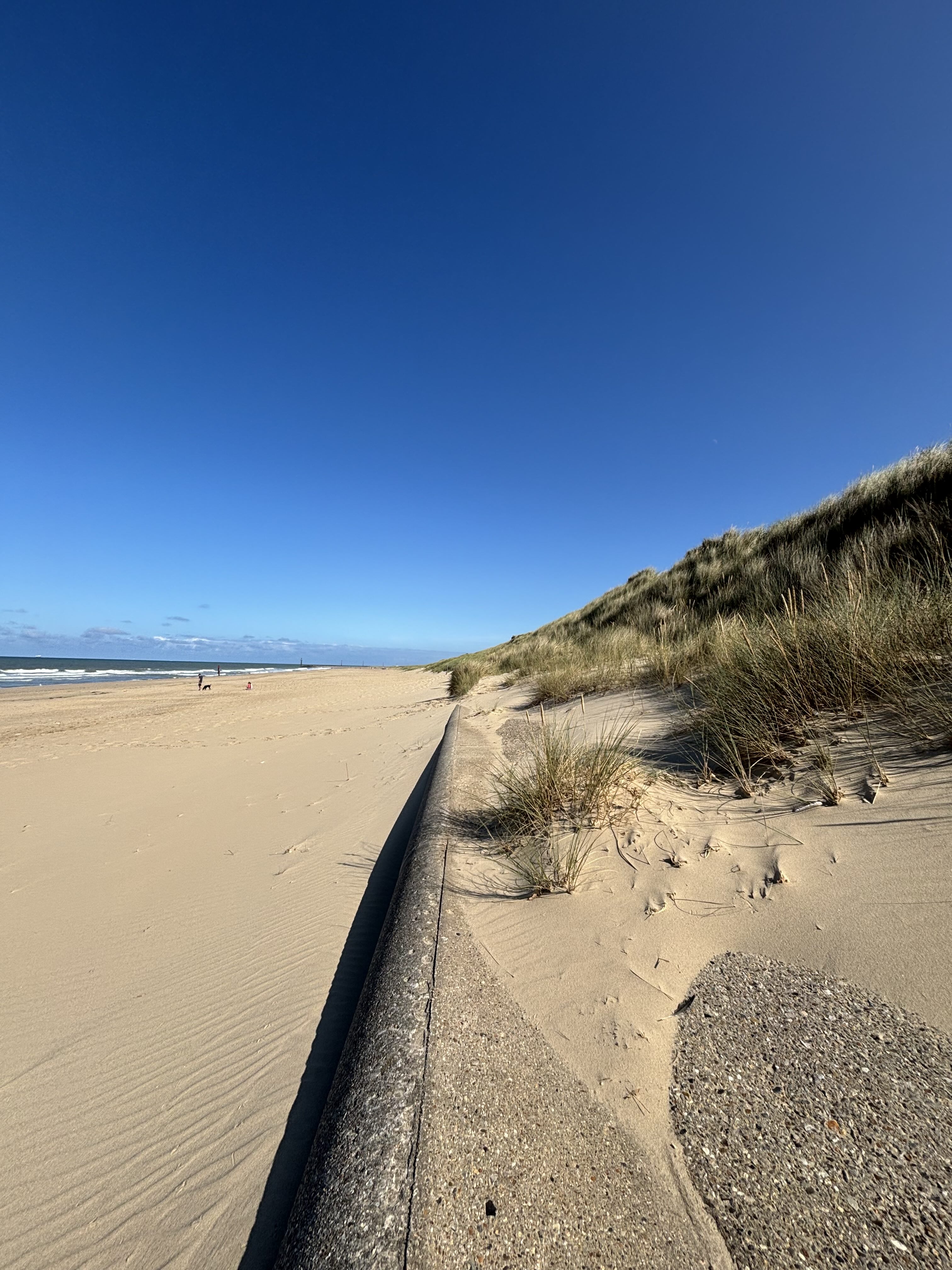
Desolate beaches with seemingly endless stretches of sand sit alongside picture-perfect countryside, and of course the Norfolk Broads. Switching off here is easy, but there are also a wealth of wonderful things to do on a day out if you feel like picking up the pace. 

Where to Stay on the North Norfolk coast

Happisburgh

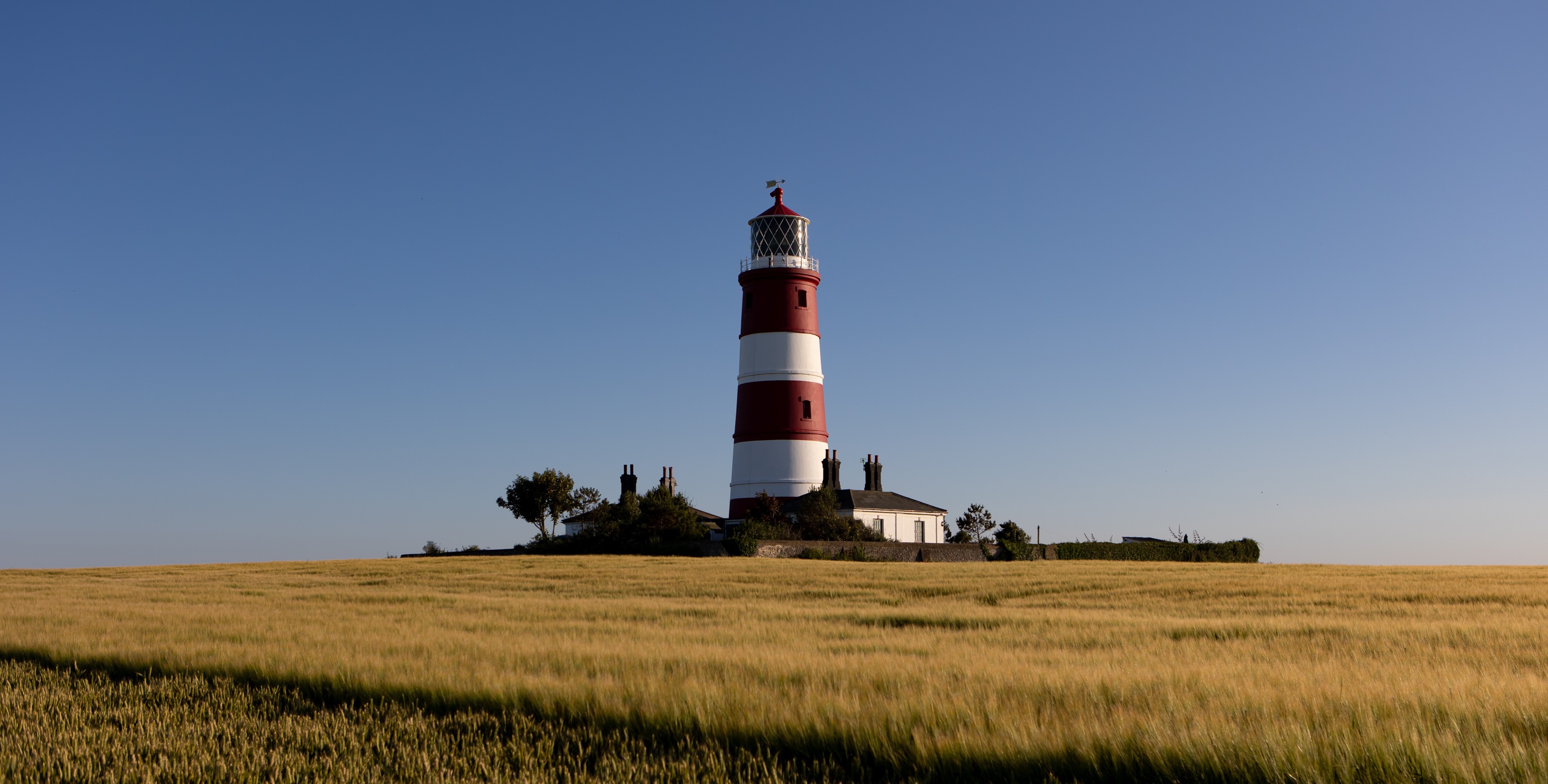
Get here quick because it is falling into the sea! Sadly Happisburgh (pronounced “hazebruh”) is suffering from rapid coastal erosion, but its famous red and white striped lighthouse is still a firm feature of the coastline. Here you will also find a wonderful, and very old, pub with rooms and a restaurant, the Hill House Inn. While we haven’t stayed here, we have had a fair few sunny pints and decent pub grub under its ancient beams. 

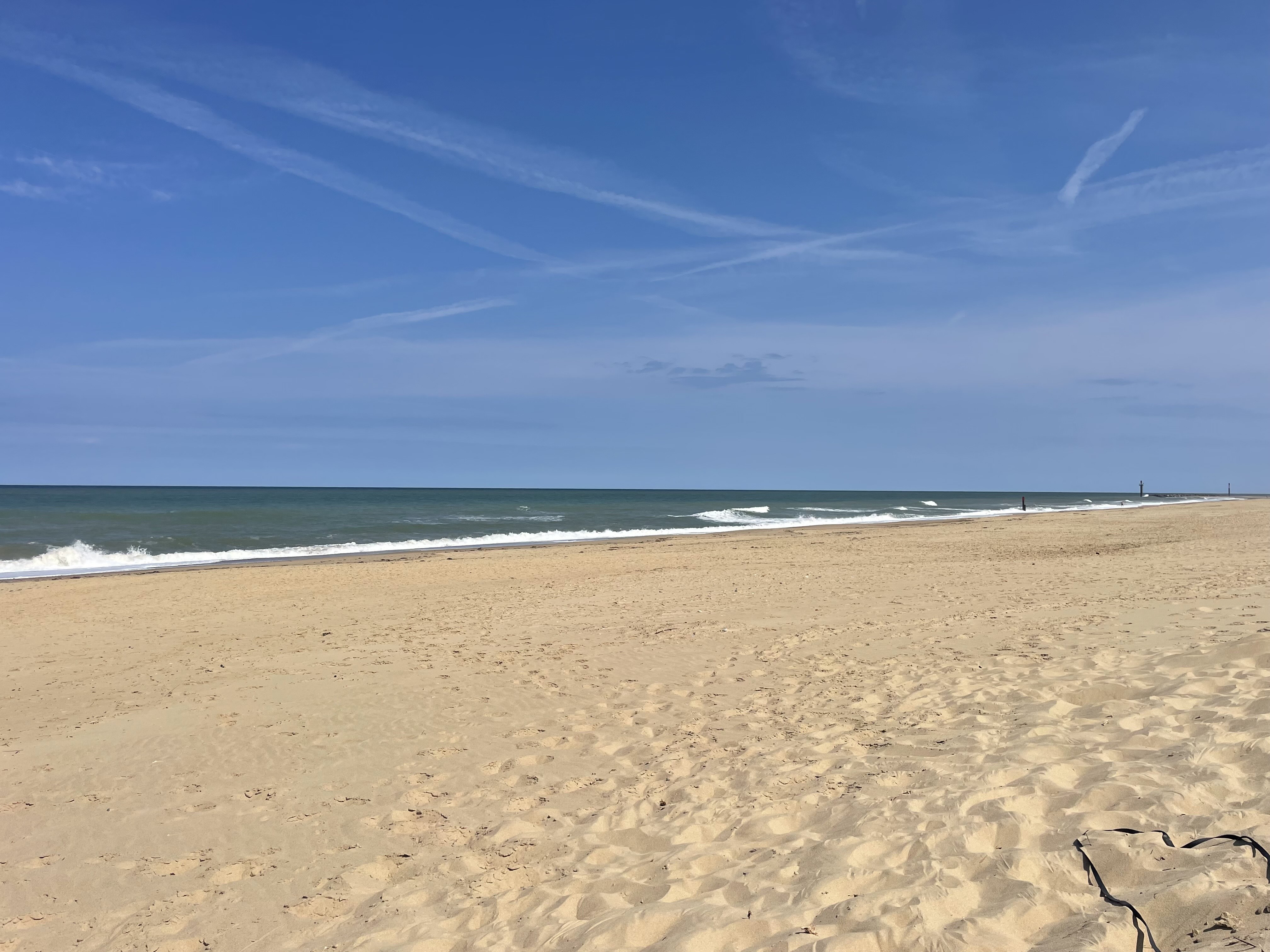
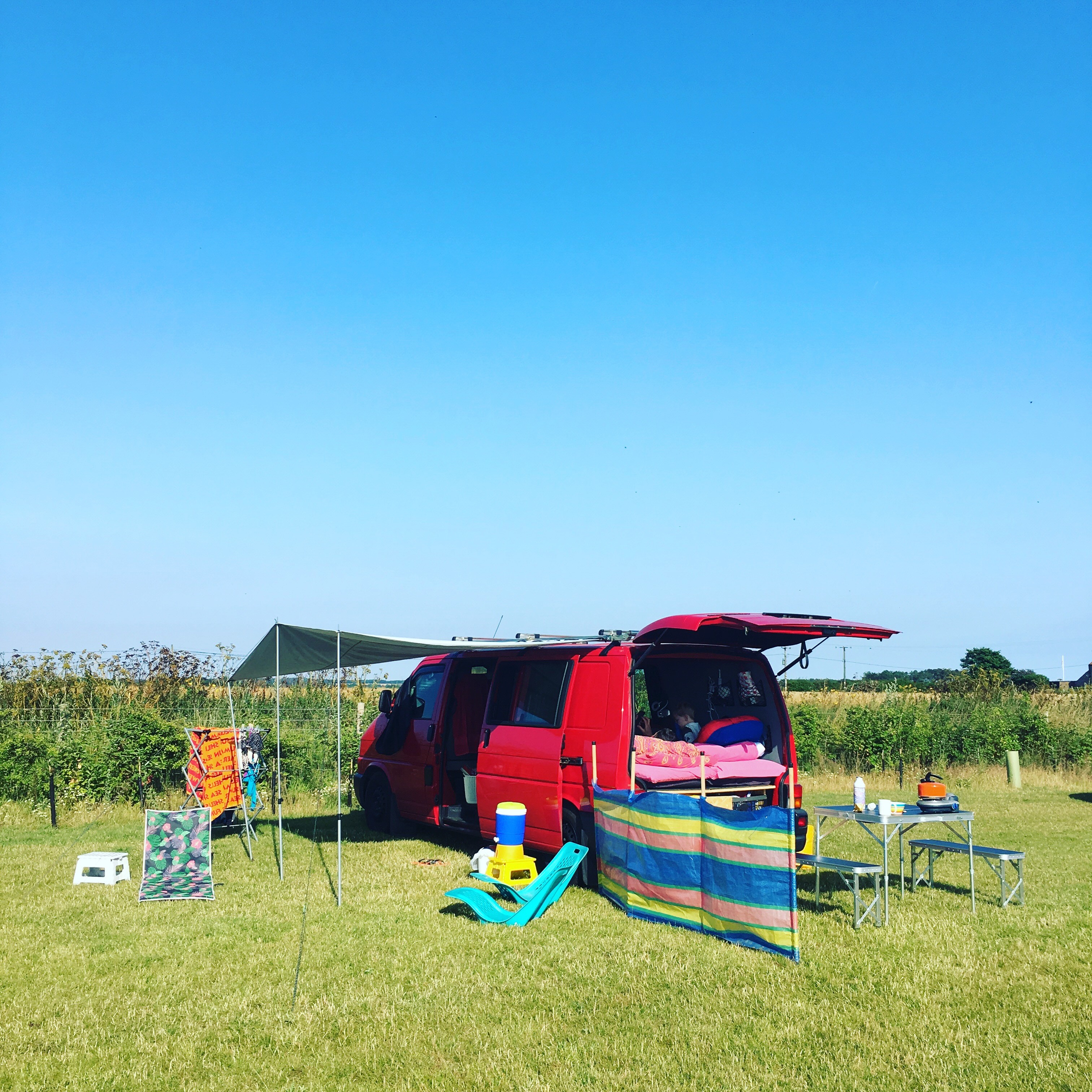
Manor Caravan Park has been home on a couple of occasions, which offers up peaceful pitches for camper vans and tents, and is a short walk from the beach. The beach is expansive, sandy, and has a near-by car park and play park where you can find an ice cream van at busier times of the year.

Eccles-on-sea

A fabulous little place where chalets are clustered in the Bushy estate, and run along behind the sand dunes for a more reclusive retreat. Eccles sits right on the coastal path, and although just a little way down the coast from Happisburgh is well protected from coastal erosion. There are no shops, cafes, or restaurants, and its peacefulness can be put down in part to there being no public parking. You’ll have to get here by foot, by bike, or have a place to stay to be able to reach the beach.

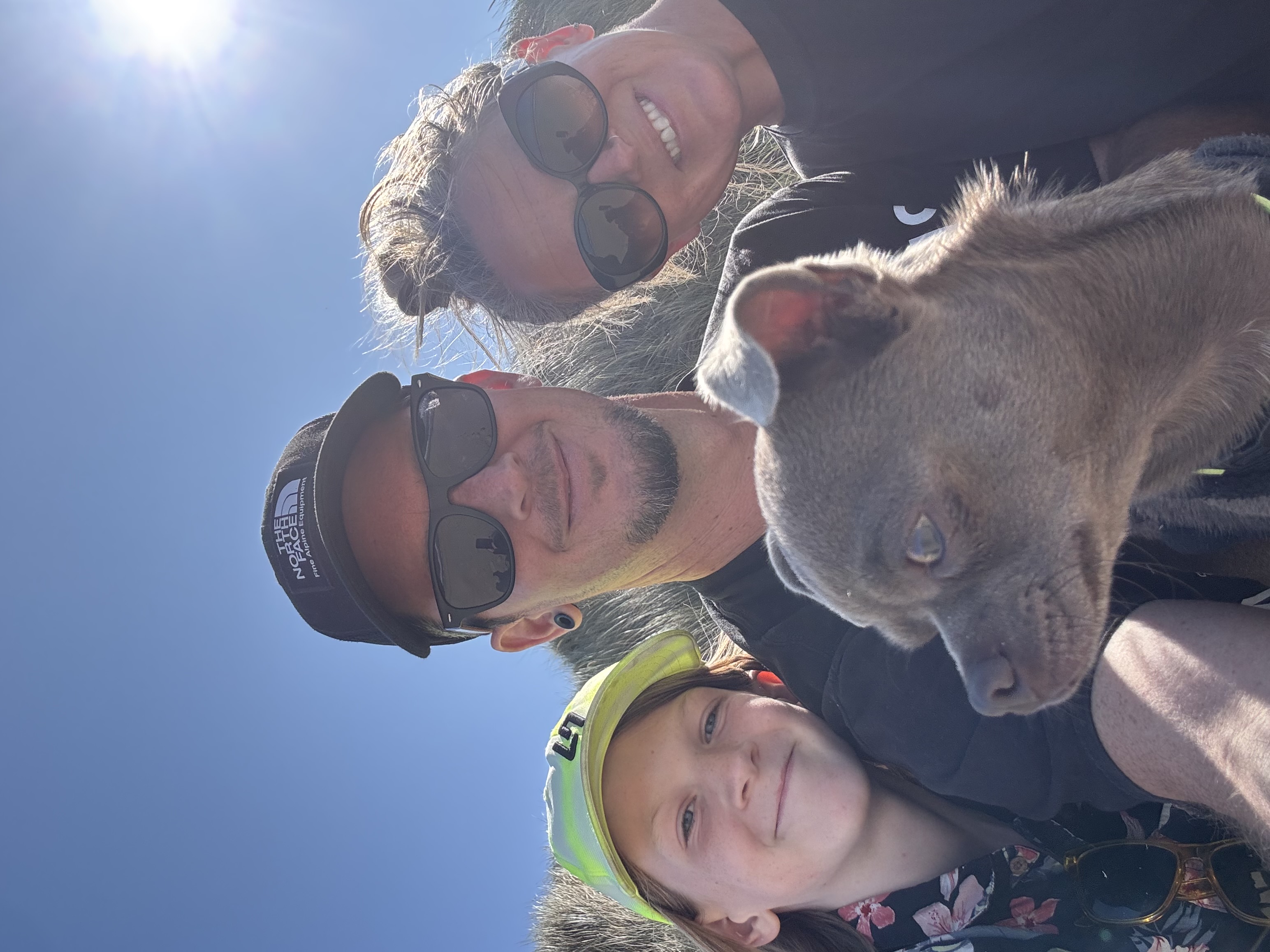
Again, expansive sand, but this time backed by shifting dunes. The coastal path runs along the other side, providing a protected path to explore a little stretch to Sea Palling one way, about 5km, and Happisburgh the other, about 2.5km. We rented an airbnb opposite steps to the beach. Starting each day with a climb over the dunes, dropping down the other side for a day at the beach was simply divine!

Kerry McCarthy is a Writer and Artist who loves to travel. You can find out more about her adventures over on instagram at @kerrymccarthystars

© Kerry McCarthy

Sea Palling

The village itself offers up a busier experience for visitors, but is by no means a packed place to go! The Lifeboat Tavern is great for food and drinks, you’ll also find a chippy, seaside “tat” shop, plus a place selling donuts and hot dogs. Entertainment is a mini-arcade and a couple of trampolines. 

Most people come here to SURF! The beach has a lifeguard, but a little way along, further up towards the peacefulness of Eccles the bays offer up much better waves, and far fewer people.

Waxham Sands

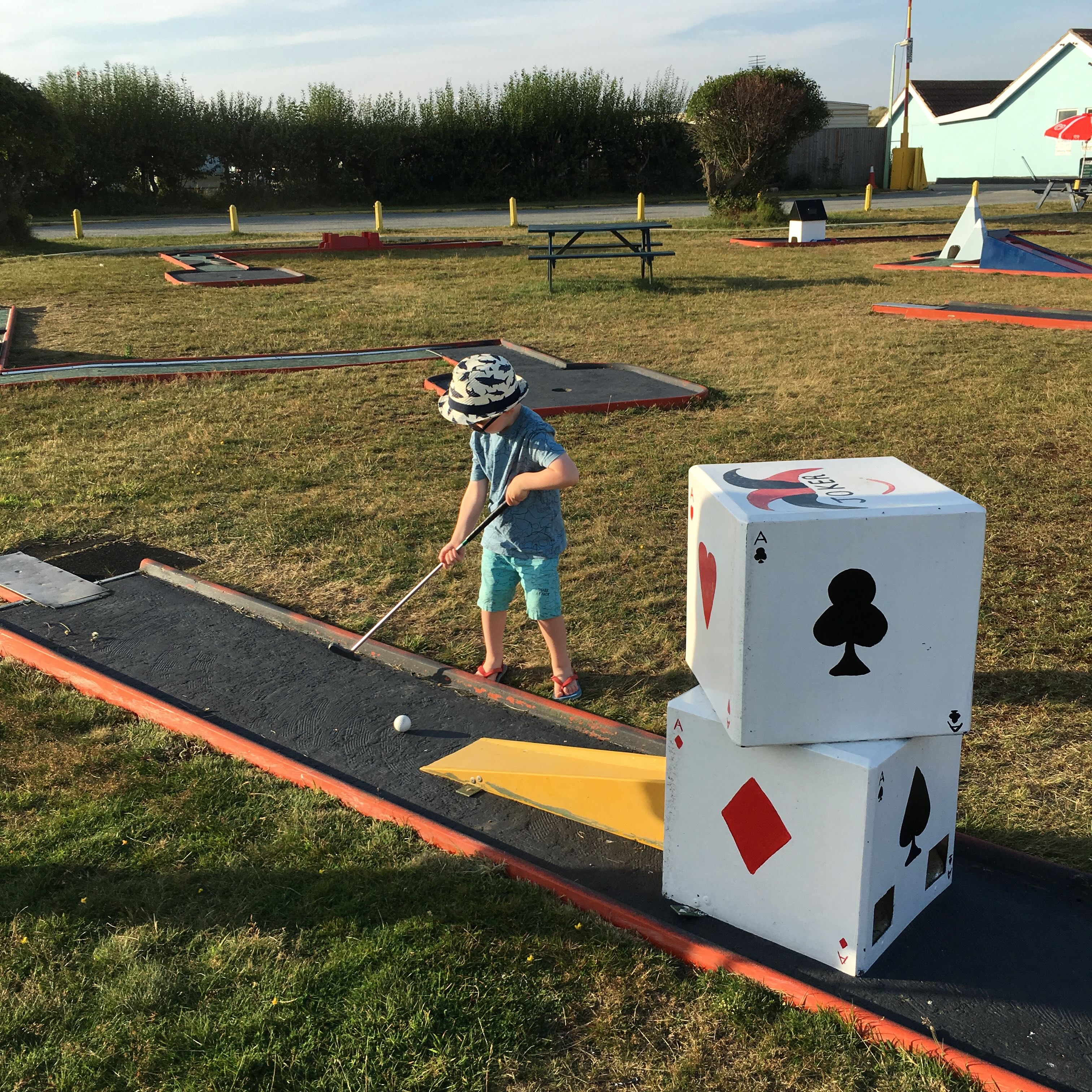
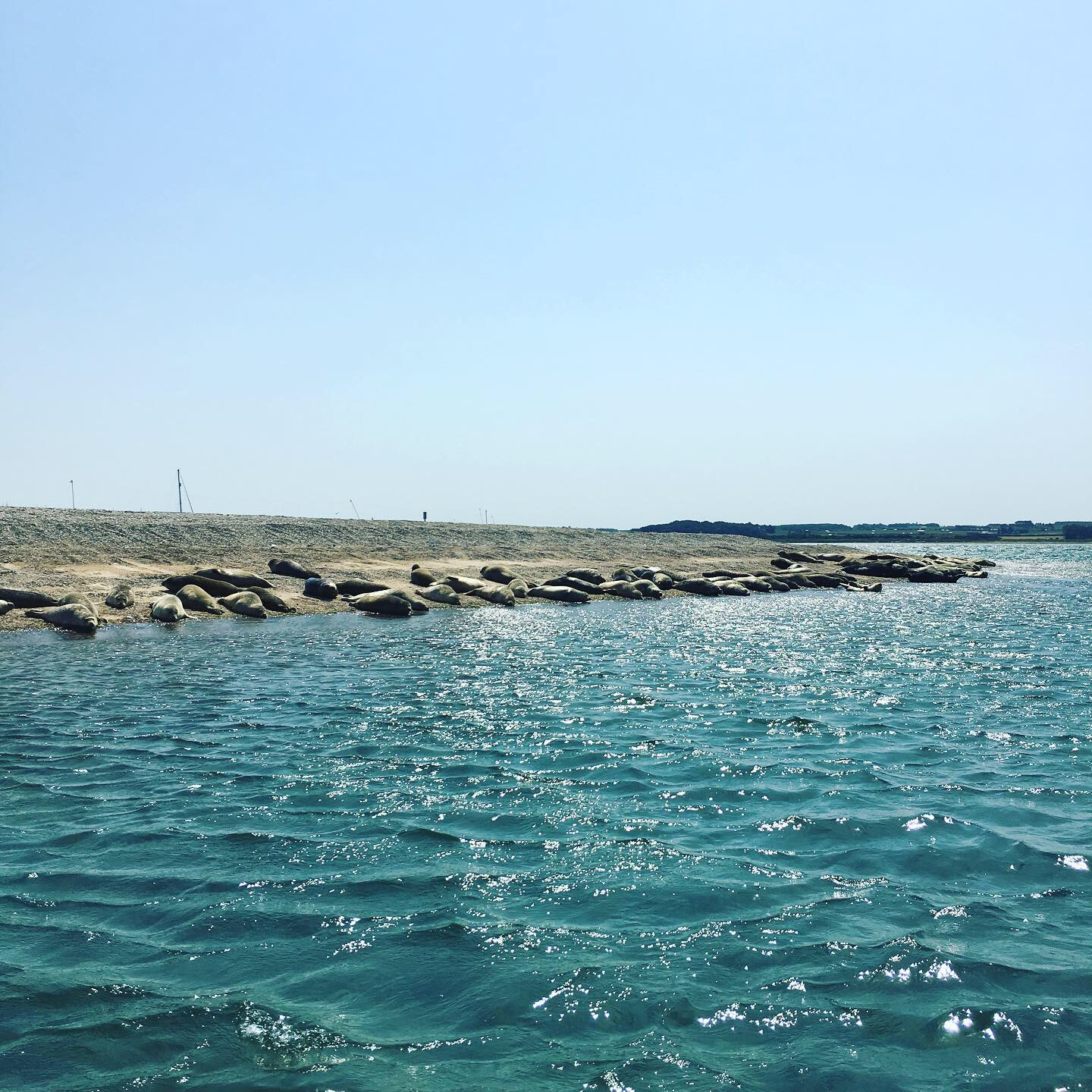
We came here to camp, see some seals, and play a bit of crazy golf! Again, the sandy shores go on for miles, with very few people even during the height of summer! The high point of this trip was watching all the seals that come to bathe on the beach – they are huge in number, big in size, and it is a breathtaking experience that really connects you to nature. 

While seals are present all along the coast, Waxham Sands has been  the only place we saw them in great numbers on the shore rather than bobbing about at sea. Ironically this was the break where we also booked a tour with Beans Boats to see seals at Blakeney Point. It was still well worth it, especially as we had time to get off the boat and explore the coast!

waxham north norfolk image

© Kerry McCarthy

Wells-next-the-Sea

Further north than this cluster of coastal delights you’ll find Wells. It has a proper holiday home caravan park, plenty of bricks and mortar holiday rentals, a town with very “boujie” shops, and very good eateries to choose from. While it isn’t the switch-off that we usually look for, we have camped on the outskirts at Blue Skies Campsite and made some day-trips to “civilisation”.

Wells sits at one end of the famed Holkham beach and nature reserve, a 4-mile long sandy beach where the receding tide never gets deep. It does however transform into a mud-flat, beware of getting stuck as the tide comes in!

camping north norfolk image

© Kerry McCarthy

Wellness retreats in Wells

While a laid-back break by the coast is a great way to re-charge, the North Norfolk Coast also attracts wellness escapes for a deeper switch-off.  If yoga flows, cacao circles, breathwork, and meditation floats your boat then a wild weekend away (of the wellness sort) might be just what you are looking for. One upcoming yoga retreat, nestled between the wonderful Wells and Holkham promises that you’ll step into a space of quiet, grounding, and restoration on a 3-night luxury escape, complete with wholesome food and hot tubs. 

What to do during your stay

Blakeney Seal Trip – We toured with Beans Boats, a long-established Blakeney Point ferry operator who offer a wonderfully informative tour of the area and the wildlife here. 

seals north norfolk image

© Kerry McCarthy

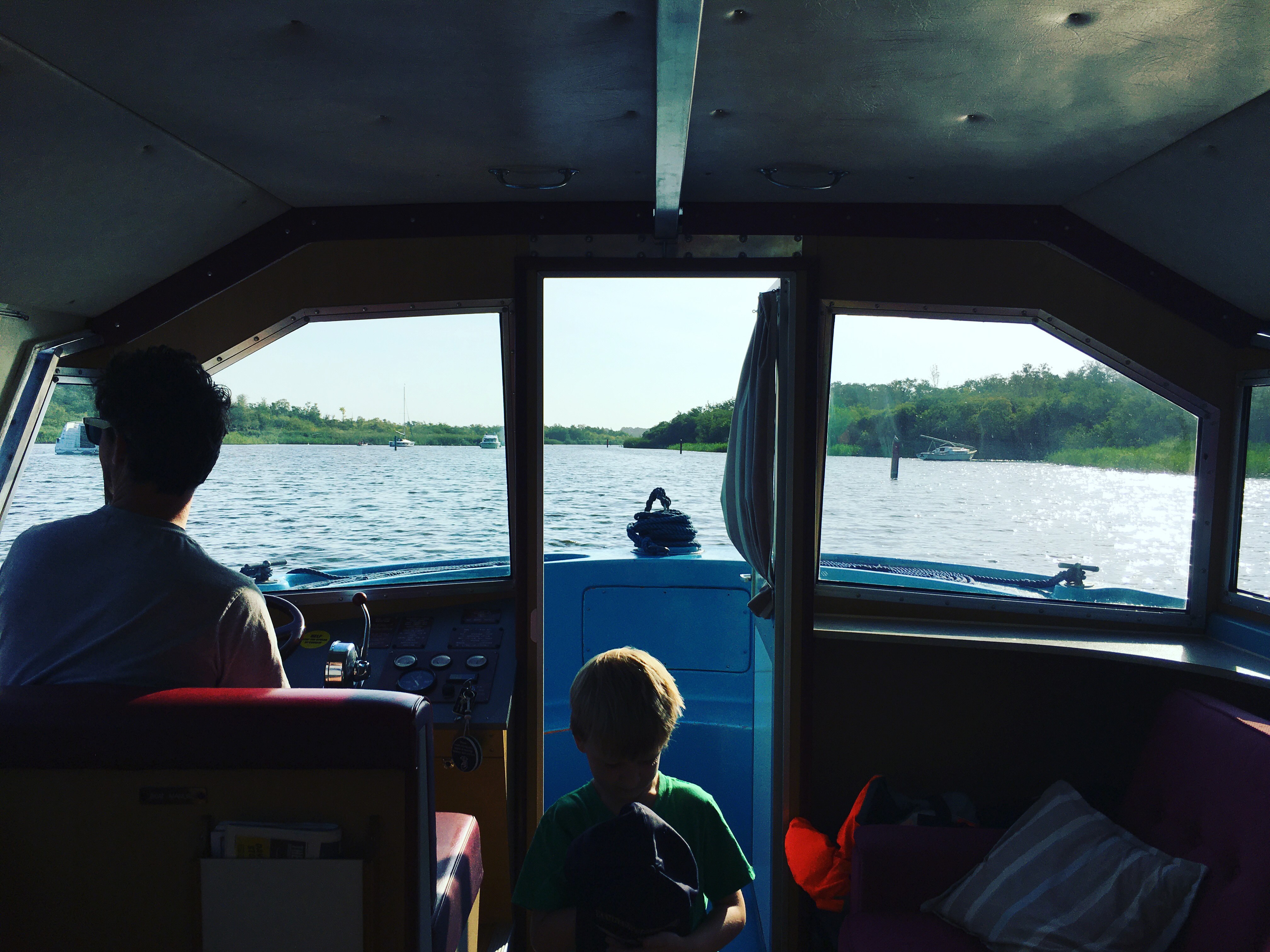
Norfolk Broads – While this can be a holiday in itself, one which we have done a couple of times before, hiring a boat for a day or doing a trip along the broads is a great way to spend time in this beautiful place at a laid back pace. We hired from Richardstons, located in Stalham. Learning the ropes is fairly quick, and they cater for all levels of sailor, including entry level novices like us!

norfolk broads image

© Kerry McCarthy

Wroxham Miniature Worlds  –  A miniature world of wonder where you can enjoy miniature railways and a whole host of crazy exhibitions and collections all under one roof. Highlights include a collection of 18,000 matchbox cars and a knitted miniature diorama of Great Yarmouth! 

Wells and Walsingham Light Railway – Located right next door to Blue Skies Campsite, this is a cute little way to spend some time exploring the area between Wells and Walsingham. The 10¼” gauge WWLR has the acclaimed title of being the world’s smallest public railway! Trips are 30 minutes long each way.


Travel Insurance for Staycation Adventures

Fantastic summer holidays deserve fabulous travel insurance. Get a tailored quote to fit the way you explore the world. Visit us online or call us on 01892833338.

Travel Writer Bio – Kerry McCarthy

Kerry McCarthy is a Writer and Artist who loves to travel. You can find out more about her adventures over on instagram at @kerrymccarthystars

Kerry McCarthy Bio image

© Kerry McCarthy


Posted in Destination Guide | Comments Off on North Norfolk – The Summer Staycation of 2026!

South Korea – Skincare, Street Food & Soulful Adventures

South Korea is a fascinating place to explore, balancing modern city life with rich history and tradition. From neon-lit shopping streets and endless skincare stores to peaceful temples overlooking the sea, this ten-day trip blended culture, relaxation, shopping, and incredible food. Whether we were wandering through royal palaces in Seoul or unwinding in a jjimjilbang in Busan, every day brought something new. 

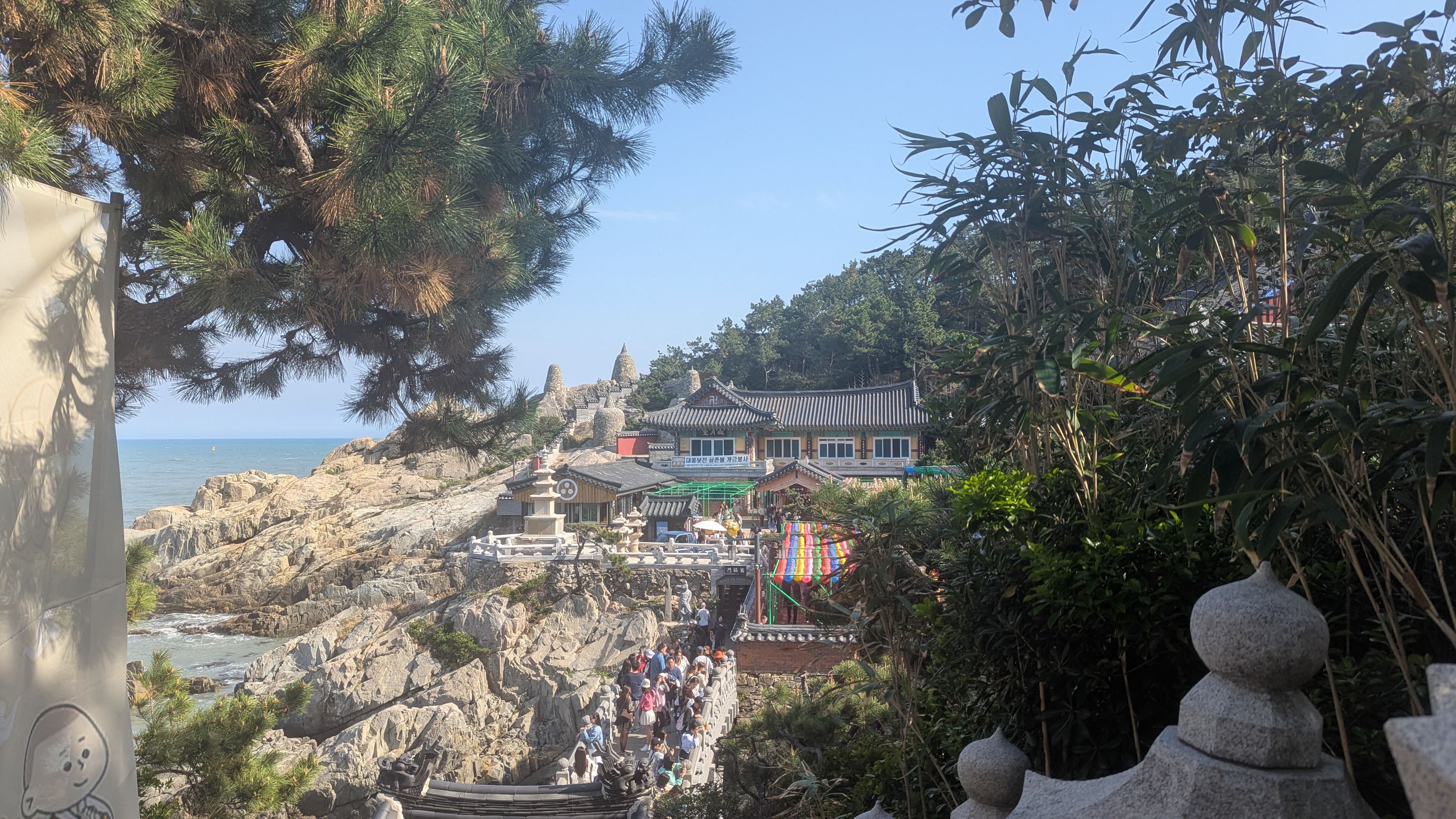
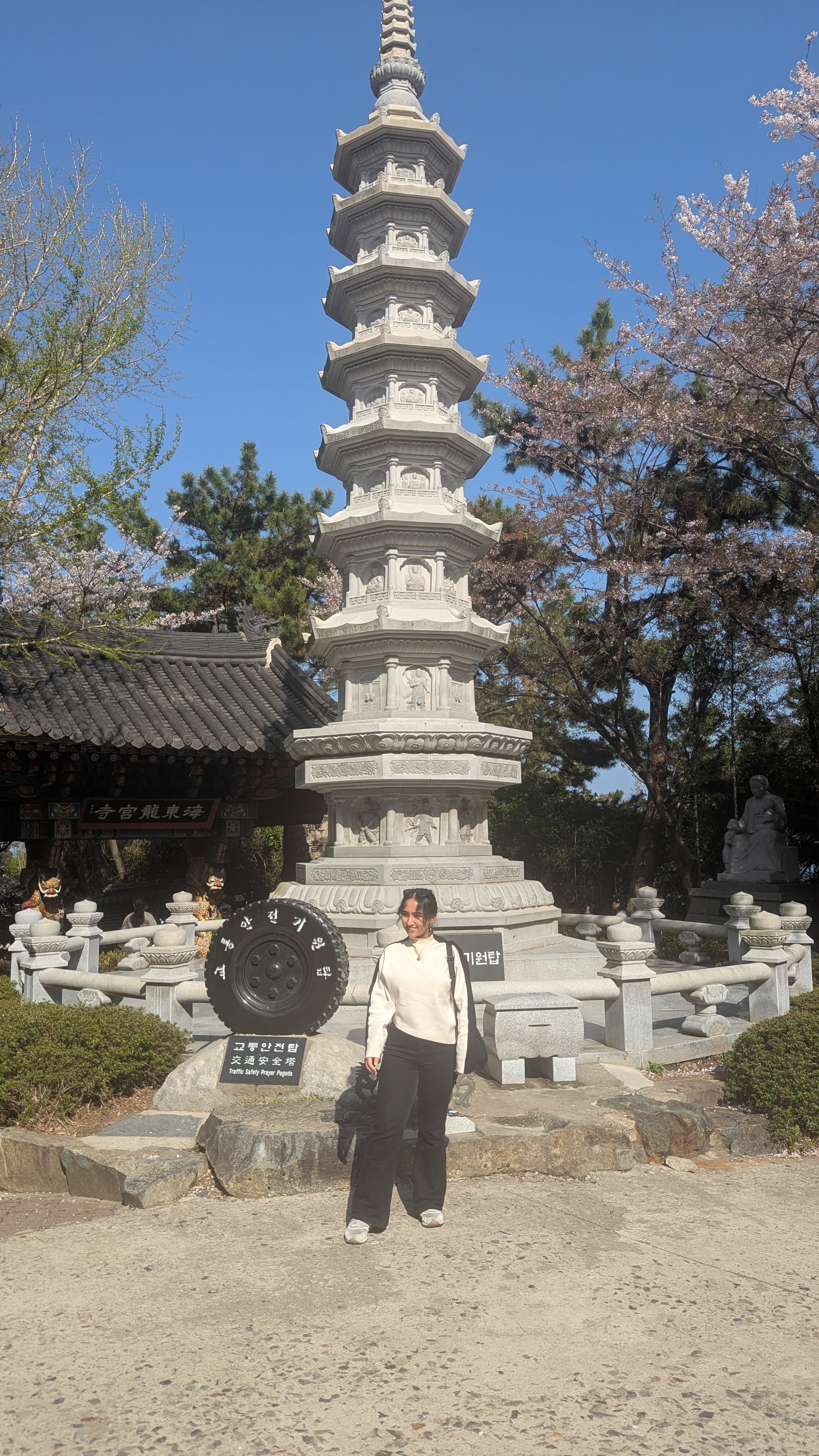
Temple in Busan South Korea Image

Temple in Busan © Simran Kabotra

Why South Korea?

We chose South Korea because it offered a bit of everything we love: amazing food, efficient public transport, shopping, skincare, history, and vibrant city life. And of course — skincare. If there’s one thing Korea does exceptionally well, it’s beauty and skin treatments.

  •     Who went: 2 adults
  •     When we travelled: 2026
  •     Where we travelled from: London Heathrow Airport (LHR)

Where We Stayed In Seoul

We stayed at Weco Stay Insadong in Seoul. The location was perfect for exploring the city, tucked between the traditional charm of Insadong and the lively shopping streets of Myeongdong. The apartment was modern, comfortable, and well-connected to the subway, making it easy to get around.

For our Busan stay, we stayed in an Airbnb in Seomyeon, which turned out to be an excellent base. Seomyeon had everything — shopping, restaurants, cafes, nightlife, and easy transport connections. It felt energetic without being overwhelming and made travelling around Busan incredibly convenient.

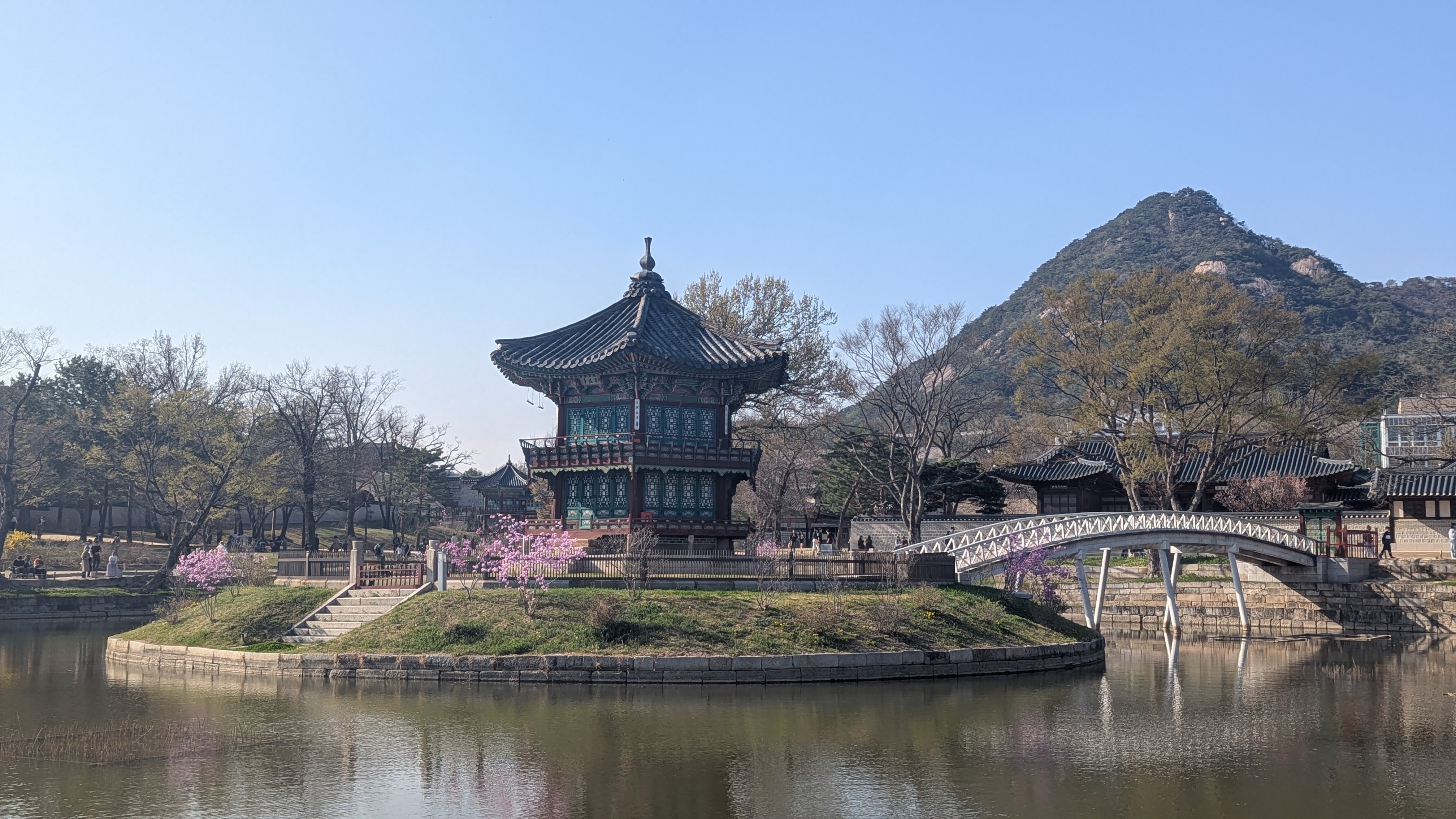
Palace in Seoul South Korea Image

Palace in Seoul © Simran Kabotra

Things To Do In South Korea

South Korea offers such a variety of experiences that no two days ever feel the same. One morning, we’d be exploring ancient palaces, and by evening, we’d be shopping for skincare or eating street food under glowing neon signs.

Here are a few of our favourite things we did:

Exploring Seoul

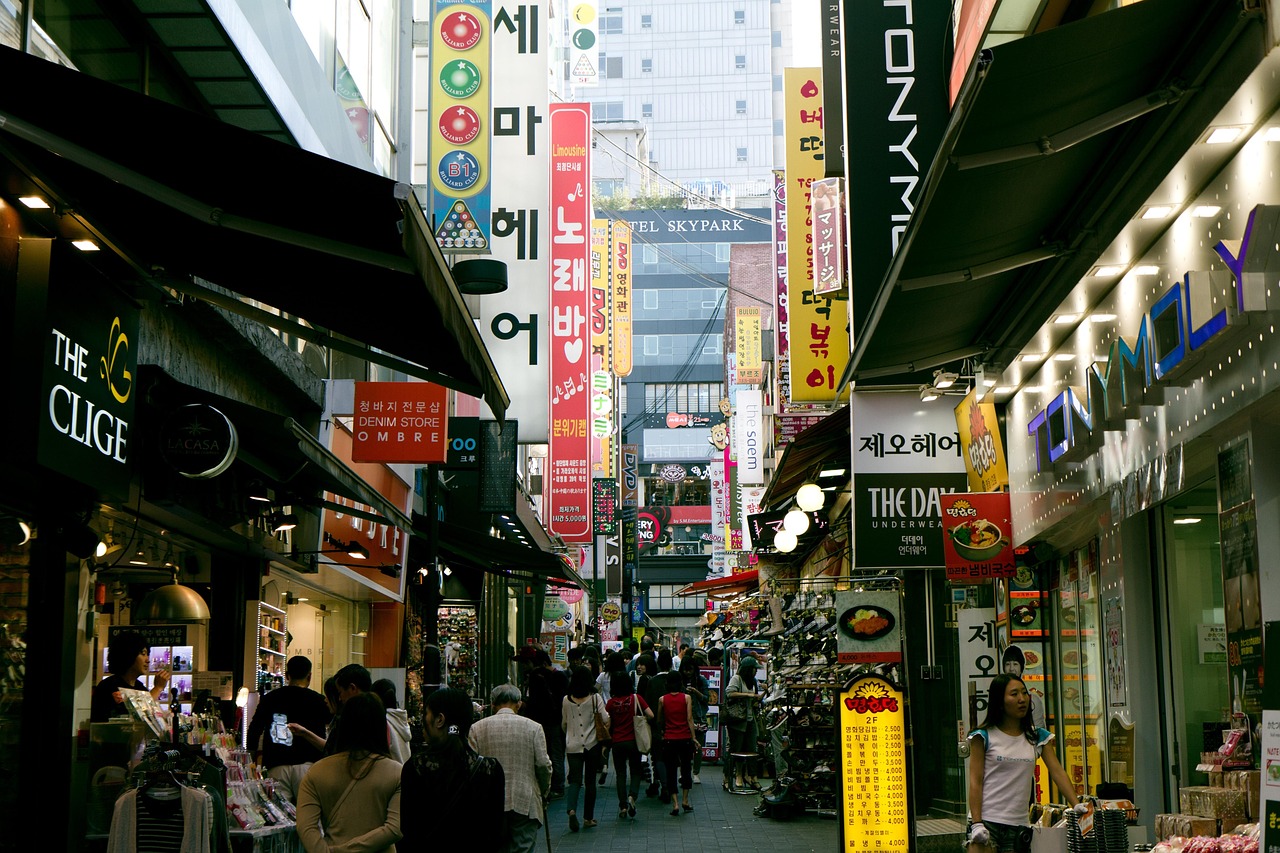
One of the best things about Seoul is how different each neighbourhood feels. Myeongdong was buzzing with skincare stores, shopping, and street food, while Gangnam felt sleek and luxurious with designer boutiques, high-end cafes, and polished shopping streets. Seongsu, meanwhile, was effortlessly cool — full of exclusive pop-up stores, flagship fashion shops, and stylish locals.

Gyeongbokgung Palace & The National Museum of Korea

Visiting Gyeongbokgung Palace gave us a glimpse into Korea’s royal history and offered a peaceful contrast to Seoul’s busy streets. We also loved the National Museum of Korea, which helped bring Korean culture and history to life in a really engaging way.

AREUKE SPA Skin Analysis & Facial Treatment

One of the highlights of the trip was visiting AREUKE SPA in Hongdae for a detailed skin analysis and facial treatment. They analysed our skin, emailed personalised results, gave recommendations, and included free skincare samples. I also tried the T-Plasma facial repair treatment, and my skin stayed hydrated and glowing for nearly two weeks afterwards!

Spa Land & The Jjimjilbang Experience

Spa Land in Busan was one of the most relaxing experiences of the trip. After days of walking, spending an evening in the jjimjilbang with saunas, heated rooms, baths, and relaxation spaces felt amazing. We also loved winding down afterwards with arcade games, ramen, and snacks, which made the experience even more memorable.

Haedong Yonggungsa Temple & Busan Coastal Views

Haedong Yonggungsa Temple was very peaceful, sitting dramatically beside the sea with waves crashing below. We also loved exploring Busan’s coastline through the Sky Capsule ride and wandering around the colourful Gamcheon Culture Village. Busan is easy to navigate independently, so you definitely don’t need a tour to explore it.

What We Ate In South Korea

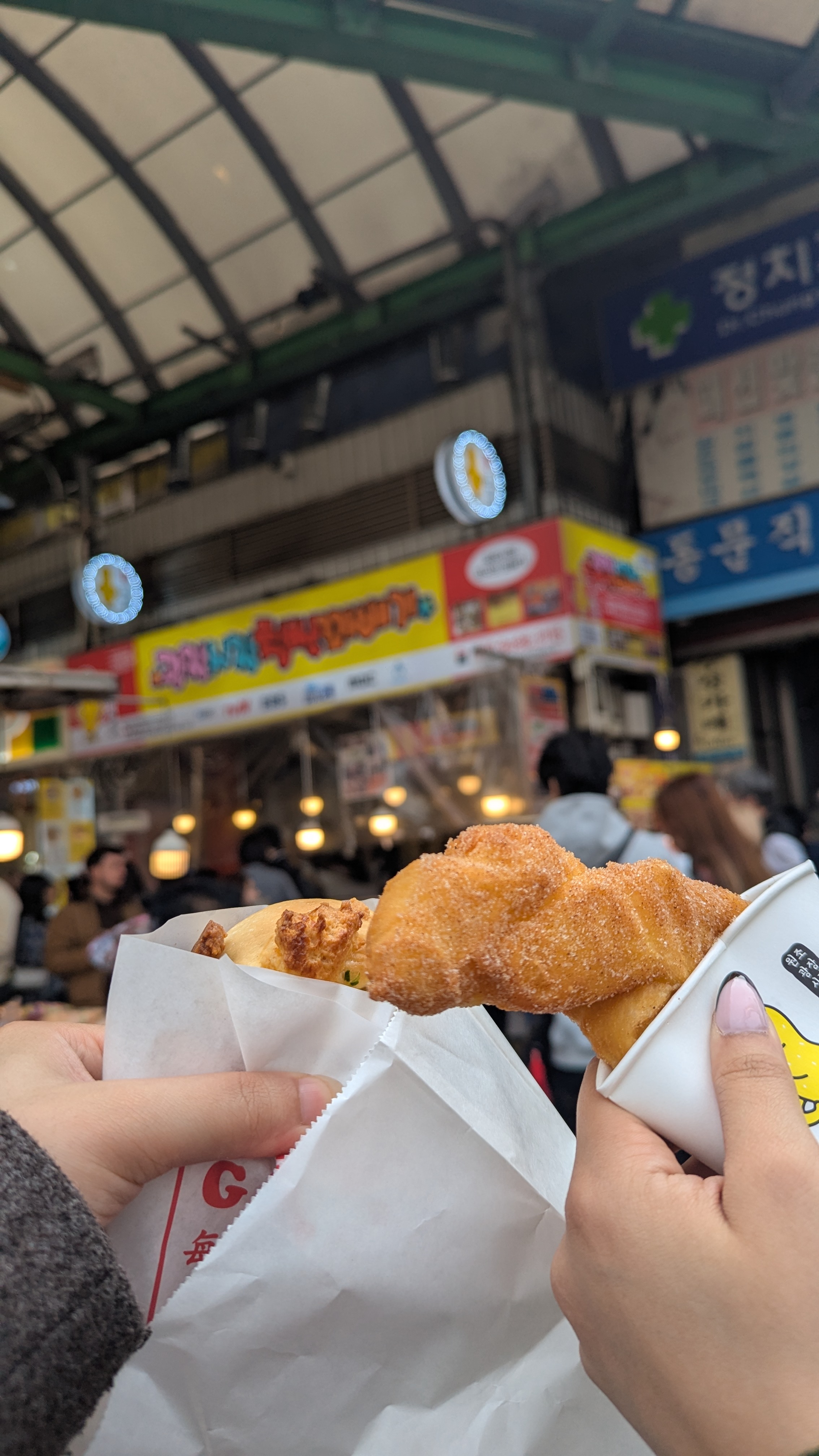
 We were constantly snacking because there was always something tempting nearby. Rather than formal sit-down meals, we often gravitated towards street food and convenience store snacks, which quickly became part of the experience itself.

Here are a few of our favourites:

  •     Korean Corn Dogs – Crispy, cheesy, slightly sweet, and somehow even better than expected. Perfect while wandering through busy night markets.
  •     Hotteok – Warm, sweet pancakes filled with syrupy brown sugar and nuts. Easily one of the best street snacks we tried.
  •     Japchae – Sweet glass noodles stir-fried with vegetables and sesame oil. Light, flavourful, and something we kept going back for.
  •     Iced Coffee & Drinks – We loved grabbing iced Americanos paired with banana milk, peach iced teas, and sweet iced coffee drinks while exploring.
  •     Convenience Store Ramen – Korean convenience stores deserve their own appreciation section. Late-night ramen runs became part of our routine, alongside grabbing kimbap and snacks.


Street food in Seoul South Korea Image

Street food in Seoul © Simran Kabotra

What To Love (And Not To Love) About South Korea

What to love:

The skincare culture is unmatched. From beauty stores to professional skin treatments, Korea genuinely feels years ahead in skincare innovation. The transport system is efficient. Once you get a T-money card, travelling around Seoul and Busan becomes extremely easy and affordable. Every neighbourhood feels completely different, which keeps Seoul exciting to explore.

What not to love:

The flights are long, especially with layovers. Google Maps works poorly in Korea, which can initially be frustrating if you haven’t downloaded Naver Maps beforehand. There can occasionally be language barriers outside tourist-heavy areas, though learning a few common Korean phrases goes a very long way and is always appreciated by locals.

Would I Go To South Korea Again?

 Absolutely! South Korea felt exciting, varied, and incredibly easy to explore. From royal palaces and seaside walks to skincare shopping and late-night street food, every day offered something different. Busan’s slower pace balanced Seoul’s energy perfectly, making the trip feel both relaxing and memorable.

Travel Writer Bio

Simran Kabotra is a writer, avid reader & crocheter who loves travel. She has travelled across Southeast Asia and is currently searching high and low for new adventures, beautiful landscapes and rich history. 

Busan Temple South Korea Image

Busan Temple South Korea © Simran Kabotra


Travel Insurance for Lifelong Adventures

Fantastic adventures deserve fabulous travel insurance. Get the right Travel Insurance for visiting South Korea. visit us online or call us on 01892833338.


Posted in Destination Guide | Comments Off on South Korea – Skincare, Street Food & Soulful Adventures

South Korea Travel Insurance: Know Before You Go!

South Korea is considered a low-risk destination, but don’t let that fool you into thinking you can skip travel insurance. Lost luggage, delayed flights, a twisted ankle on a mountain trail or an unexpected hospital trip can quickly turn your expensive dream holiday into one that breaks the bank. Here’s what to look for before you hit “buy” on a travel insurance policy.

Medical insurance cover should be the priority

South Korea has an excellent healthcare system, but treatment isn’t free for visitors. Look for a policy with at least £5 million in emergency medical cover, emergency medical evacuation, and repatriation. While medical evacuation is unlikely in major cities like Seoul or Busan, repatriation following a serious illness or accident can cost tens of thousands of pounds, not the sort of costs you’d never want to pay yourself.

Fun Fact: Travel Insurance from worldwideinsure.com comes with access to a 24/7 multilingual helpline as standard. That means if you need translation help during a medical emergency, we will be right by your side when you need it most.

Protect your tech with gadget insurance

You’ll probably be travelling with a phone, wireless earbuds, an e-book, maybe a camera, a laptop or tablet and enough chargers to open a small electronics shop. And it will take the days takings of one to replace everything should it be lost, damaged, or stolen!

Check your travel insurance policy for single-item limits as well as overall baggage cover. A £2,000 baggage allowance sounds generous until you discover it only pays £300 for one lost phone. You may want to upgrade your travel insurance to provide more specific cover, or get dedicated gadget insurance for your trip. But until you check, you just won’t know!

Check all your planned activities are covered 

If you’ve got plans to tackle scenic trails, hit the surf, hire a scooter, or fly through the sky paragliding, you need to check that your travel insurance covers these activities. And you need to advise your policy provider that you’ll be doing them as some policies exclude certain sports unless you’ve declared them or paid for specific cover.

Fun Fact: Our travel insurance covers a whole host of adventurous activities as standard. Others can be added when buying your policy. From Abseiling to Zorbing see what sports and activities our travel insurance covers! 

Get cancellation and curtailment cover

Long-haul holidays don’t come cheap. Between flights, hotels, tours and airport transfers, you’ve probably invested quite a bit before you’ve even packed your suitcase.

Good cancellation cover means you’re protected if illness or another unexpected event stops you travelling, while curtailment cover helps if you need to head home early.

Find out what to do in South Korea! A feet-on-the-ground review of a ten-day trip that blended culture, relaxation, shopping, and incredible food

Tips to avoid a travel insurance claim

Stay safe

The great thing about South Korea is that crime levels are generally low, and many visitors comment on just how safe they feel walking around, even in the evening.

That doesn’t mean common sense goes out the window, though. Keep an eye on your belongings in busy shopping districts, avoid leaving valuables unattended in cafés, and don’t carry more cash than you need.

If you’re enjoying Korea’s famous nightlife, remember that drinking too much can sometimes affect an insurance claim if alcohol contributed to an accident. Enjoy the soju, but know your limits.

Be weather-wise

In South Korea summer is hot, humid and can bring heavy rain or even typhoons, while winters can be surprisingly cold with snow and icy conditions. Pack for the season you’re visiting and keep an eye on weather forecasts if you’re planning outdoor adventures. Finally, always tell someone where you are going so they can send help if you don’t return as expected.

Get apps to make your trip smoother

Avoid getting lost, taking a ride with an unlicensed provider, or wandering into dangerous areas with these essential apps for South Korea:

  • Naver Map – often more accurate than Google Maps in South Korea
  • Kakao T – great for booking taxis
  • Papago – brilliant for translating signs, menus and conversations

The biggest mistake many travellers make is assuming that because South Korea feels incredibly safe, basic insurance is enough. A good policy should focus on comprehensive medical cover, protection for expensive electronics, and any adventure activities planned. 


Make sure that your only worry is figuring out how many skincare products you can squeeze into your suitcase on the way home! 

Get an instant online travel insurance quote or call us on 01892833338 to get the cover you need for your South Korean adventure.


Posted in Travel Insurance | Comments Off on South Korea Travel Insurance: Know Before You Go!

Travelling off the beaten path? Avoid these common travel insurance mistakes!

Whether you like to visit unusual destinations, remote parts of the world, or places regarded as hot-spots for dark tourism, you need to pay extra attention to the validity of your travel insurance. We highlight key considerations so you know what to ask your provider to ensure you have adequate cover.

image of hiker out Everest

CC0 via pixabay

Travel insurance for destinations with FCDO travel warnings

The UK Government issues foreign travel advice for destinations worldwide. Some destinations come with environmental warnings, such as risk of landslides or earthquakes, social warnings such as crime, and political warnings such as civil unrest or war. Depending on the severity of risk the location will show as one of the following three:

  1. No Advice Against Travel (Safe to Travel) – Normal risk-levels where the usual precautions should be taken. Make sure you get adequate travel insurance.
  2. Advice Against All but Essential Travel – There are known serious risks to safety, only go if the trip is critical for business or there is a family emergency. Be warned: Travelling against this advice will typically invalidate standard travel insurance.
  3. Advice Against All Travel – The threat to your safety and security is unacceptably high. If you choose to travel expect a total invalidation of your travel insurance policy and accept that access to consular assistance will be either non-existent or very limited.

Travel insurance for remote areas

There are a number of risks that you need to be aware of when travelling to remote regions. Being aware of them means you can make decisions to mitigate risk or accept that there are some situations where help will not be readily available. You must declare these risks to your travel insurance provider.

Remote locations usually have limited emergency access. Know beforehand what is and isn’t available where you are going and pack supplies and equipment to keep you safe and well.

Rural emergency response times abroad can be very slow. Check how many hours, or even days you may be away from medical assistance if required. It’s all well and good getting a rabies shot, but if you are more than 2 days away from a hospital, you won’t get the help you need in time.

Lack of reliable communication could affect your trip, especially if your trip does not go to plan. Again, knowing the risks ahead of time can make a big difference to your safety. Let people know your itinerary so help can be sent if comms fail and you don’t return when expected. Do not rely on online or digital maps!

Isolated areas can make you more exposed to threats from other people such as assault or theft, or attacks from wild animals.

Travel predictability of remote locations raises risk of missed connections and tours, or not getting to pre-booked accommodation.

Good to know: Standard travel insurance can provide cover for medical assistance, repatriation, stolen belongings, missed connections and costs incurred should something not go to plan. Make sure you speak to your insurance provider about your specific itinerary so they can find the right cover for your needs.

Travel insurance for high risk activities

If you are on an adventure trip where the risk is higher than your typical getaway, the usual solution is to get specialist travel insurance that provides cover for the activities you have planned. High risk activities can cover a multitude of things from off-piste skiing to hiking the Sahara desert. The other options for hard-to-insure activities is to accept that you will be uninsured should anything happen.

Destinations where the environmental risk is high, such as entering radiation zones or places with extreme weather exposure require specialist cover, or are put down as an exclusion.

Travel insurance for adventure-style activities such as mountaineering, skiing, scuba diving, abseiling, white water rafting etc. is often part of a standard policy but there are likely to be restrictions or endorsements to ensure you are covered should anything go wrong. You must declare the activities you plan to do to make sure the level of cover is understood.

Visiting unstable ruins or abandoned buildings should only be under the supervision of an insured, licensed tour operator. It is an error to assume that abandoned sites have permitted access, and tours operated by unofficial or unlicensed tour guides are not covered by travel insurance. Remember: Unlicensed or Illegal access = no cover

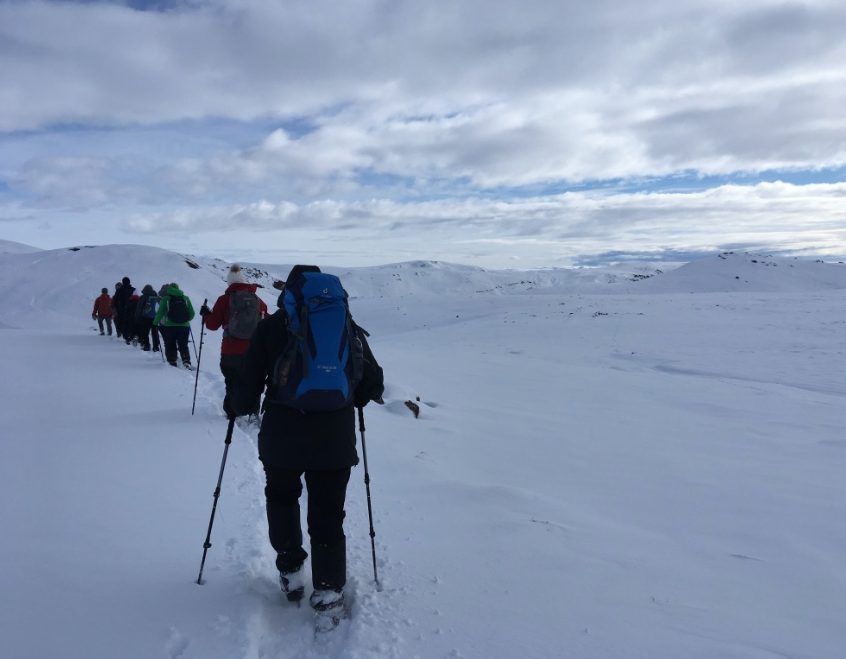
backpacking Iceland travel insurance Image © 43kcreative.com

Image © 43kcreative.com

Activities that will typically invalidate your travel insurance

Even if you’ve disclosed your itinerary in great detail with your travel insurance provider, you could still be at risk of invalidating your insurance – here are some of the most common things people do without realising the consequences:

  • Assuming abandoned sites allow access
  • Going off-route from guided tours or permitted areas
  • Partaking in undeclared adventure-style activities
  • Urban exploration in abandoned, restricted, or unsafe areas
  • Going on unofficial or unlicensed tours
  • Visiting politically sensitive regions

Get Adventure Travel Insurance Today – No Fuss Instant Quote!

Get an instant online travel insurance quote or call us on 01892833338 to get the cover you need in case the unexpected happens on your next adventure.

Posted in Travel Advice, Travel Insurance | Comments Off on Travelling off the beaten path? Avoid these common travel insurance mistakes!

Responsible Dark Tourism – What you need to know before you go

Education, authenticity, and a deep emotional experience – these are the key factors that draw independent intrepid travellers to lesser-known destinations for an alternative adventure holiday. We take a look at how you can make sure your trip is ethical, respectful, and safe; as well as showcase some key locations accessible from the UK.

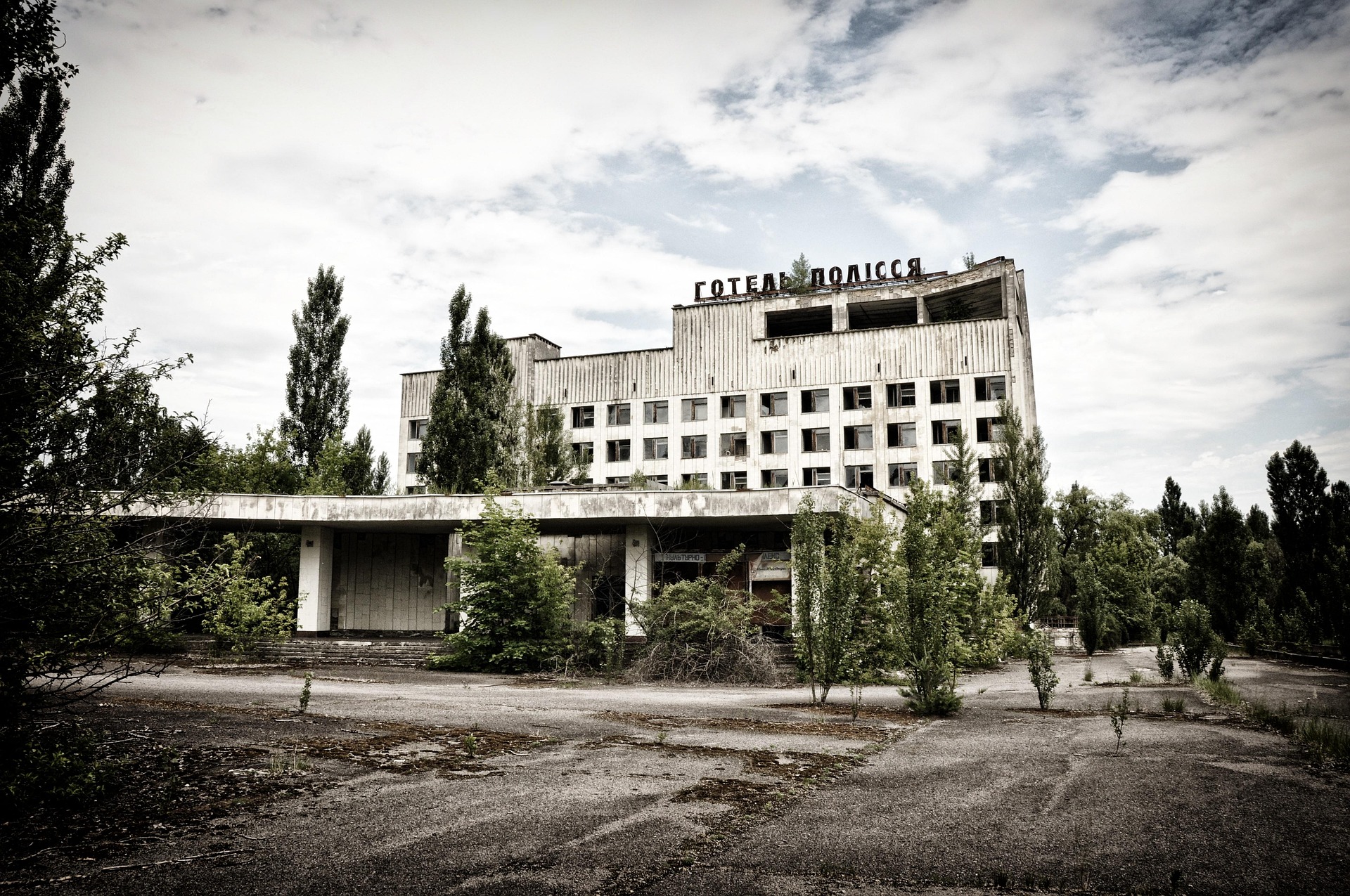
CC0 via pixabay

Dark tourism, the antithesis to a beach-front all inclusive

Dark tourism encompasses more than just going on a day-trip on holiday. Typically it is a way of experiencing another culture and location, well away from “holidaymakers” and the comfort of a package deal from the likes of Jet2.

It is for the curious, seasoned traveller who has a thirst for deeper knowledge of some of the more uncomfortable truths about the destinations we go to. Sites connected to historical conflicts, disasters, and tragedy rank highly, as do places currently associated with hardships and upheaval. It is not about voyeurism or sensationalism, it is about learning, understanding and experiencing history first-hand.

Is dark tourism safe?

It can be as safe as any other holiday, after all you need to be mindful of environmental hazards and activities in locations wherever you go. Dark tourism however is more likely to be associated with higher risks due to the extreme nature of some of these sites.

Here’s what to look out for:

Remote locations – there may be limited help or accessibility in case of an emergency e.g The Aral Sea Ship Graveyard in Kazakhstan/Uzbekistan

Environmental risks – we’re thinking exposure to radiation and other hazards at dark tourist sites e.g. Chernobyl Exclusion Zone, Ukraine

Structural hazards – exploring abandoned buildings and unstable ruins is a VERY high risk activity even if it’s not in a  remote location e.g. Beelitz-Heilstätten, an abandoned WWII-era military sanatorium near Berlin

Political sensitivity – border regions and areas of instability of ongoing conflict e.g. sites of attacks in Israel and Palestine

Check out the FCDO travel warnings for your destination ahead of when you go, and bear in mind that some areas and activities will not be covered by travel insurance as they are deemed unsafe to visit.

How to have an ethical trip

Having a high degree of cultural sensitivity, self-awareness, and decent level of “spidey-sense” goes a long way when ensuring a dark tourist trip remains ethical.

Here’s what to consider:

  • Go for the education and understanding
  • Sensationalism should never be part of your agenda
  • Respect photography rules
  • Learn the local etiquette
  • Respect local customs
  • Consider the impact you are having on the local community
  • Do not trespass, and stay well within permitted areas
  • Hire a local licensed tour guide
  • Do not remove artefacts
  • Leave no trace of your visit

These ethical tips don’t just relate to a clear conscience – they also impact the validity of an insurance claim. Illegal activity whether that is trespassing, or not adhering to local customs can invalidate a claim. Incidents on tours by unlicensed guides would also not be covered.

CC0 via pixabay

Dark tourism mistakes you don’t want to make

Your safety is paramount, especially in remote and exotic locations. By following the advice above, you can definitely minimise the risk associated with Dark Tourism, but to be on the safe side, consider these mistakes that you don’t want to make!

  • Assuming abandoned sites are accessible for sightseeing – they may be prohibited
  • Going off-route from guided tours
  • Underestimating rural emergency response times abroad
  • Not declaring adventure-style activities to your travel insurance provider
  • Booking unofficial or unlicensed tours
  • Not sharing your agenda with friends, family and accommodation providers
  • Failing to memorise the local emergency number
  • Letting your mobile battery drain
  • Not taking essential supplies on remote trips
  • Neglecting to research specific safety advice for your destination

Ready for an adventure? Dark Tourist Hotspots from the UK

Now you know the risks and what to consider for an ethical trip, you probably want to know where all the dark adventure seekers go. Here are some top destinations:

Abandoned & Urbex

Beelitz-Heilstätten WWII military sanatorium, Berlin – former military hospital with regular guided tours.

The Aral Sea Ship Graveyard in Kazakhstan/Uzbekistan – a remote and desolate desert location makes guided tours essential for exploring.

Nuclear & Disaster

Chernobyl Exclusion Zone, Ukraine – tours are temporarily closed due to the ongoing conflict. It is not recommended to travel there at this time, but the tour operator is hoping to resume tours once it is safe to do so.

Ground Zero, New York, USA – a free memorial and heritage site dedicated to those who lost their lives on 9/11.

War & Genocide

The Tuol Sleng Genocide Museum, Phnom Penh, Cambodia – interrogation and detention centre of the Khmer Rouge open daily for tours.

Auschwitz, Poland – memorial site open daily with numerous tour options and operators.

Paranormal & Occult

Catacombs, Paris, France – make sure you take an official tour to see the remains of over six million Parisians though. Entering the 1.5 km maze of tunnels 20 meters beneath the city unguided is not recommended.

The Witch House, Salem, Massachusetts, USA – there are guided tours of the last standing structure related to the witch trials. The nearby Peabody Museum is home to a huge collection of authentic 1692 Salem Witch Trials material.

Travel Insurance for Dark Tourism Adventures

Make sure you know what cover you have before you travel – get a tailored quote to fit your adventure visit us online or call us on 01892833338.

Posted in Destination Guide, Safety when travelling, Travel Advice | Comments Off on Responsible Dark Tourism – What you need to know before you go

Mexico – A Colourful Journey That Didn’t Quite Deliver

A multi-stop adventure through Mexico promised vibrant culture, rich history, and unforgettable food. From the buzzing capital to charming Oaxaca and the beachy shores of Tulum, this was a trip filled with contrasts, surprises, and a few underwhelming moments. While there were definite highlights, it’s fair to say this wasn’t quite the love story we expected.

Mexico City Image via Pixabay cc0

cc0


Why Mexico?

Mexico had been on the list for a while, mainly for its deep-rooted history, ancient civilisations, and diverse landscapes. From pyramids and colonial towns to jungle cenotes, it seemed like the perfect mix of culture and adventure.

But in reality, it felt a bit like the American version of Spain, a popular, easy getaway that’s heavily geared towards tourism. And coming all the way from the UK, it didn’t quite feel worth the long journey.

Where We Stayed In Mexico

This trip was split across three very different destinations:

Mexico City

We stayed at Hotel Milan in Roma Norte – a lively, central area that made getting around easy with Uber. The city itself felt safe overall, but the contrast was striking. One moment you’re in a polished neighbourhood, and just streets away, you’re faced with visible poverty, particularly near public hospital areas.

Oaxaca
We stayed at Diaza Rooms in the city centre. This was easily our favourite base: simple, well-located, and full of character. Everything felt walkable, local, and much more authentic.

Tulum
We stayed in an Airbnb in Tulum Centro. While comfortable, the area itself felt very tourist-focused, with a strong American influence.

Luche Libre masks Mexico © Simran Kabotra

© Simran Kabotra

Things To Do In Mexico

Mexico offers a huge variety of experiences, though some stood out far more than others:

Lucha Libre – A Must-Do in Mexico City
This was easily one of the best experiences of the trip. The atmosphere inside Arena México was electric – dramatic wrestling, theatrical performances, and a crowd that fully commits to the chaos. Buying a mask and getting involved made it even better.

Anthropology Museum (Plan Ahead!)
This museum is huge! Without a guide or a clear plan, it becomes exhausting very quickly. There’s a lot to learn, but you need to be selective, otherwise it can feel overwhelming rather than enjoyable.

Oaxaca Square on NYE
Spending New Year’s Eve in the Zócalo was a highlight. The square is filled with locals celebrating, waving sparklers, and enjoying live music. It felt intimate and festive,  although the loud firework-style explosions might not suit everyone.

Árbol del Tule & Hierve el Agua
The Árbol del Tule is an incredible natural landmark – enormous and ancient. But Hierve el Agua was the real standout. The rock formations look like frozen waterfalls, and the natural pools overlooking the valley make it a surreal place to swim and relax.

Tulum cenotes
Tulum itself is pleasant but very touristy, feeling heavily tailored to American visitors and lacking some of the authenticity found elsewhere. That said, the cenotes completely made this part of the trip.

Aktun Bej and Taak Bi Ha were our favourites. Both felt like hidden gems, tucked away from the crowds. Aktun Bej, set inside a cave, was peaceful and atmospheric, while Taak Bi Ha offered that same underground magic with fewer people and crystal-clear water. Swimming in these quiet, otherworldly spaces was easily one of the most memorable parts of the trip.

Taak Bi Ha Cenote Mexico © Simran Kabotra

© Simran Kabotra

What We Ate In Mexico

Let’s talk about the food because this is where expectations didn’t quite match reality.

Mexico is known for its cuisine, but we found it surprisingly repetitive. Many dishes relied heavily on maize-based flavours, which felt quite earthy and heavy. After a few days, it became difficult to enjoy meals as much as we’d hoped.

Oaxaca did offer a slightly better experience, especially in local markets like Mercado 20 de Noviembre, where the atmosphere added to the enjoyment. But overall, the food wasn’t a highlight for us.

Mexican food image

What To Love (And Not To Love) About Mexico

What to love:

  • The history is fascinating. From ancient civilisations to cultural traditions, there’s a strong sense of heritage throughout the country.
  • The cenotes are truly unique and a definite highlight,unlike anything you’ll find in Europe.
  • Oaxaca stands out as a destination full of charm, authenticity, and culture.

What not to love:

  • The food didn’t live up to expectations for us – flavours felt repetitive over time.
  • Mexico City was underwhelming overall, with only a few standout experiences.
  • Tulum and Cancun felt overly touristy and catered heavily to Americans.
  • And most importantly – the distance. From the UK, it’s a long trip for a destination that didn’t fully deliver.

Would I Go To Mexico Again?

Probably not from the UK.

While there were some amazing moments – Oaxaca, the cenotes, and Lucha Libre – the overall experience didn’t quite justify the long-haul journey.

However, if you’re already travelling around the Americas, it’s definitely worth considering. There are unique experiences here that you won’t find elsewhere. For us, though, it’s a one-time visit – memorable in parts, but not somewhere we’d rush back to.


Travel Writer Bio

Simran Kabotra is a writer, avid reader & crocheter who loves travel. She has travelled across Southeast Asia and is currently searching high and low for new adventures, beautiful landscapes and rich history.

Simran Kabotra swimming in Taak Bi Ha Cenote

Simran swimming in Taak Bi Ha Cenote


Worldwide Travel Insurance for Total Peace of Mind

Get an online travel insurance quote now or call us on 01892833338 to make sure you’ve got the cover you need.

Posted in Destination Guide, The places we've been | Comments Off on Mexico – A Colourful Journey That Didn’t Quite Deliver

Biometrics and Travelling to Europe – Could It Affect Your Holiday Plans?

With new rules in place, travel to and from the EU for British holidaymakers is set to change – and it could cause more disruption than you’ve bargained for. We take a look at how the The EU Entry/Exit System (EES) could impact your travel plans, and whether you can do anything ahead of time to minimise disruption to your upcoming holiday.

GHIC travel insurance image

Image by Dusan_Cvetanovic CC0

What is the EU Entry/Exit System?

It is a new form of border security that uses biometric data (photo and fingerprints) to keep track of non-EU nationals visiting any EU country in the Schengen area. It has been designed to replace having a passport stamped on entry and exit, but it has added levels of security to ensure that anyone entering provides information about where they will stay and that they can afford to be in the country.

Digitising this process also means that border forces can keep tabs on people going over the 90 day rolling limit. You can read about it in great detail on the .gov website.

How will the EU Entry/Exit System affect me?

The new system has been phased in since October last year, with the official “switch on date” being 10th April this year.

Just a few weeks on and it is clear that the phasing in did not go as planned, with many border controls still not having sufficient equipment to process travellers yet to register their biometrics. Ones that are already established have also faced technical difficulties with the software adding to the delays.

This means that more people than expected need to still register as they enter the EU, causing significant delays at border controls, and instances where these delays have caused people to miss their flights. Even with additional time planned in for the delays, travellers are still experiencing huge queues both to get into the EU and to exit again.

Once I’ve completed biometric registration is it guaranteed that the EES won’t cause me further delays?

Sadly not. Travellers have reported that border control at many entry and exit points does not have a separate queue for those who have already registered. So while you might well save a few minutes because you don’t need to provide the information, you could very likely be stuck behind many passengers who are yet to register.

How to reduce the risk of delays ahead of the busy holiday season.

The European Commission has acknowledged that the new system is having a negative impact on travel, and to help ease delays at certain borders it has said it will temporarily suspend checks at extremely busy times over the upcoming holidays. But there are some things that you can do that may help – or not – depending on whether various border controls sort a separate queuing system out for those who have already registered.

1: See if you are exempt from EES requirements. There are some people who will not need to register their biometrics, knowing that you don’t have to could ease holiday anxieties.

2: See if your departure point completes the biometric registration before you arrive in the EU – doing it this side could mean you avoid delays on entry to the EU.

3: Download the EES app and register as much as you can in the run-up to your holiday.

4: Consider taking a day trip via Eurostar, Eurotunnel, or by Ferry just to get the biometrics done. The process is slightly different for these types of entry in the EU, there are special kiosks where passengers can add their biometric information before travel, and in some cases the requirement is deemed discretionary.

Good to know before you go:

  • Children under 12 only need to register their photo, no fingerprints are required
  • If you are on a cruise that stops at EU ports but starts and finishes outside the Schengen area, you will not need to use the EES.
  • Your reasons for travel – such as for study or work could mean that you do not need to use EES – see the full list of exemptions.
  • Your information is held for 3 years, so once it is done, that’s it for a while!

Anything else you should know about EES?

There is a wealth of information out there – check out the official EU EES website, or go straight to their FAQs!

Get EU Travel Insurance Today – No Fuss Instant Quote!

Get an instant online quote or call us on 01892833338 to get the cover you need in case the unexpected happens on your next trip to the EU!

Posted in Travel Advice, Travel Tips | Comments Off on Biometrics and Travelling to Europe – Could It Affect Your Holiday Plans?

Riu Palace Hotel Boa Vista: Sun, Sea, Sand… and Shigella?

Of late the tabloid press has been awash with horror stories of a shigella outbreak tearing its way though some of the Riu hotels in Cape Verde, with a firm focus on the islands of Sal and Boa Vista. With a family holiday on the horizon, we were of course concerned – this is what we experienced when we got there… plus some advice on how to avoid getting ill while you are there!

beach bar boa vista cape verde image

Beach Bar at Riu Palace © Kerry McCarthy

Staying at Riu Palace 

I must start by saying that from the moment we arrived, I felt all of my worries about one of our party getting ill melt away. Riu Palace Boa Vista’s 5-star status is well justified. And spoiler alert – none of our party got ill. 

We did go in well informed and well prepared though, whether it would have been a different story without our fly fans for the dining table and our hospital grade sanitiser, who knows? I do think the hotel did everything in their control to minimise the risks for guests though. 

There is a whole section below dedicated to the Shigella risk, but first I want to share the high points of our choice of holiday!

Why we chose this holiday destination

We wanted a hot sunny break where we could focus on being together as a family and relax at the same time. Cape Verde is a pretty predictable sunny 25 degrees (plus) all year round and Boa Vista in particular is known as a place to go if you just want to relax to the max.

We were 6 adults and 1 child in total, making the most of the all-inclusive vibe with a variety of activities to choose from.

pool at riu palace boa vista cape verde image

One of three pools to choose form at Riu Palace © Kerry McCarthy

Facilities and things to do at Riu Palace

Boa Vista translates as Beautiful View, and if all you decide to do on your holiday is sit on the beach under a palm tree and stare out to sea you’d be a very happy bunny indeed! 

As it is, Riu Palace is a large complex with plenty going on, and you could certainly be here for a couple of weeks and not get bored!

  • Swimming pools – 3 in total, two with swim-up bars, plenty of space to splash, loads of loungers with parasols, and wonderful views of the beach from them all.
  • Water park – this was actually in the next hotel along, the adults only option, Riu Karamboa. The two hotels are connected down by the beach and access is easy and the slides were a LOT of fun for kids and adults alike.
  • Water sports – the hotel offers snorkels and kayaks to guests for free, but the time of year might dictate what you can do. In February the sea was really quite rough.
  • Beach games – volley ball and other beach-based games were available to guests
volleyball boa vistacape verde image

Volleyball on the beach © Kerry McCarthy

  • Activity classes for adults – yoga, zumba, HIIT and other gym class staples were held daily down by the beach.
  • Activities for kids – one pool was very activity focussed for the kids, and there were also kids club facilities.
  • Spa – a serene space for a massage and numerous beauty treatments available. I had a massage which was DELIGHTFUL!
  • Gym – really quite well equipped with bikes, free-weights, benches, and a couple of weights machines.
sand dunes boa vista cape verde image

Sand Dunes in Boa Vista © Kerry McCarthy

  • Entertainment – evening shows, cabaret, and access to “nightclub” experiences at the hotel next door.  
  • Retail therapy – the shop has a stunning selection of locally crafted trinkets, ornaments and jewellery, plus holiday clothes and gifts to take home.
  • Excursions – explore the sand dunes, go on a boat trip, visit local towns, hire quad bikes… plenty on offer daily if you book early!
water park boa vista cape verde image

Water Park with a view at neighbouring Karramboa Hotel © Kerry McCarthy

Food and Drink at Riu Palace Boa Vista

The quality of the cocktails seemed to vary by staff member, but there was certainly a wide selection of tipples to choose from and plenty of well-known alcohol brands to choose from!

The wine in our humble opinions was nothing to write home about and we wouldn’t ordinarily class ourselves as having a particularly well-educated palate! Avoid if you know your vino!

The food in the buffet was actually incredible. High quality, tasty, and a huge range of options to choose from. 

The only restaurant we ate in (included in the all-inclusive package) was Mitsuki, an oriental-themed eatery that sadly served up plate after plate of disappointment and had an even more disappointingly limited choice when it came to ordering.

Honestly, the buffet experience was so much better, and the quality of service was also better at the buffet that we cancelled our other restaurant bookings based on this experience.

Buffet Delights at Riu Palace Boa Vista Cape Verde image

Buffet Delights at Riu Palace © Kerry McCarthy

Hotel hygiene

It was 5-star standard throughout – in the lobby, spa, restrooms, hotel rooms and pools were kept meticulously clean and I didn’t once spot anything that had been overlooked in terms of cleanliness.

The restaurants, buffets, and bars were also top notch, the food had a high turnover and for the most part was well covered and there were automatic doors to keep flies out from the service area as guests went in and out. There were plenty of hand sanitiser dispensers throughout so even if you didn’t pack your own, the hotel was giving you every opportunity to keep hands clean!

What is shigella and why has it been so hot in the press?

Shigella is a bacteria that can cause a particularly nasty infection (shigellosis) causing severe diarrhoea, sickness, fever and dehydration. It is very easily spread, it doesn’t take much to cause an infection, and in some cases people who have been infected have died as it comes with a whole host of potential complications.

It is these cases, along with particularly high rates of infection at certain hotels and locations, that have been the centre of media attention. Sal and Boa Vista in Cape Verde are two such locations, and the Riu hotels that host holidaymakers on behalf of Tui and First Choice are the centre of attention. You can  see what the .gov website has to say about it here.

How to avoid shigellosis

Pretty simple – good hygiene. But it takes two to tango. 

Firstly the hotel needs to be notching 5-star cleanliness EVERYWHERE, and the guests also need to make sure they are doing their bit too by thoroughly washing hands after using the loo. Yes, it is a fecal-bourne disease, the sheer thought of catching it is enough to give anyone the chills.

Aside from clean facilities, the hotel needs to make sure that flies are banished, especially wherever a buffet is involved. A few flies on your food that have been in contact with infected faeces is all it might take to catch this nasty bug. But there is only so much a hotel can do. 

To minimise risk the following is recommended:

  • Wash hands after touching shared surfaces
  • Use hospital grade hand sanitiser where handwashing isn’t practical or possible  – such as using items at a buffet
  • Stick to freshly cooked hot food – flies are much less likely to land on this
  • Choose foods that have just been laid out, or are under a cloche
  • Take a fly fan and use it whenever you are dining in the open

Other measures:

  • Pack some electrolyte/rehydration medication in case you become unwell as the risk to health from dehydration is severe.
  • Get decent travel insurance as this could easily wipe you out for your whole holiday, and should you have added complications, getting the medical help you might need isn’t as easy as it is in the UK.
Holiday first aid kit image

Holiday first aid kit

What we loved (and didn’t love) about staying at Riu Palace Boa Vista

It was beautifully laid out, the staff were friendly, the facilities did not disappoint, the buffet food was great and honestly, this is such a fabulous location to “get away from it all”.

The views are just stunning and you can really feel the difference a 5-star experience makes compared to other Riu hotels in the area.

As mentioned the restaurant was really not worth going to, and the reception staff on arrival were not entirely welcoming, but neither of these things were a dealbreaker.

Rui Palace Boa Vista image

Rui Palace Boa Vista © Kerry McCarthy

Would we stay here again?

In a heartbeat! In fact due to issues with Tui and disrupted travel, (more on that in a separate article!) we had most of our holiday costs refunded and plan to spend it on a return trip as soon as we are able!


Travel Writer Bio

Kerry McCarthy is a Writer and Artist who loves to travel. You can find out more about her adventures over on instagram at @kerrymccarthystars

Family Photo at Sunset in Boa Vista © Kerry McCarthy

Worldwide Travel Insurance for Total Peace of Mind 

Get an online travel insurance quote now or call us on 01892833338 to make sure you’ve got the cover you need.


Posted in Safety when travelling, The places we've been, Travel Advice | Comments Off on Riu Palace Hotel Boa Vista: Sun, Sea, Sand… and Shigella?